Interviews

Interview With Best Ncube: Winner of the Inaugural Iwisa No 1 Fills Bold Designer Competition

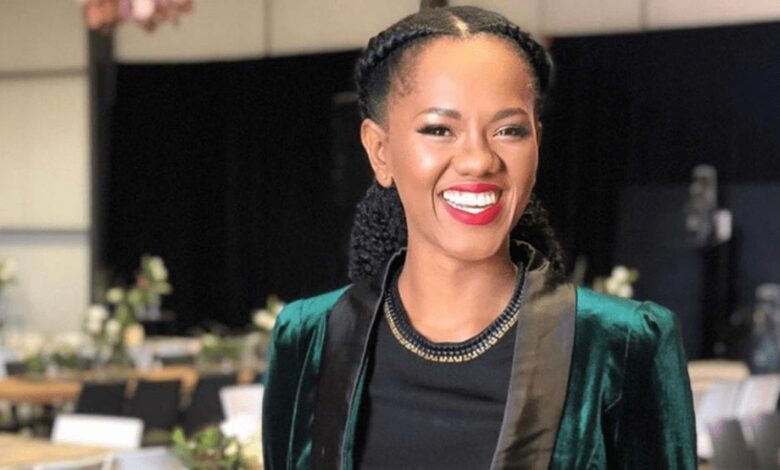
Interview With Best Ncube: Winner of the Inaugural Iwisa No 1 Fills Bold Designer Competition. Best Ncube, a 29-year-old designer from Pretoria, has won the inaugural Iwisa No 1 Fills Bold Designer Search competition. Entrants were challenged to create a six-piece streetwear collection that embodied the brand’s 68-year legacy while pushing creative boundaries with unapologetic boldness. We recently had a conversation with Ncube to explore his creative journey and the deeper meaning behind his winning collection.

1. Congratulations on your win! How does it feel to be the very first winner of the Iwisa No.1 Fills Bold Designer Search?

Winning the competition has been nothing short of amazing, from entry, to getting in the top 20, top 5 and ultimately the winner amongst great designers around the country.

2. You mentioned that your township upbringing in Pretoria shaped your design approach. Can you share one memory from your childhood that most directly inspired your winning collection?

I would go around skateboarding or playing football and would see graffiti around where i grew up in Mabopane, everyone there knows the tag “Ace” a graffiti artist in the township that and seeing street artists made me fall in love with art and hip-hop. My neighbour and his brother were also dope artists of which I learned a lot from… We’d also draw and sell our drawings in the township, dragon ball Z drawings was an inspiration. Him and I would also draw “Ed Hardy” esque drawings on white school shirts which got us into trouble… but that grew into me becoming a graphic designer and artist.

3. Your designs incorporate hands, mielies, shields and golden yellows. What symbolism do these elements hold for you personally and for the community you represent?

The open hands of the design highlight the supporting nature that Iwisa has provided within our household, it represents the idea of how a meal can bring a community, families and loved ones together to share memories and connect through food and conversation.

4. You entered the competition just two days before the deadline. What motivated you to take the leap, and what was the design process like under that pressure?

It was a great opportunity to get into and if I was lucky to win I would attach my name to a legacy brand and challenge myself as a designer to create something bold, that I would wear and make sure it’s can be worn by everyone.

5. Iwisa No.1 has been part of South African households for almost 70 years. In your view, how does fashion and streetwear serve as a continuation of that legacy?

It helps for legacy brands to make an honest effort align themselves with young designers, creative and art directors who can bridge the brand with the culture of streetwear and hip hop.

6. As someone who has just had their career given a major boost, what opportunities do you hope this win will open up for you in the local and global fashion space?

I have hopes of working with other brands not just in the fashion space but be a design touch point that merges the identity with my own design style and be able to touch all types of people globally.

7. The competition encouraged designers to merge cultural heritage with modern streetwear swagger. How did you balance tradition with contemporary style in your collection?

Balancing the two was primarily tackling the brands identity and trying to align the design within the perimeters of the design brief and challenge took some sketches and drafting but the design I thought was worth putting in the effort ended up winning.

8. What advice would you give to other young designers who want to use their cultural background as a creative asset in their work?

I would say it’s important to work on finding you voice and your style, it’s hard to have an original idea/style that hasn’t been done before, parallel thinking can be discouraging at times but if you are
genuinely putting in the effort on finding your voice and style people will resonate and interact with your work.

9. How do you see collaborations between heritage brands like Iwisa No.1 and young creatives helping to shape South Africa’s creative industries going forward?

Lately there has been a rise in design collaborations and designers being the in mainstream and curators of culture, fashion and the hip hop scene from Karabo Poppy, Yay-Abe, David Tshabalala, Samari Farai
and many more. It creates brand relevance by attaching themselves to creatives within the space of arts and culture, always keeping these brands looking fresh and different from their counterparts. It opens
up doors and invites other designers put their visual fingerprint on these legacy brands.

10. Now that your designs will be produced and featured in a fashion photoshoot, what message do you hope people will take away when they see your collection brought to life?

First of all I would hope people like the design itself but when people set their eyes on the collection I would hope they can see that each item on the collection works on its own as a centre piece of a look, it doesn’t have to be a head to toe outfit.

Show More

Related Articles

Back to top button