
How to start a Takeaway food stall in South Africa
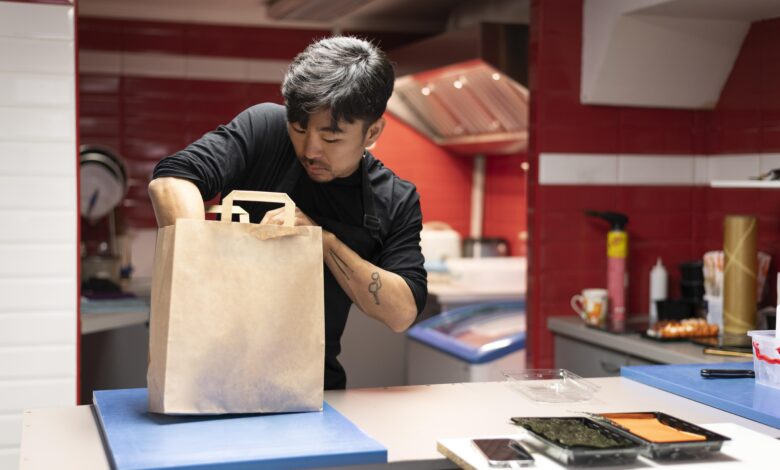
The South African food industry has witnessed a significant rise in the popularity of takeaway food stalls in recent years. These stalls provide a convenient and affordable dining option for people on the go. If you have a passion for food and an entrepreneurial spirit, starting a takeaway food stall in South Africa can be a rewarding venture. This article will guide you through the key steps to launch your own successful takeaway food stall.
- Research and Identify Your Niche: Before diving into the world of takeaway food, it’s crucial to research and identify your target market and niche. Consider the location, demographics, and preferences of potential customers. Determine the type of cuisine you want to specialize in, whether it’s traditional South African dishes, international flavors, or fusion cuisine. Understanding your niche will help you tailor your menu and marketing efforts accordingly.
- Develop a Business Plan: Creating a comprehensive business plan is essential for any successful venture. Outline your goals, objectives, target market, competition analysis, financial projections, and marketing strategies. A well-structured business plan will serve as a roadmap for your food stall and help you secure funding, if needed.
- Legal Requirements and Permits: Ensure that you comply with all legal requirements and obtain the necessary permits to operate a food stall. Contact your local municipality or health department to obtain food safety and hygiene certificates. Familiarize yourself with health and safety regulations, including proper food handling, storage, and waste management practices. Adhering to these regulations will not only ensure the health of your customers but also build trust in your business.
- Location and Setup: Choosing the right location is crucial for the success of your takeaway food stall. Look for high foot traffic areas such as shopping centers, business districts, or popular tourist spots. However, keep in mind that some locations may have zoning restrictions, so research local bylaws before finalizing a spot. Invest in a clean, attractive, and well-equipped setup that reflects your brand. Consider the layout, signage, seating arrangements (if any), and other essentials like kitchen equipment and storage facilities.
- Menu Development: Craft a menu that appeals to your target audience and showcases your unique offerings. Keep it simple, focusing on a few signature dishes that you can execute well. Consider dietary preferences and food trends while selecting your menu items. Offering vegetarian, vegan, and gluten-free options can widen your customer base. Remember to maintain consistency in taste, quality, and portion sizes.
- Sourcing Ingredients and Suppliers: Identify reliable and cost-effective suppliers for your ingredients. Emphasize sourcing fresh and locally produced ingredients whenever possible. This not only supports local farmers but also ensures the quality and taste of your dishes. Build relationships with suppliers to negotiate better deals and maintain a steady supply chain.
- Marketing and Promotion: Develop a marketing strategy to create awareness and attract customers to your food stall. Leverage social media platforms like Facebook, Instagram, and Twitter to showcase your menu, engage with customers, and run targeted advertising campaigns. Consider partnering with food influencers, offering special promotions, or participating in local food events. A strong online presence and positive customer reviews can go a long way in boosting your reputation.
- Customer Experience and Service: Provide exceptional customer service to differentiate yourself from competitors. Train your staff to be friendly, efficient, and knowledgeable about your menu. Focus on speed and accuracy to ensure quick service, especially during peak hours. Pay attention to customer feedback and continuously strive to improve your offerings.
- Monitor Finances and Adapt: Maintain a close eye on your financials, including expenses, revenue, and profit margins. Regularly review your business plan and adapt accordingly to changing market trends and customer preferences. Stay updated with new food trends and experiment with limited-time specials or seasonal dishes to keep your menu fresh and exciting.
Starting a takeaway food stall in South Africa can be an exciting and profitable venture. With careful planning, a unique menu, excellent service, and effective marketing, you can establish a successful and popular food stall. Remember to prioritize quality, hygiene, and customer satisfaction throughout your journey. Embrace the opportunity to showcase your culinary skills and contribute to South Africa’s vibrant food scene.