Inside Merwe Mode: How Cape Town Craftsmanship Shape Enduring Fashion
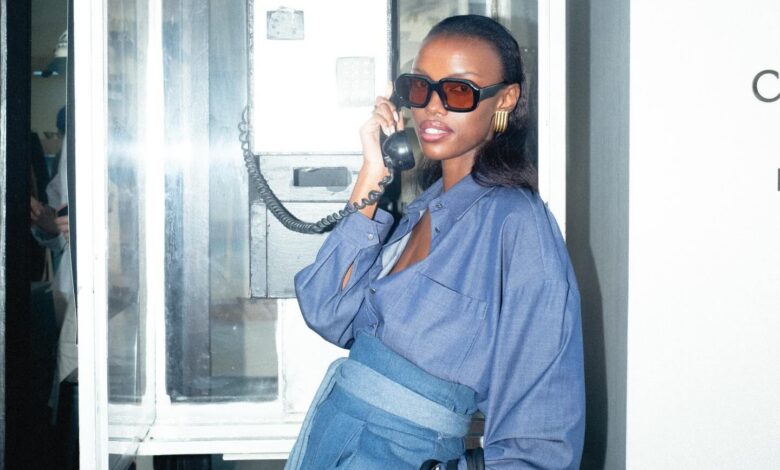
Inside Merwe Mode: How Cape Town Craftsmanship Shape Enduring Fashion. Fashion can move quickly, but Merwe Mode has built its identity around taking its time. The independent fashion house, based in Cape Town, South Africa, traces its foundations to 2014, although the vision and philosophy behind the brand have been developed and refined over the past three years. What exists today is the result of experimentation, refinement and a deliberate commitment to making clothing with purpose, longevity and character.
At the centre of that approach are creative partners Deeva and Christiaan, who have built Merwe Mode at the intersection of clothing, craftsmanship and visual storytelling.
Their story offers a different perspective on building a fashion brand. Instead of treating speed and scale as the defining measures of progress, Merwe Mode places its attention on how things are made, why they are made and how they might become more meaningful with time.
Building a brand from complementary strengths
The creative direction of Merwe Mode is shared by Deeva and Christiaan, whose backgrounds bring different influences to the business.
Deeva previously completed an internship with Tom Ford in London, where she was exposed to discipline, craftsmanship and attention to detail. Those experiences continue to influence how she approaches design.
Christiaan, meanwhile, is a self-taught entrepreneur and the owner of Cape Film Supply. His career grew from an obsession with film and clothing, eventually bringing those interests together professionally.
Those different experiences have helped shape Merwe Mode’s world.
For entrepreneurs, there is a practical lesson in that combination. A strong partnership does not require identical backgrounds. Different areas of expertise can strengthen a business when they contribute to a shared creative and commercial direction.
Making the entire process part of the proposition
Merwe Mode’s commitment to craftsmanship is not limited to the finished garment.
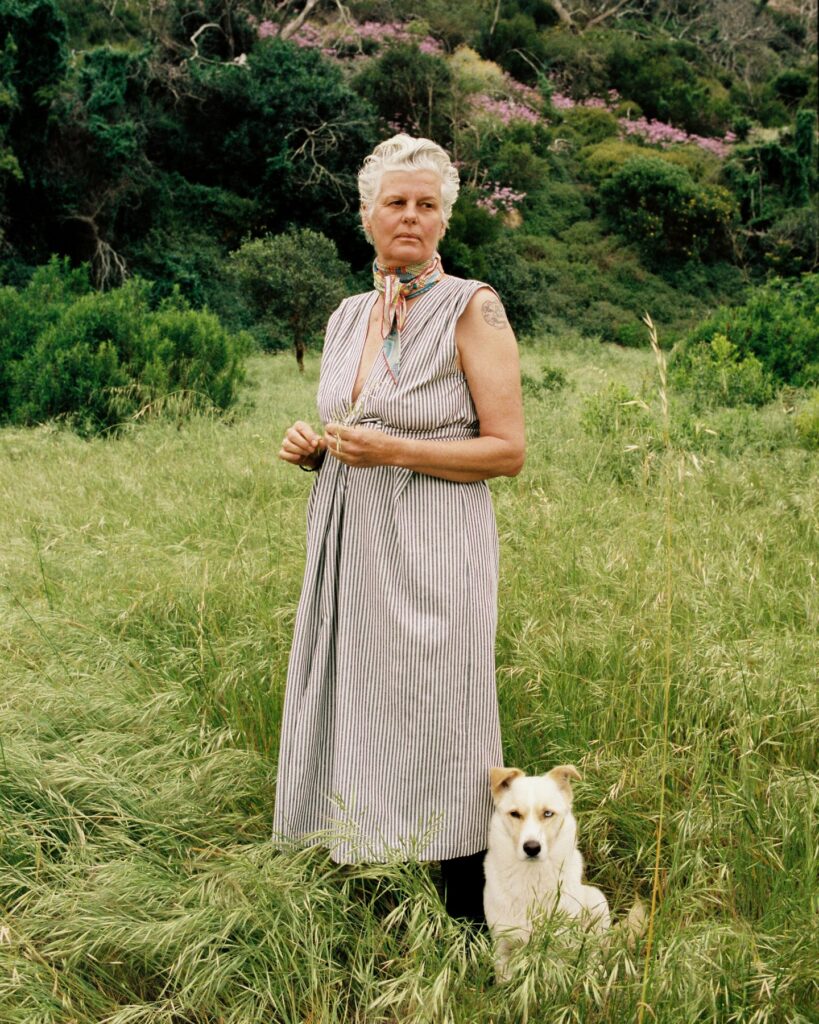
Every piece is designed, patterned, cut, sampled and produced in-house by the brand’s own team in Cape Town. Keeping the process close allows the company to maintain a direct connection with the craft, the makers and the integrity of each garment.
That approach creates an important distinction in an industry where production can be separated from design by considerable distance.
For Merwe Mode, the making process is part of the brand itself.
This provides an actionable lesson for entrepreneurs: the operational side of a business can become a competitive strength when it directly supports what the brand promises. If craftsmanship is central to the proposition, controlling more of the process can help keep that principle connected to the finished product.
Pattern paper becomes the sketchbook
Perhaps the most distinctive aspect of Merwe Mode’s creative process is its rejection of conventional digital design methods.
The brand’s process is analogue. No digital mediums are involved in how the clothes are made.
Deeva does not sketch her designs. Instead, she works as a master pattern engineer, using pattern paper as the canvas and the garment itself as the sketch.
The process can involve making a garment repeatedly before accepting its final form. Make it, wear it, change it, repeat.
That method turns design into an iterative physical process. Rather than attempting to arrive at a finished idea immediately, the garment develops through making, wearing and adjustment.
There is a valuable business lesson here. Innovation does not always require new technology. Sometimes innovation comes from developing a distinctive process that allows a company to solve a problem in its own way.
Using visual storytelling to strengthen the brand
Merwe Mode’s creative world extends beyond clothing.
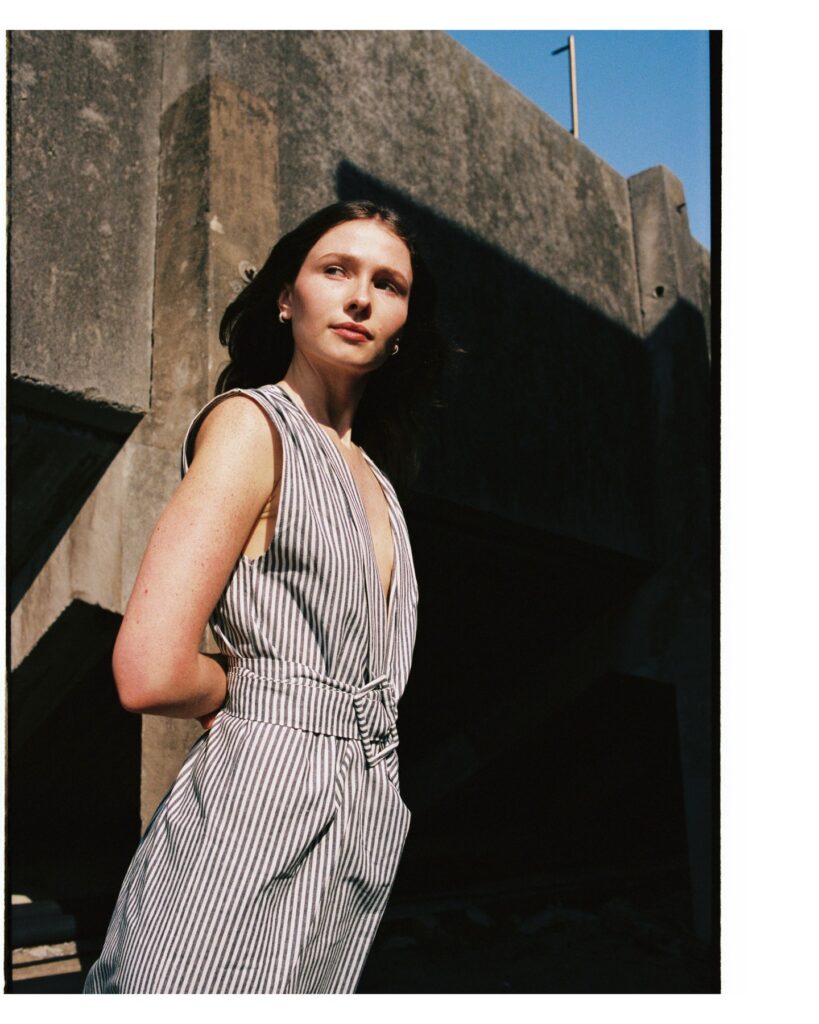
The brand is deeply influenced by a shared love of visual storytelling through analogue mediums, including film photography, motion picture film and traditional darkroom processes. These interests inform its campaigns and visual language, while also influencing the way the clothing itself is approached.
The themes of memory, texture, permanence and human connection provide a natural connection to the brand’s philosophy.
For entrepreneurs, this demonstrates the importance of building a coherent world around a product. Marketing does not have to be separated from the product’s underlying philosophy. When visual identity, storytelling and product development draw from the same influences, they can reinforce one another.
Designing for utility, individuality and longevity
Merwe Mode draws inspiration from workwear traditions, contemporary tailoring and sculptural forms.
The goal is to balance utility with elegance, structure with fluidity, and individuality with wearability. The resulting clothing is intended to move through everyday life while remaining distinctive and enduring.
That balance is important because the brand’s philosophy is not simply about creating unusual clothing. It is about creating pieces that can become part of someone’s life.
The founders believe the things people surround themselves with should become more meaningful over time. Clothing, in their view, should not be disposable. It should be lived in, repaired, remembered and worn for years.
This creates a clear foundation for the brand’s approach to product development. For entrepreneurs, the lesson is to identify what should remain constant even as a business evolves. Merwe Mode’s emphasis on longevity gives its design decisions a clear reference point.
Taking the time to make something properly
Merwe Mode’s journey is ultimately a story about refinement.
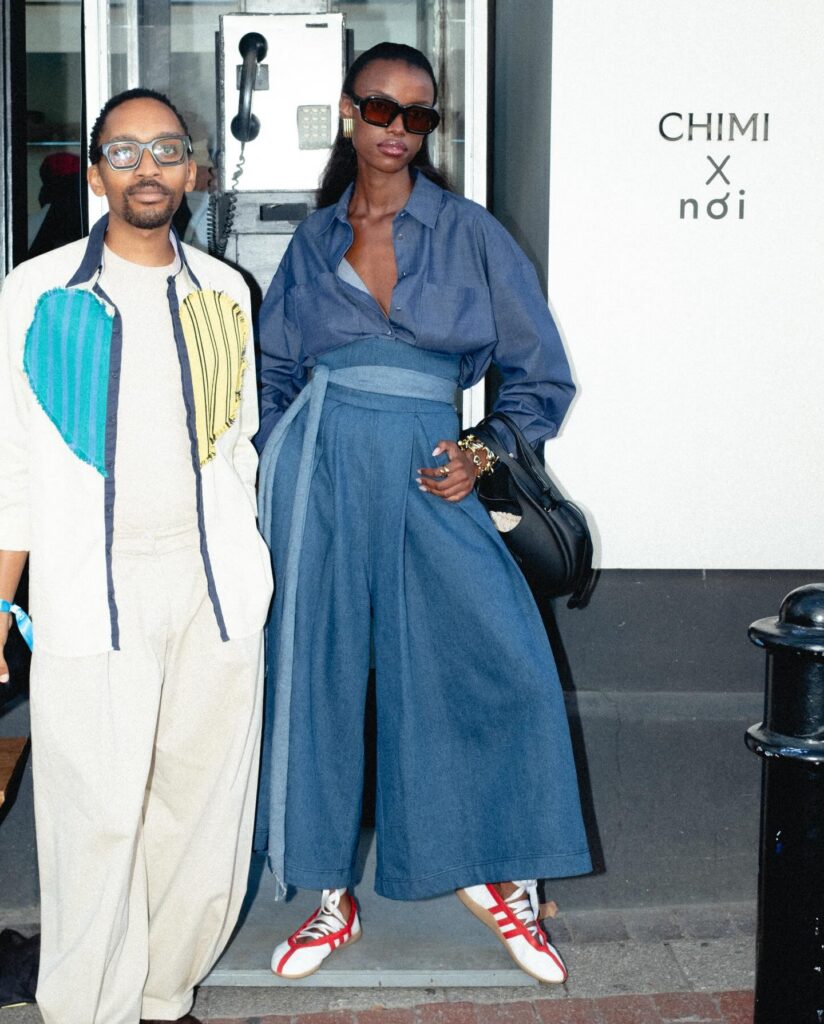
Its foundations may have been established in 2014, but the brand describes its current identity as the result of years of development, experimentation and shared commitment. Its in-house production, analogue process and visual storytelling all support the same underlying idea: clothing should be made properly and given the opportunity to become meaningful over time.
For aspiring fashion entrepreneurs, that offers a powerful alternative to disposable thinking.
A brand can differentiate itself not only through what it sells, but through the care embedded in how it makes, presents and develops its products.
Merwe Mode’s strength lies in that consistency. From pattern engineering and Cape Town production to analogue photography and the philosophy of repairing and wearing clothing for years, the different parts of the brand tell the same story.