AngloGold Ashanti Plans $900m Expansion to Add 400,000 Ounces to Annual Gold Output
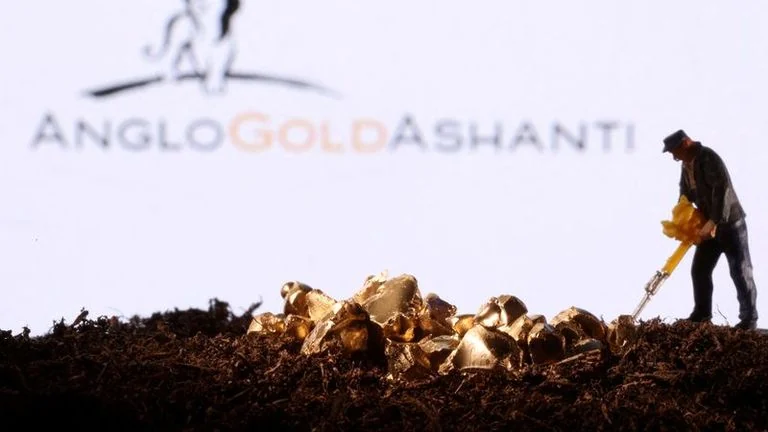
AngloGold Ashanti Plans $900m Expansion to Add 400,000 Ounces to Annual Gold Output. AngloGold Ashanti plans to invest approximately $900 million in expansion projects aimed at increasing its annual gold production by at least 400,000 ounces by the end of the decade, with much of the additional output expected to come from existing mining operations.
The investment programme will focus on expansions at its Geita mine in Tanzania, Siguiri in Guinea and Cuiabá in Brazil, alongside the continued production ramp-up at Obuasi in Ghana.
The announcement comes after the gold producer reported a 12% increase in third-quarter earnings before interest, tax, depreciation and amortisation (EBITDA) to $1.57 billion, supported by higher gold prices.
AngloGold produced 2.164 million ounces of gold in the nine months to 30 September and has set a full-year production target of between 2.8 million and 3.17 million ounces for 2026.
Among the planned projects, the Geita expansion represents the largest investment, with estimated costs of between $480 million and $580 million. The project aims to increase annual production to 600,000 ounces by 2030, compared with 492,000 ounces in 2025.
At Cuiabá, AngloGold expects to spend between $200 million and $250 million to add 75,000 ounces to the mine’s production, which stood at 194,000 ounces in 2025.
The company has also allocated approximately $70 million to expand its Siguiri operation, targeting an additional 100,000 ounces. The mine produced 289,000 ounces last year.
AngloGold’s expansion strategy is centred on using existing infrastructure to increase production and maximise returns from its operating assets.
Based on a long-term gold price assumption of $3,000 per ounce, the company expects its growth projects to generate a real internal rate of return exceeding 35%.
The planned investment forms part of AngloGold Ashanti’s broader strategy to increase production capacity through the end of the decade.