How Afoody Is Transforming South Africa’s Food Economy
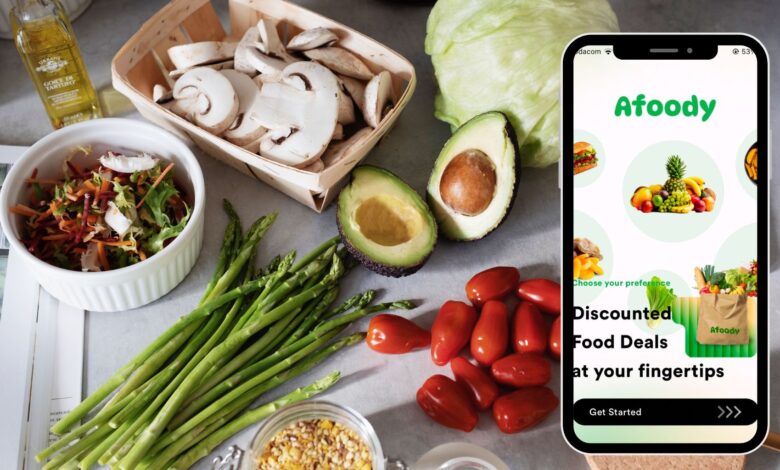
How Afoody Is Transforming South Africa’s Food Economy. Yuan Dowley, an engineer from Durban, and his co-founder Tyron Govender, launched Afoody: a mobile app that connects consumers with discounted surplus food from local stores, bakeries, and restaurants. Their mission? To reduce food waste and make quality food more affordable.
The Spark: A Personal Encounter with Waste
The idea for Afoody was born from firsthand experiences. While working at a buffet restaurant during their student years, Dowley and Govender were dismayed by the amount of edible food discarded nightly. Simultaneously, they observed people scavenging for food in trash bins. This stark contrast between waste and need ignited their commitment to find a solution.

Building the Platform: A Tech-Driven Solution
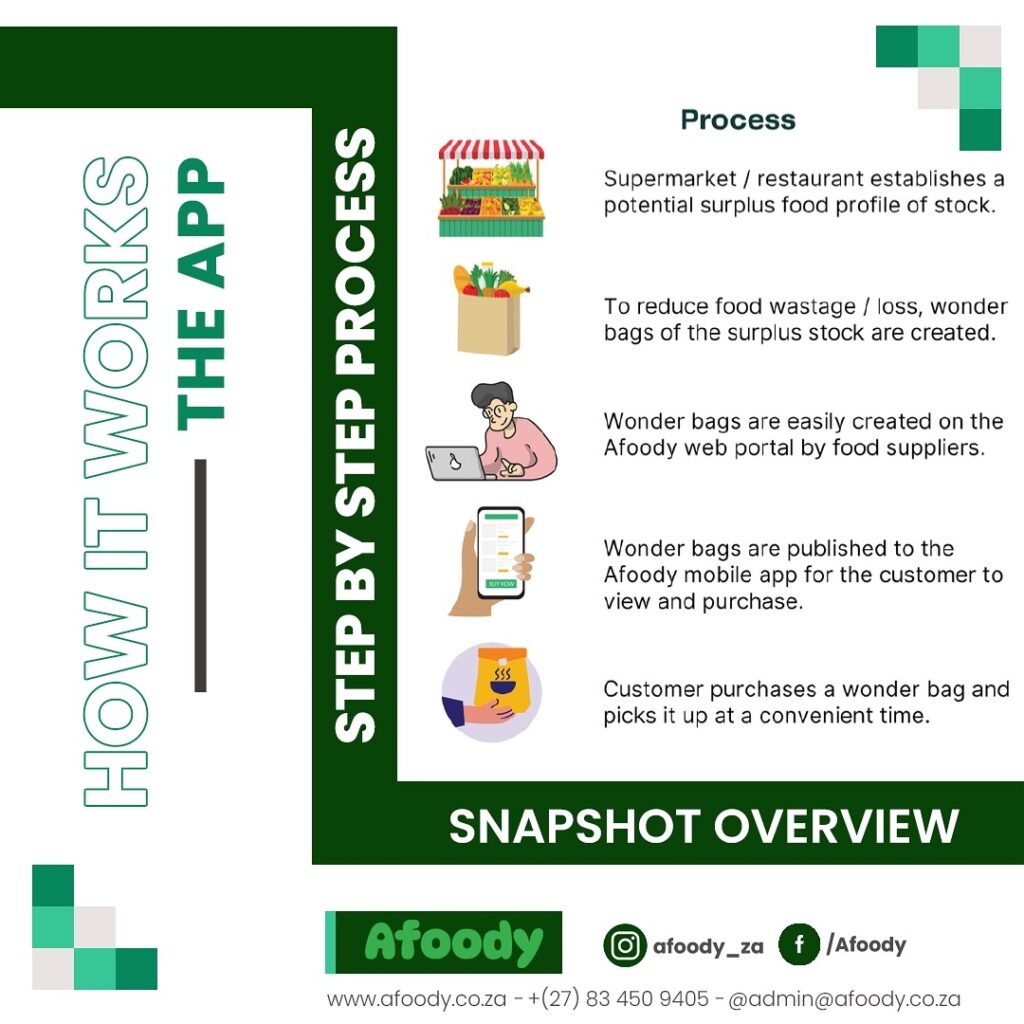
Leveraging their backgrounds, the duo developed Afoody, a user-friendly app designed to bridge the gap between surplus food and consumers. The app allows users to:
- Enter their location to find nearby partner stores.
- Browse available “Wonder Bags” – packages of surplus food offered at discounted prices.
- Purchase these bags online or in-store and collect them during designated time slots.
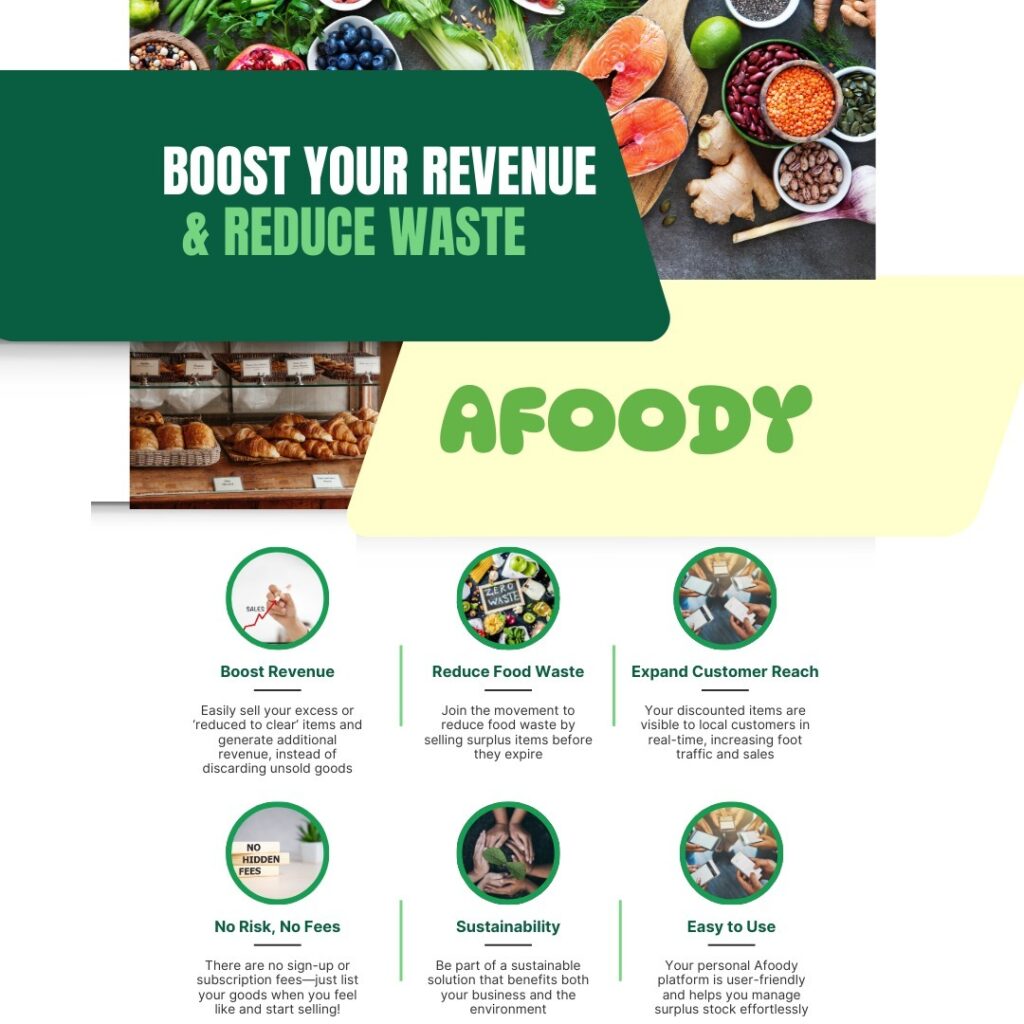
This model benefits both consumers, who save money, and businesses, which reduce waste and recover costs.
Overcoming Challenges: Changing Perceptions and Building Trust
Introducing Afoody to the market was not without hurdles. Convincing retailers to participate required addressing concerns about brand image and food safety. Some businesses were hesitant, fearing that selling surplus food might tarnish their reputation. However, early adopters, like a bakery manager who saw immediate positive results, became advocates for the platform.
Consumer education was equally important. The founders worked to dispel the stigma associated with surplus food, emphasizing that these items are safe and of high quality, merely unsold by the end of the day.
Scaling Impact: Recognition and Expansion
Afoody’s innovative approach garnered significant recognition. The startup won the SAB Foundation Social Innovation Award, receiving R350,000 in grants and mentorship. This support facilitated further development and outreach.
Initially launched in Cape Town, Afoody expanded to Johannesburg and Durban, with plans to reach more regions. The app’s success in student communities, particularly in Stellenbosch, demonstrated its potential to address food insecurity on a larger scale.
Actionable Insights for Aspiring Entrepreneurs
- Leverage Personal Experience: Dowley and Govender’s firsthand encounters with food waste informed their solution, highlighting the value of personal insight in identifying market gaps.
- Educate Stakeholders: Addressing misconceptions about surplus food was crucial. Transparent communication helped build trust with both retailers and consumers.
- Start Small, Think Big: Beginning with a pilot in Cape Town allowed for testing and refinement before scaling to other cities.
- Seek Strategic Partnerships: Winning the SAB Foundation award provided not just funding but also mentorship, underscoring the importance of aligning with supportive organizations.
- Embrace Technology: Developing a user-friendly app made it easier to connect surplus food with consumers, demonstrating how tech solutions can address social issues effectively.
Afoody exemplifies how innovative thinking, rooted in personal experience and driven by a desire for social impact, can address pressing societal challenges. By turning the problem of food waste into an opportunity for community benefit, Dowley and Govender offer a blueprint for sustainable entrepreneurship in South Africa and beyond.