
Mopani Queens: From Kitchen Startup to Sustainable Snack Pioneer
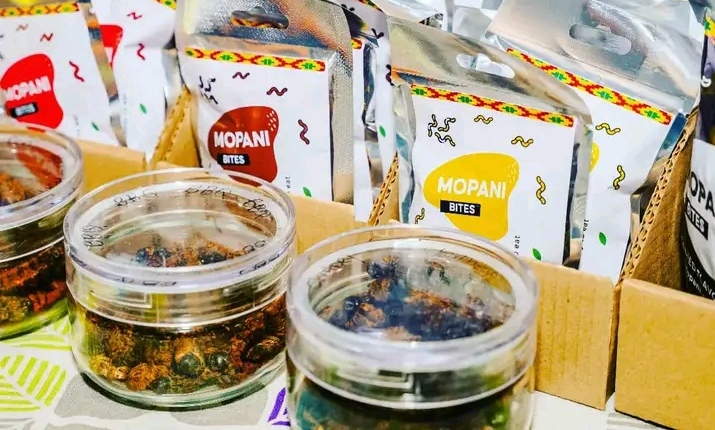
Mopani Queens: From Kitchen Startup to Sustainable Snack Pioneer. In 2018 Puti Kabasa found herself facing a crisis. From her home in Pretoria West she struggled to support her family when her husband lost his job. A customer suggested she start selling masonja, the local name for mopani worms. With determination and creativity Kabasa began her journey. Her brand, Mopani Queens, would go on to reshape perceptions about edible insects, turning a humble idea into a thriving agro‑processing venture.
Turning a Survival Idea into a Market Opportunity
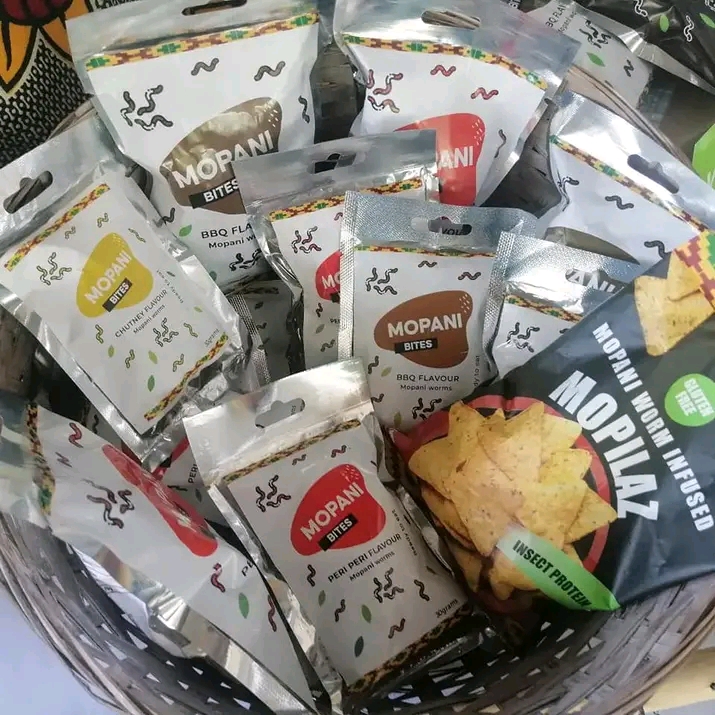
Kabasa began processing mopani worms in her kitchen. She experimented with spices and flavours until she discovered a taste profile that delighted both herself and early customers. Thanks to her perseverance Mopani Queens launched with flavours like original salted, chilli biltong, chutney, barbecue and peri‑peri.
Lesson: Start small, test intensely and build on feedback. A big idea often begins in a humble space.

Rebranding a Traditional Food
In South Africa mopani worms are a traditional delicacy, but often seen as unappealing. Kabasa knew she needed to change the narrative. Her strategy was flavour enhancement and bright packaging that reflected the worms’ natural red, yellow and green tones . She also adopted the nickname “Mopani Queen” to create a playful and memorable persona.
Lesson: Reframing perceptions matters. Packaging, storytelling and branding can transform stigma into pride.
Building a Business Infrastructure
As demand grew, Kabasa had to develop consistent supply chains and strong quality controls. The worms are soaked for 12 hours to remove impurities, marinated, dried (a process that can take 20 hours) and carefully packaged. She faced challenges securing reliable suppliers and feared health issues due to inconsistent sourcing.
Lesson: Quality control and supply stability are essential early investments. Risks in food or health sectors cannot be overlooked.
Scaling Up to Reach New Markets
Mopani Queens moved from kitchen operations to selling at wholesale markets, township events and township brand stores like the one at Alex Mall in Alexandra, Gauteng. By 2019 the worms were reaching consumers in Cape Town, East London, Limpopo and KwaZulu‑Natal. One prominent customer was a Cape Town athlete who preferred mopani worms for their protein.
Lesson: Diversify sales channels, markets, wholesale, retail and direct consumer, to spread risk and increase reach.
Educating the Market and Building Pride
Kabasa did more than sell a product; she became an advocate. She appeared on media platforms including Facebook videos, YouTube and township entrepreneur features. She spoke at schools about the nutritional value of mopani worms. Her mission was clear, to help South Africans rediscover and embrace traditional protein sources.
Lesson: When your product has cultural significance, position yourself as both educator and evangelist. Market education fuels acceptance.
Focusing on Sustainable Growth
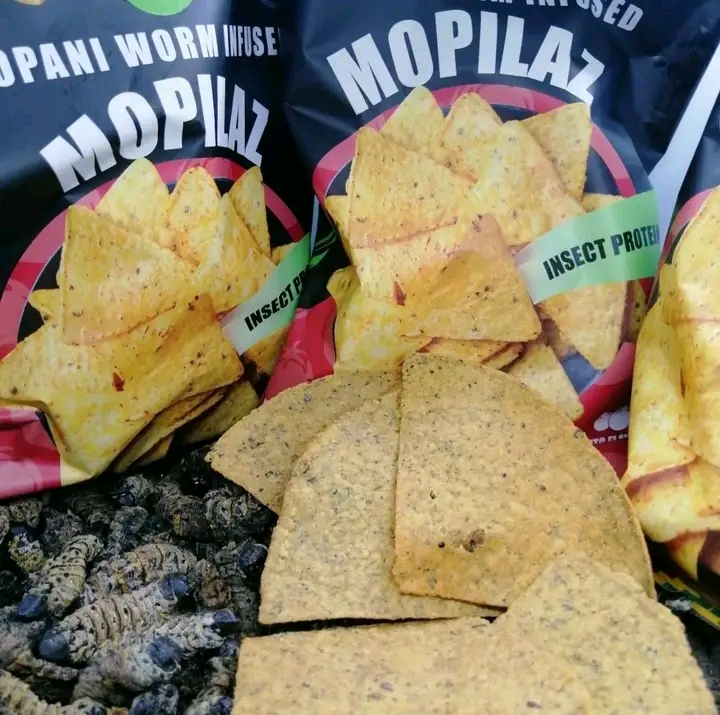
Kabasa’s next steps include seeking a patent for her flavours and building production space, she considered a wendy house annex to her home. While ambition remains high, she is cautious, aware of the challenges in replicating natural environments and supplier reliability.
Lesson: Plan infrastructure carefully and grow operations in manageable steps. A blueprint for scale must address production limitations.
Actionable Entrepreneurial Takeaways
• Start with what you have. Kabasa began at home, bootstrapping with minimal funds.
• Test, iterate, repeat. She experimented with flavours until her product resonated.
• Control quality early. From soak to dry, impurities had to be removed for safety.
• Pilot multiple channels. Markets, retail outlets and direct wholesale helped spread visibility.
• Become a storyteller. She positioned her brand as cultural, nutritious and empowering.
• Invest in operations. Plans for patenting and new space show readiness for scale.
A Legacy of Pride and Potential
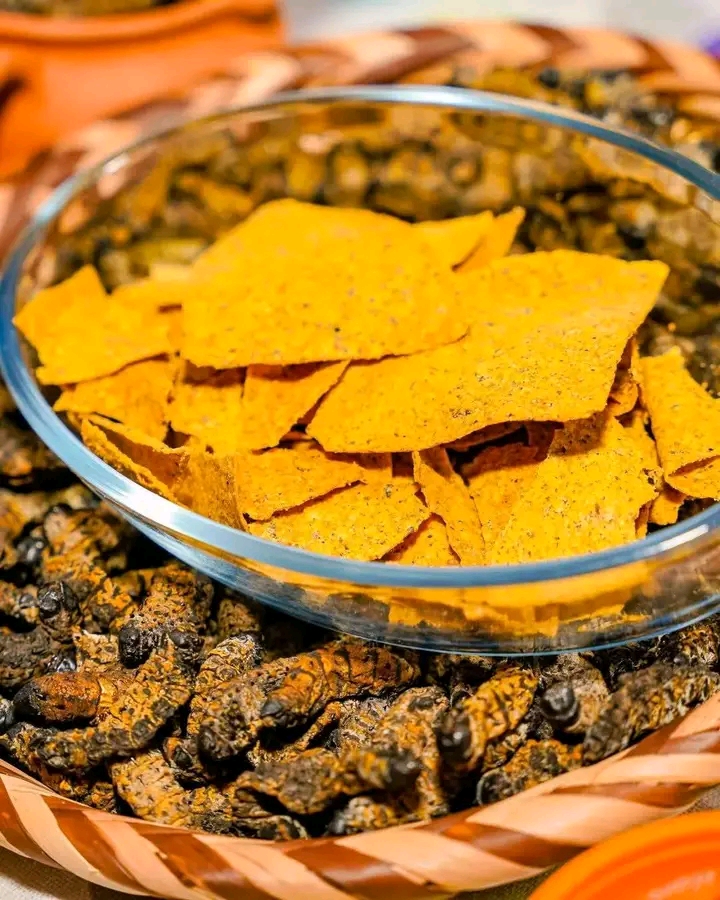
What began as a survival effort has become a movement. Mopani Queens is not just a snack, it is a statement about resilience, innovation and reclaiming heritage. Kabasa reminds entrepreneurs that real success comes from listening to local needs, iterating endlessly and delivering value that resonates.
Her story challenges every aspiring business leader to look for overlooked assets, to innovate thoughtfully and to embrace challenges as opportunities. Mopani Queens proves you can build a brand that tastes good, looks good and does good.