Fortress To Retain 100% Ownership Of The Pick N Pay Super Distribution Centre At Eastport Logistics Park
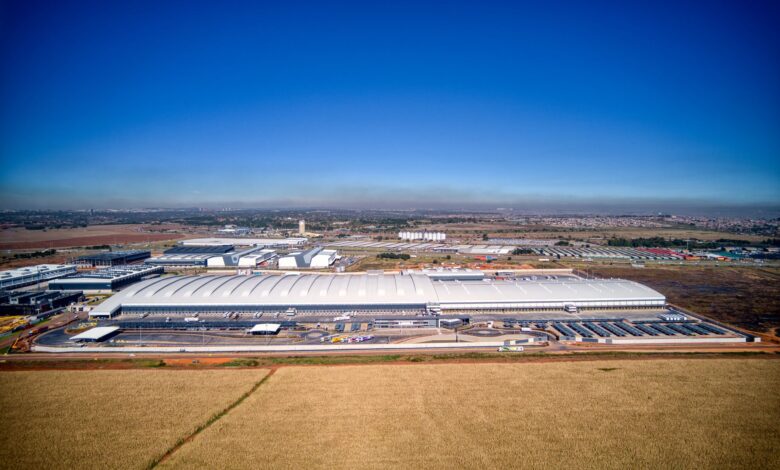
Fortress To Retain 100% Ownership Of The Pick N Pay Super Distribution Centre At Eastport Logistics Park. As per the SENS announcement dated 05 June 2023 regarding the new 164 000m² super distribution ceOwnershipntre for Pick n Pay at Eastport Logistics Park (“distribution centre”), Fortress Real Estate Investments Limited (“Fortress”) will retain 100% ownership of the newly developed distribution centre.
The initial agreement (SENS: 17 May 2021) would have seen Pick n Pay purchase a 60% undivided share in the distribution centre through a separate special purpose company, with Fortress retaining a 40% undivided share. Pick n Pay would then have entered into a lease agreement with the co-owners with rental payable based on an initial 7,0% yield on total development cost. The parties initially agreed to a lease term of 15 years with an escalation of 6% per annum. The parties originally agreed to reciprocal put and call options, on different dates, over Fortress’ 40% undivided share.
The details of this transaction have subsequently been amended and will now see Fortress retaining 100% of the asset, and Pick n Pay will pay rental based on an initial yield of 8.5% on total development cost from 1 June 2023. The current estimated total cost of the development, including capitalised interest, which will be determined once the final accounts have been received and settled, is approximately R2,13 billion and in-line with initial cost estimates.
Eastport Logistics Park offers great vehicle accessibility and great visibility, being situated adjacent to the R25 offramp of the R21 Albertina Sisulu Freeway. The Albertina Sisulu Freeway is one of the major arterial routes in Gauteng linking Pretoria to the East Rand. Demand for logistics space in the node remains strong as it offers superior visibility and access to tenants. Eastport is centrally situated to all markets in Gauteng. Routing to and from these markets can be done through by various routes presenting vehicles with options to minimise drive time and avoid traffic. The Pick n Pay distribution centre is situated in the north-eastern part of Eastport Logistics Park, with its own access off the R21 Expressway. The distribution centre will house Groceries in an ambient environment of approx. 95 000m² and Cold storage of approx. 48 000m². The remainder of the space comprises returns, offices, gatehouse and aerosol storage.
Pieter Boon, the CEO of Pick n Pay, said that this new distribution centre “will help Pick ’n Pay deliver key logistics and supply chain innovations, achieving efficiencies and growing market share at a time when faster and cheaper service of our stores has never been more important to deliver on our customer promise of low prices and reliable service.” Pick n Pay’s decision to amend the nature of its financing decision was driven by the company taking a more prudent approach to its capital investment, partly driven by the impact of load-shedding costs on the business. By concluding this agreement with Fortress, Pick n Pay can deliver all the operating benefits associated with their move to Eastport, while being able to focus their capital investment on customer and sales growth through new stores and store refurbishments.
Eastport Logistics Park is one of the largest and most modern FMCG distribution centres on the African continent and the broader R21 area. It forms part of South Africa’s prime logistics hub as allied industries and businesses seek proximity and rational integration into the country’s leading logistics ecosystem. Fortress is the largest owner and ongoing developer of core, premium-grade logistics real estate in South Africa. “We partner with our clients to power their growth by understanding their challenges and supporting their evolution in response to market changes by offering state-of-the art logistics boxes tailored to meet their business and service ambitions,” commented Steven Brown, CEO of Fortress Real Estate Investments Limited.
“This building is the largest single-phase warehousing development in South Africa, and we are very proud to own this asset as part of our logistics portfolio. We wish Pick n Pay well as they successfully transition into their new space,” concluded Brown.