
From Scraps to Strength: How Ntokozo Mtsweni Built Zenzelayo into a Handmade Furniture Force

From Scraps to Strength: How Ntokozo Mtsweni Built Zenzelayo into a Handmade Furniture Force. When unemployment met hands-on skill in KwaMhlanga, Ntokozo Mtsweni turned necessity into craft. What began in 2015 as informal handwork making benches and chairs from reclaimed tyres, wood and steel has grown into Zenzelayo (Pty) Ltd, a workshop that now supplies wooden plates, trays, furniture and metalwork across South Africa. His story is practical, gritty and instructive for any entrepreneur who wants to build a business from local resources and relentless creativity.
A maker learns to see opportunity
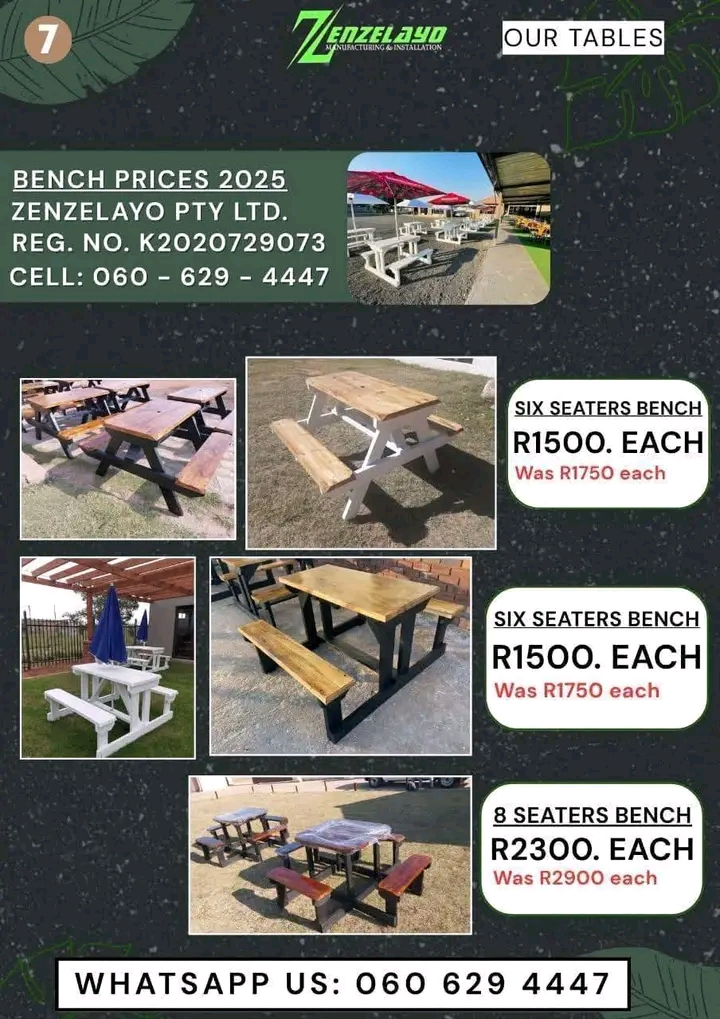
Mtsweni’s origin is rooted in a childhood love for making things and fixing appliances. When formal jobs were scarce he leaned on those skills and began producing functional pieces that found buyers quickly. The earliest products were benches and chairs combining tyres, wood and steel. That simple pivot from hobby to livelihood set the tone for a business built around solving real needs with available materials.
Iterative product development became the growth engine
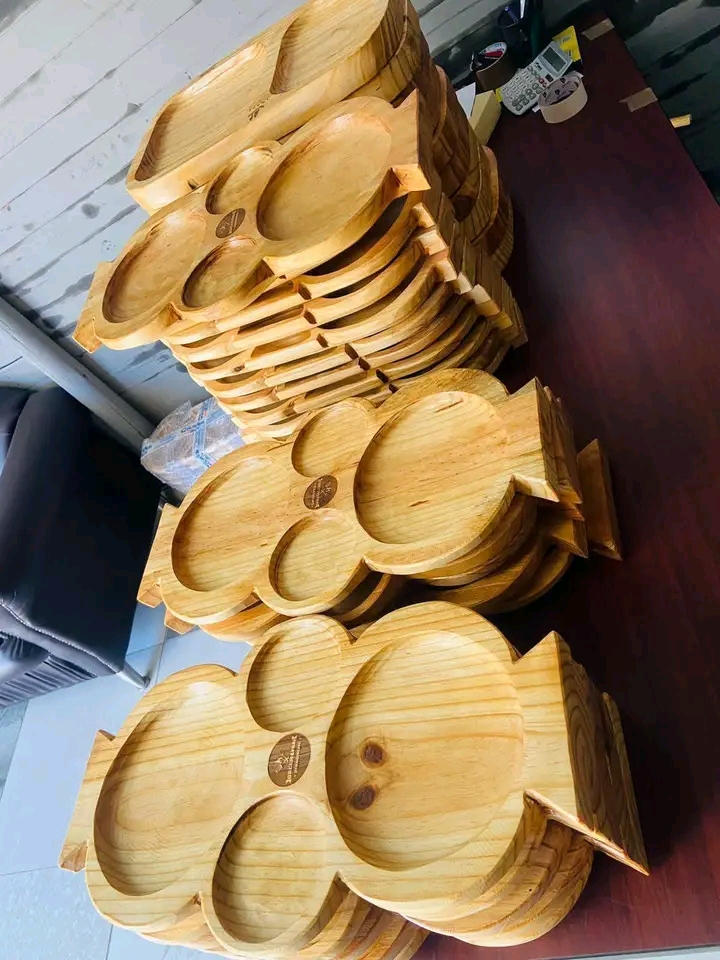
Zenzelayo did not scale by copying big brands. Instead the company expanded its product line step by step. In 2019 Mtsweni added steelwork services, offering sliding gates, palisades, carports and shelters. In 2020 he introduced wooden trays and plates aimed at shisanyamas, pubs, restaurants and households. Each addition answered a clear market demand and broadened revenue streams, reducing reliance on any single product or client.
Turning constraints into a competitive advantage
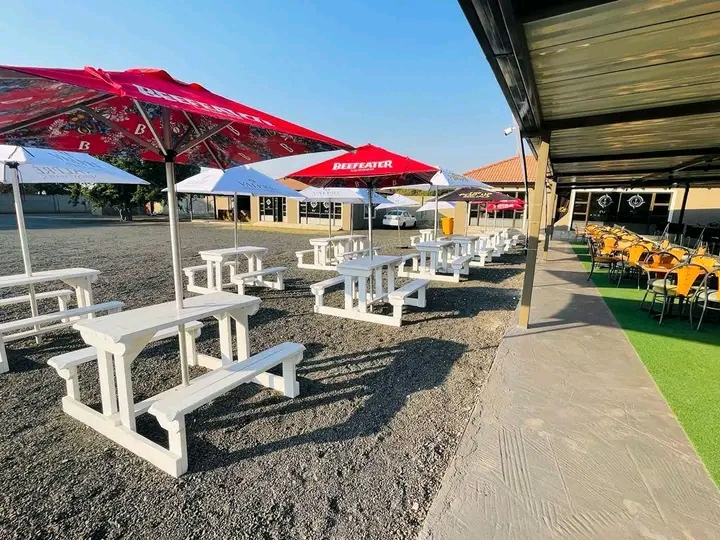
Working with reclaimed tyres and locally sourced timber taught Zenzelayo to control costs while producing distinctive, durable pieces. That focus on local materials and hands on fabrication allowed Mtsweni to deliver bespoke items and small batch runs that bigger manufacturers often cannot. It also created a brand identity tied to sustainability and community craftsmanship, which resonated with customers across South Africa.
Key milestones that show deliberate scaling
- Founded informally in 2015 and operating locally until formal registration in 2020.
- Expanded into steel fabrication in 2019, adding structural work such as gates and carports.
- Launched the wooden trays and plates product line for hospitality and household markets in 2020.
- Grew employment to a small team and began delivering to customers nationwide.
How resilience met real life challenges
Mtsweni has been candid about near-giving up when early obstacles mounted. Challenges included logistics for delivering bulky items to distant customers, limited access to funding, and navigating demand swings during lockdowns. Rather than waiting for external solutions, he adapted operations, diversified products and focused on creating repeat customers through quality and service. That pragmatic resilience kept the business afloat and positioned it for sustainable growth.

Strategic lessons for aspiring entrepreneurs
1. Start with what you can make well
Mtsweni’s early success came from doing a few things excellently. Focus on a core craft, then expand intentionally.
2. Add services that reduce risk
Steel fabrication complemented furniture making. Complementary offerings smooth revenue and create cross sell opportunities.
3. Build with local inputs
Using reclaimed and locally sourced materials cut costs and created a distinct value proposition that customers appreciate.
4. Make distribution part of the plan
Delivering benches and gates across long distances is harder than selling small items. Plan logistics early and price accordingly.
5. Treat nearly giving up as data, not defeat
Setbacks revealed gaps in funding, logistics and customer reach. Use those lessons to iterate operations rather than abandon the plan.
6. Create jobs where you operate
Employing local people not only scales production but builds loyalty, local goodwill and practical capacity for larger orders. Zenzelayo had grown to employ several people, amplifying local economic impact.
What comes next for Zenzelayo
Public profiles and recent features show growing recognition and a steady stream of customers beyond Mpumalanga. The logical next steps are securing predictable working capital, investing in logistics and marketing, and formalising processes for larger wholesale or hospitality contracts. Mtsweni’s path shows how a maker with determination can professionalise craftsmanship into a scalable enterprise.
Closing note
Zenzelayo’s rise is not a story of overnight success. It is the accumulation of small, deliberate moves: seeing opportunity in waste, expanding product lines to meet demand, and refusing to quit when the road got rough. For entrepreneurs who value craft, community and pragmatic growth, Ntokozo Mtsweni’s journey offers a clear playbook: start local, make it well, and scale by solving real problems for real customers.