
From Street Vendor to Poultry and Breeding Success: The Rise of Sizo Tshabalala
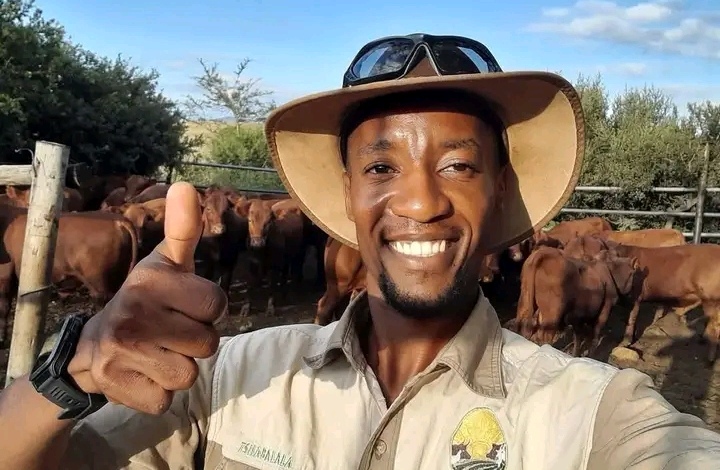
From Street Vendor to Poultry and Breeding Success: The Rise of Sizo Tshabalala. Sizo Tshabalala started in farming as a first generation farmer in Elukwatini, Mpumalanga. After completing a diploma in animal production at Tshwane University of Technology, he bought land in 2013 and began with six calves. He also tried Boer goats, but faced severe losses: mis-vaccinations and disease caused him to lose many pregnant goats. He also tried other ventures that did not succeed initially. Yet each failure taught something essential: about hygiene, proper care, disease management, and the need for reliable supply chains.
Pivot to Layer Farming and Eggs
Realising goats and cattle posed long cycles and high risk, Sizo shifted focus to layer chickens. He saw an opening in egg supply. He started small, selling eggs in his community. Over time the volume grew. His layer house now has a capacity of around 7500 chickens, and he produces thousands of eggs daily. He also moved into crop farming to diversify income, planting seasonal tomatoes and sweet potatoes.

Building Reputation Through Relationships
Sizo’s growth was made possible not simply by what he grew but by how he built relationships. He learned early that when crisis hits, a disease, a breakage in supply, you rely on people. When Spar cancelled his supply agreement in 2023, he had to lean on backup buyers, and that network saved him.
Also, when he lacked egg trays, he called on suppliers who trusted him to extend credit until he could pay. Trust carried him through times of scarcity.
Commitment to Quality and Scale
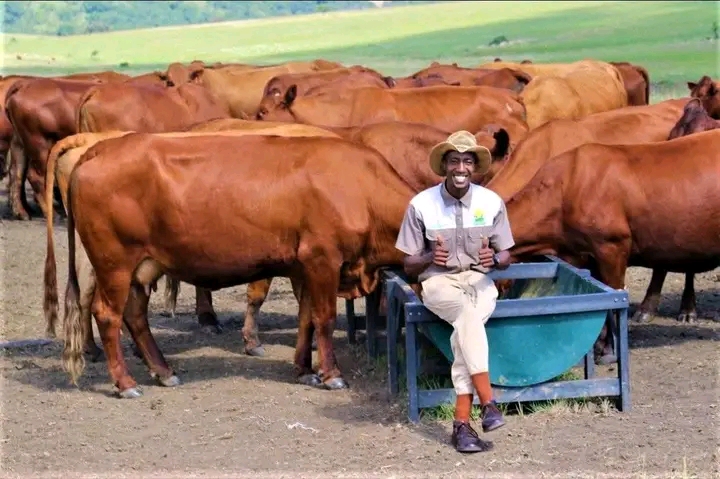
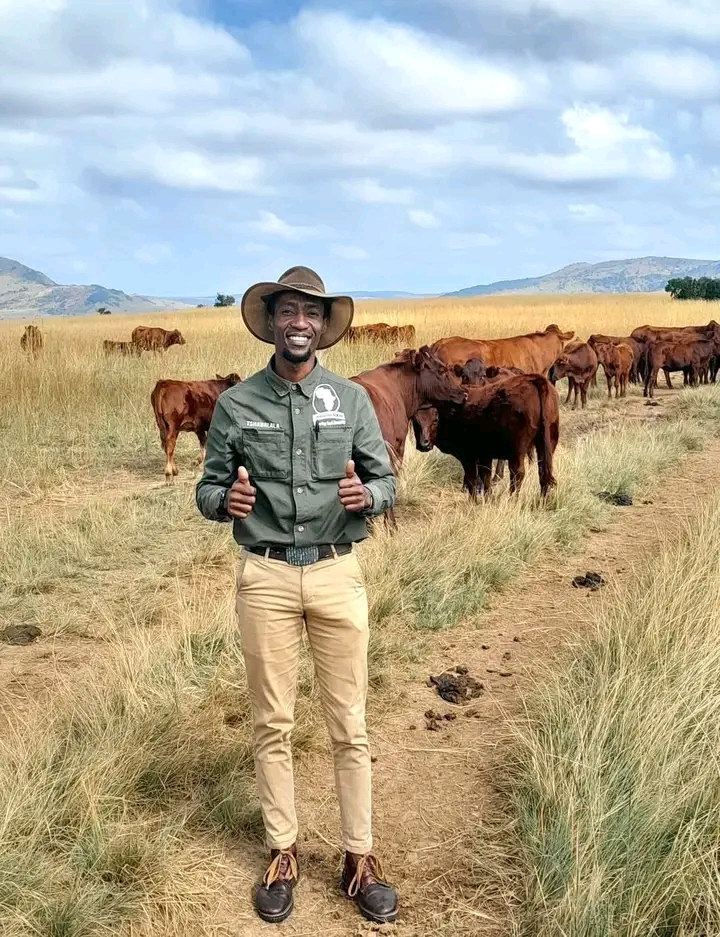
As demand rose, Sizo invested in building his capacity. He ensured proper spacing between flocks, hygiene, vaccination, and better breed selection. His Bonsmara stud herd now includes over 250 breeding cows under the Gubuda Stud outside Carolina, Mpumalanga.
His egg operation is also scaling, with the intention to build more layer houses and control more of the egg supply chain (egg trays etc.) to reduce bottlenecks.
Key Turning Points
- Moving from mixed-species livestock (goats, young cattle) to focusing on layer chicken for faster cash flow.
- Building trusted buyer relationships, especially when a big buyer cancels, so that backup channels exist.
- Investing in quality and animal health (vaccination, careful selection) to reduce losses.
Challenges Overcome
- Livestock disease losses early on in goat and cattle experiments.
- Market disruptions such as Spar cancelling supply contracts.
- Logistical constraints: obtaining egg trays, maintaining supply chain, financial margins.
Lessons for Entrepreneurs
| Lesson | Practical Application |
|---|---|
| Fail fast, learn faster | Early losses in goat farming taught Sizo disease control and management that now protect his larger operations. |
| Pivot when needed | Shifting focus from long-cycle livestock to layers allowed more reliable income flows. |
| Diversify income streams | Crops plus poultry plus cattle means risk is spread. |
| Build relationships | Buyers, suppliers, community all matter when you need to survive tough times. |
| Invest in quality | Health, breed, consistency distinguish product and enable scale. |
Looking Ahead
Sizo Tshabalala’s ambition doesn’t stop at his current scale. He envisions more layer houses, more control over his value chain, possibly growing to employ many more people. His story shows that entrepreneurship in agriculture is not smooth, but it is shaped by persistence, learning, and strategic choices.
For anyone in farming or outside, his journey teaches that success comes from combining vision with grit, relationship with quality, and adaptability with focus.