
MTN Explores Banking Licences as Lending Becomes Key Fintech Growth Driver
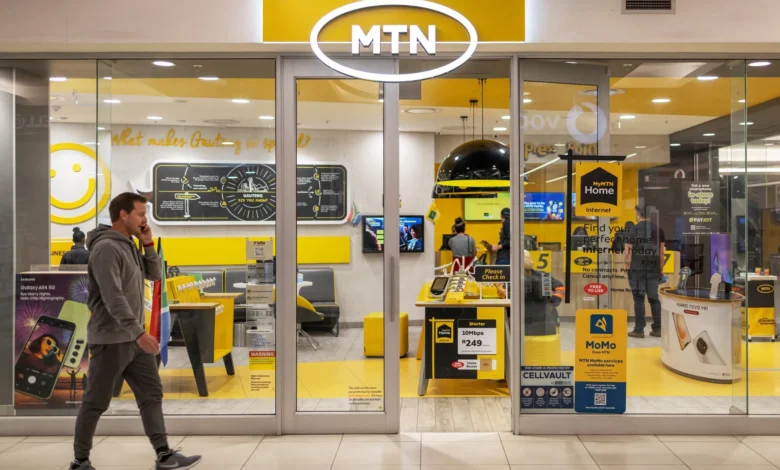
MTN Explores Banking Licences as Lending Becomes Key Fintech Growth Driver. MTN Group is exploring the possibility of obtaining banking licences in selected markets as the telecommunications company looks to expand its lending activities beyond its current partnerships with banks.
MTN Group CEO Ralph Mupita disclosed the plans to journalists on Tuesday, 25 August, as the company continues to expand its fintech services beyond traditional telecommunications revenue.
Mupita said advanced services such as payments, e-commerce and lending were showing growth within the group’s operations, with lending emerging as a key area for future growth.
“The big growth now, which will be the growth of the future, is actually lending,” Mupita said.
MTN currently provides loans through partnerships with banks. However, the group is considering whether banking licences could allow it to take deposits and eventually lend from its own balance sheet in selected markets.
Mupita said the approach would depend on factors including the size of customer bases and the level of funds held in mobile money wallets.
The potential move would not mean an end to MTN’s existing lending partnerships with banks. Mupita said partnership lending would continue to form part of the group’s approach.
He also stressed that any move towards balance-sheet lending would be selective and gradual because of the risks involved.
Alongside its fintech expansion, MTN is also pursuing opportunities in digital infrastructure through plans for AI-enabled data centres in South Africa and Nigeria.
The data centre initiative is being developed through Africa Data Hub Holding, a venture involving MTN and an undisclosed UAE-backed investor. The venture is intended to develop AI-ready data centre infrastructure across key African markets.
MTN is expected to be a minority investor in the venture, while its partner will provide most of the capital and technical expertise. The partner has experience in developing data centres in the United Arab Emirates and other Gulf countries.
The initial phase is expected to target approximately 150 megawatts of capacity across South Africa and Nigeria. Mupita said future expansion would be driven by demand.