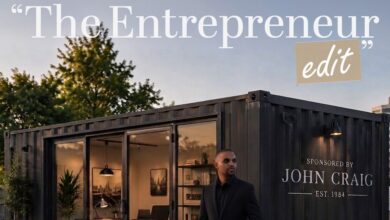
Building a Multi-Sector Empire at 24: Lessons from Klipcity Holdings and Keabetswe Maifadi

Building a Multi-Sector Empire at 24: Lessons from Klipcity Holdings and Keabetswe Maifadi. At just 24 years old, Keabetswe Edward Maifadi has become a name to watch in Pretoria’s entrepreneurial scene. He is the driving force behind Klipcity Holdings, a diversified company that now operates across cleaning products, tours, courier services, and more. What started as spotting everyday service gaps in Tshwane has grown into a multi-arm enterprise that reflects agility, purpose, and strategic growth.
Maifadi’s story is compelling not only because of his youth, but because of how he structured Klipcity, not as a single venture, but as a holding company that can pivot into multiple sectors depending on demand and opportunity.
Identifying Market Gaps and Expanding Horizontally
One of the early turning points for Klipcity was Maifadi’s decision to branch out beyond one service. Recognizing that service bottlenecks exist in many urban sectors, he launched Klipcity Tours, providing curated travel experiences rooted in local insight.
From there, the company extended into Klipcity Couriers, offering reliable and affordable delivery services around Pretoria. By leveraging knowledge of logistics and urban movement from the tours arm, Maifadi created synergies between operations.
Perhaps the most striking expansion is Klipcity Detergents & Manufacturing. This arm supplies bulk cleaning products in 5 L and 25 L formats to schools, organizations, retailers, and households across Tshwane and Madibeng, offering free delivery in those regions.
With these different arms, Klipcity is neither purely a logistics firm nor strictly a cleaning products manufacturer. It’s a brand designed to capture multiple revenue streams, spread risk, and leverage operational overlap.

Strategic Moves That Strengthened the Business
Positioning and Branding
Naming the company Klipcity signals locality, a brand that serves the suburbs, towns, and streets. This community orientation helps as the business expands.
Also, by maintaining consistent quality across each arm (whether delivery, tours, or detergents), Klipcity reinforces brand trust. If clients can depend on the courier service, they are more likely to trust the cleaning supplies side of the business.
Value through Accessibility
A standout offering is free delivery to houses and organizations in Tshwane and Madibeng for Klipcity’s detergent products. That lowers friction for clients and makes the brand more competitive in an otherwise commoditized market.
Additionally, selling in both 5 L and 25 L sizes allows flexibility for clients with different needs, from households to institutions.
Reinvest and Grow Organically
Maifadi’s growth appears grounded in reinvestment rather than overreaching too soon. By scaling arms gradually and building infrastructure internally, Klipcity avoids overextension. The lessons from the tours arm could inform logistics decisions; insights from delivery inform routes, and detergent demand informs product distribution.

Challenges and How They Were Overcome
No young business is free from obstacles. In Klipcity’s case:
- Market saturation: Cleaning products, courier services, and tours all have entrenched competitors. Klipcity had to differentiate by service, pricing, and local access.
- Logistics complexity: Running a courier arm and a delivery model for detergents demands tight coordination. The overlap between business units helps reduce redundancy.
- Scaling quality: As operations expand, maintaining high standards becomes harder. Klipcity’s model emphasizes process consistency, control, and gradual quality assurance.
By expanding into complementary services rather than distant sectors, Maifadi minimized the learning curve and allowed shared resources (vehicles, personnel, networks) to support multiple functions.
Lessons for Entrepreneurs
- Diversify smartly
Don’t stray too far from your core competencies. Each business arm should complement others so that strengths and resources can be shared. - Add convenience as a competitive edge
Free delivery, flexible sizes, and accessible locations can turn price-sensitive clients into loyal customers. - Use your brand’s trust across verticals
If you build reliability in one service, that credibility can lift new products or services you introduce. - Grow by reinvestment, not debt
Organic growth, when feasible, tends to be more sustainable than scaling quickly via borrowings. - Local roots matter
Operating with strong ties to your immediate community helps with word-of-mouth, client acquisition, and brand loyalty.

What Lies Ahead
Klipcity Holdings is still young, and its journey is far from over. As it continues scaling across sectors, Maifadi’s success will depend on integrating operations, maintaining brand coherence, and continuing to anticipate customer needs.
For other young entrepreneurs, his story is a powerful example: you don’t need decades to build a diversified and respected business. With clarity of vision, strong execution, and care for your community, even a 24-year-old can lead a rising multi-sector brand.