
Flavor, Faith and Grit: How Mwari Pizza House Grew from a Garage into a Township Staple
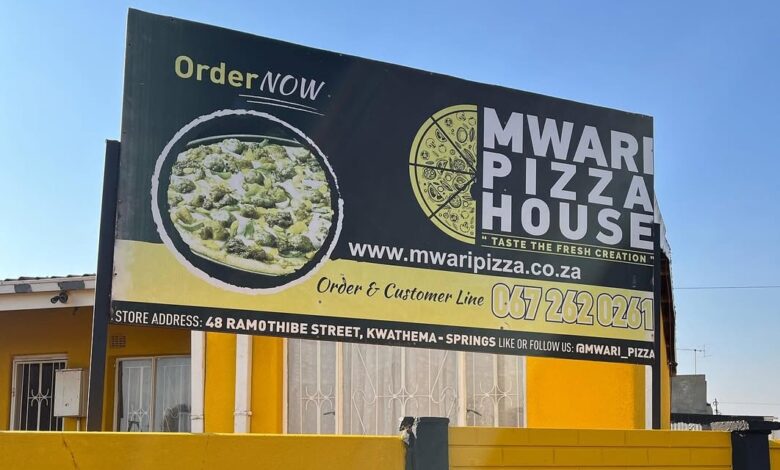
Flavor, Faith and Grit: How Mwari Pizza House Grew from a Garage into a Township Staple. In the township of KwaThema, Springs, a young entrepreneur named Tshepiso Sibisi turned setback into opportunity. What began in 2018 as a pizza experiment with R100 and a YouTube tutorial has become Mwari Pizza House, a restaurant known not just for its food but for its connection to community, creativity, and culture. This is the story of its journey, what turned it into success, its crossroads, its innovations and what every aspiring entrepreneur can learn from it.
Starting Small with a Big Idea
Tshepiso was working in construction and faced retrenchment multiple times. Rather than waiting for another job, she decided to take control of her own destiny. In 2018, with two of her sisters, she converted her grandmother’s garage into a kitchen and used R100 to buy ingredients. She had never made pizza before but used YouTube to learn dough, sauces and basics.
That early leap mattered. It forced her to learn fast, stay lean, focus on what mattered, and test her product with real customers. The constraints, low budget, limited equipment, helped sharpen her problem-solving instincts.
Finding a Flavor Identity That Resonates
One turning point was when Tshepiso decided not to simply copy standard pizza flavours. She fused traditional “kasi” (township) tastes with pizza. For example, kota pizza, atchaar pizza and even mogodu pizza, all toppings or styles familiar to the township palate, became part of the menu. Meanwhile, standard flavours like Bacon Supreme, Hawaiian, Margarita etc. remained.
This blending offered more than novelty. It built identity. When customers tasted her pizzas, they felt recognized, nostalgic, excited. The business won its community not just with flavour but with cultural belonging.
Building Operations, Infrastructure and Visibility
Working from a garage, Tshepiso had to be clever about operations. Growth came via small increments.
- She made the pizzas from scratch even in that modest setting. Learning to be consistent was critical.
- She focused on local reach: customers in KwaThema and immediate surroundings. She used take-away, walk-ins, and local delivery solutions instead of depending on big platforms alone.
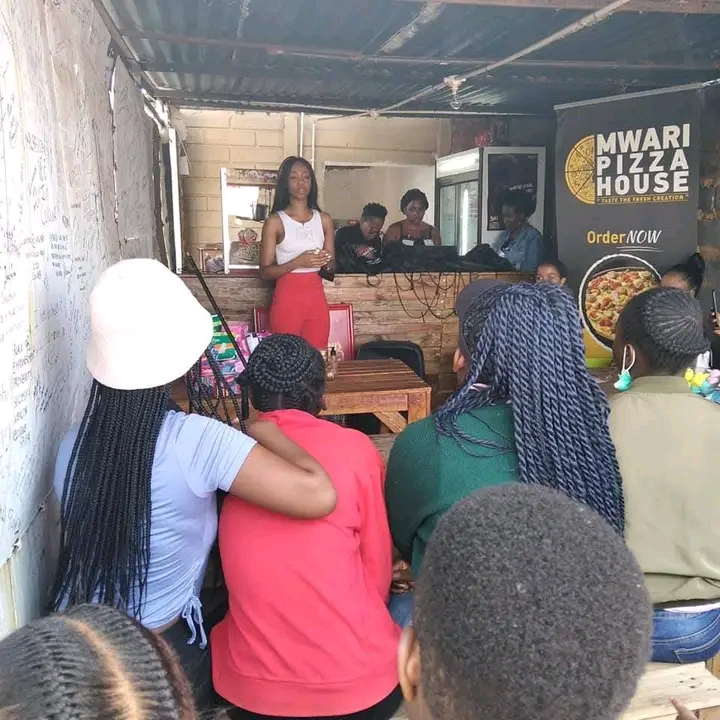
- Visibility came through word of mouth, unique offerings, creative names, social media, and making the restaurant a hub: hosting game nights, offering free Wifi, and doing events like community cooking lessons.
One milestone of visibility was in 2023, when African Bank and 22 On Sloane helped refurbish the premises and enhance branding. That captured attention, improved the customer experience, and reinforced legitimacy.

Overcoming Challenges with Creativity and Community
Running a business in a township meant a series of persistent challenges:
- Ingredients are expensive, especially because many supplier networks assume higher volumes or are far away. Tshepiso learned to buy smart, minimize waste, and sometimes source locally to reduce cost.
- Lack of formal delivery infrastructure. Big delivery apps often do not serve townships well. So Mwari Pizza House innovated: local taxi networks or informal delivery partnerships helped bridge the gap.
- Competition and reputational trust. When you’re new, people may doubt quality. Tshepiso built trust by being transparent, maintaining consistent quality, and offering something distinctive, taste, service, environment.
Importantly, she has resisted rushing into expansion that could dilute what made Mwari special. Before opening new branches, the focus has been on strengthening this core location.
Lessons You Can Apply in Your Own Venture
- Start now with what you know or can learn. Tshepiso educated herself via YouTube and practice. Don’t wait for perfect conditions.
- Make your product culturally relevant. Let your customer feel seen in your menu, flavour, service.
- Operate lean but consistently. Small beginnings require discipline, on cost, quality, delivery, presentation.
- Build visibility through experience, not just ads. Word of mouth, community events, refurbishing space, media features, these build credibility.
- Solve logistical constraints imaginatively. If mainstream delivery is not feasible, partner locally. If supply cost is high, find alternatives.
- Protect brand essence during growth. Expand only when systems, quality, identity are stable.
- Seek external support when possible. Grants, competitions, partnerships not only give capital but also validation.
The Road Ahead and Why It Matters
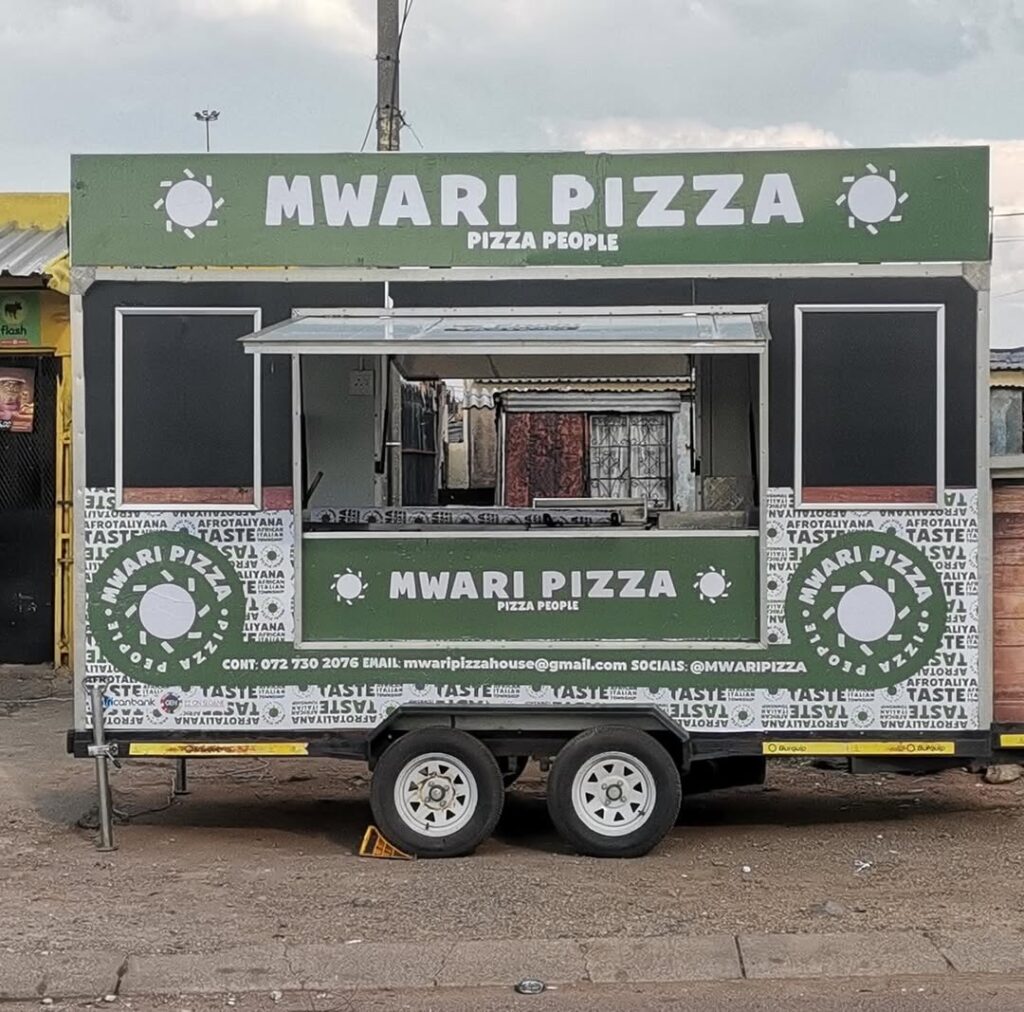
Mwari Pizza House is more than a restaurant. It is a space of creativity, identity and upliftment. Tshepiso has spoken of franchising, opening another branch around Kwatsaduza, and expanding reach. But success will depend on keeping authenticity, community core, and creative energy alive.
Her story reminds us that entrepreneurship is not only about profit. It is about culture, community, resilience. And often the smallest spark can become a beacon, if you tend it well.