Lighting Up Opportunity: The Rise and Lessons of Ndzilo Charcoal Briquettes
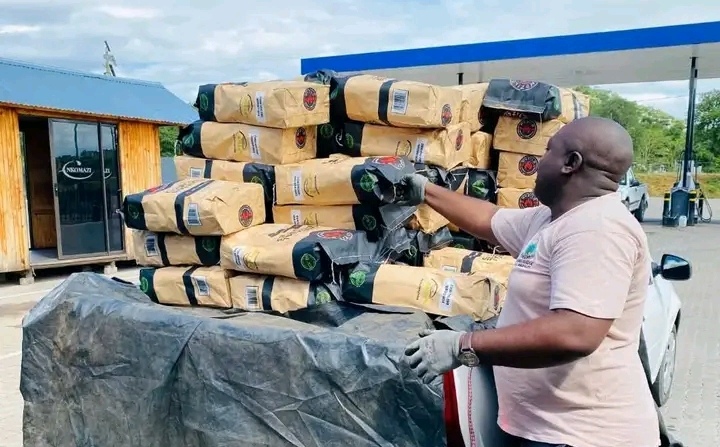
Lighting Up Opportunity: The Rise and Lessons of Ndzilo Charcoal Briquettes. When your dream job doesn’t show up, you build your own. That’s the story of Given Ngwamba, a sound engineering graduate who turned unemployment into a spark of innovation. In 2019, he started making charcoal briquettes from waste materials in his backyard in Ka Maqhekeza. Today his brand, Ndzilo Charcoal Briquettes, supplies major retailers like Pick n Pay and has become a model for eco-entrepreneurship.
Finding Value in Waste
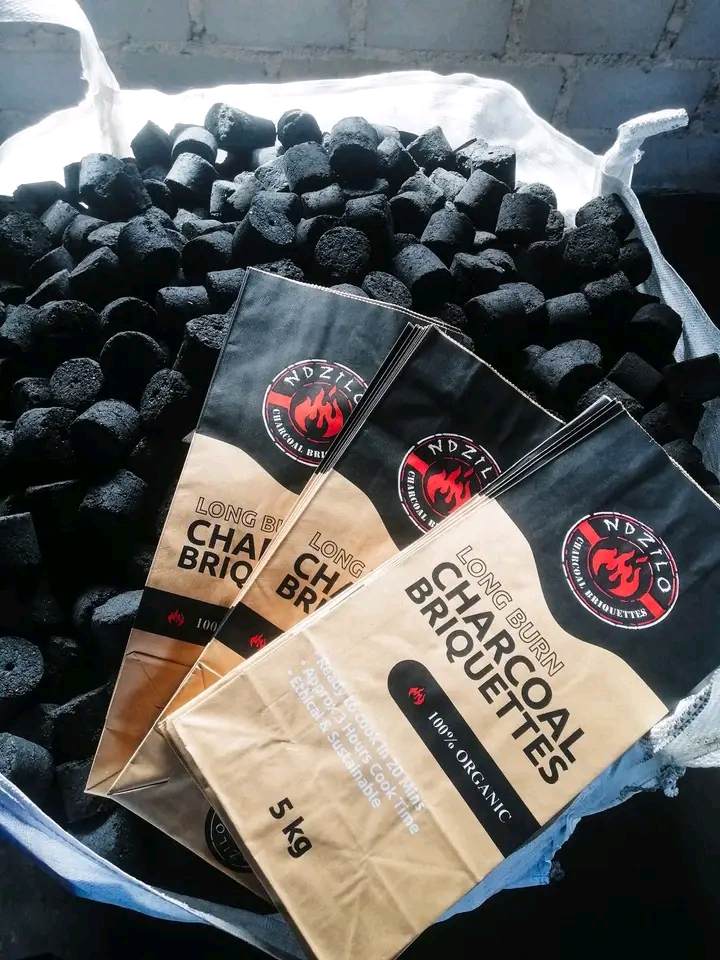
Given’s breakthrough idea came from observing agricultural waste: sugarcane husks, groundnut shells, mango leaves, and banana stalks. Instead of burning them or leaving them to rot, he experimented with methods to carbonize them and press them into clean-burning briquettes. He built his own machines, tested dozens of mixtures, and refined a product that produces less smoke and lights more efficiently.
That focus on local materials and sustainable inputs allowed Ndzilo to control costs and appeal to consumers and businesses seeking more environmentally friendly charcoal.
From Backyard Batches to Retail Shelves
In the beginning, Given’s output was small, about 20 briquettes a day and he collected waste using a wheelbarrow. But with perseverance and ingenuity, he gradually scaled up. He joined business boot camps, obtained grants, and used those funds to strengthen his model.
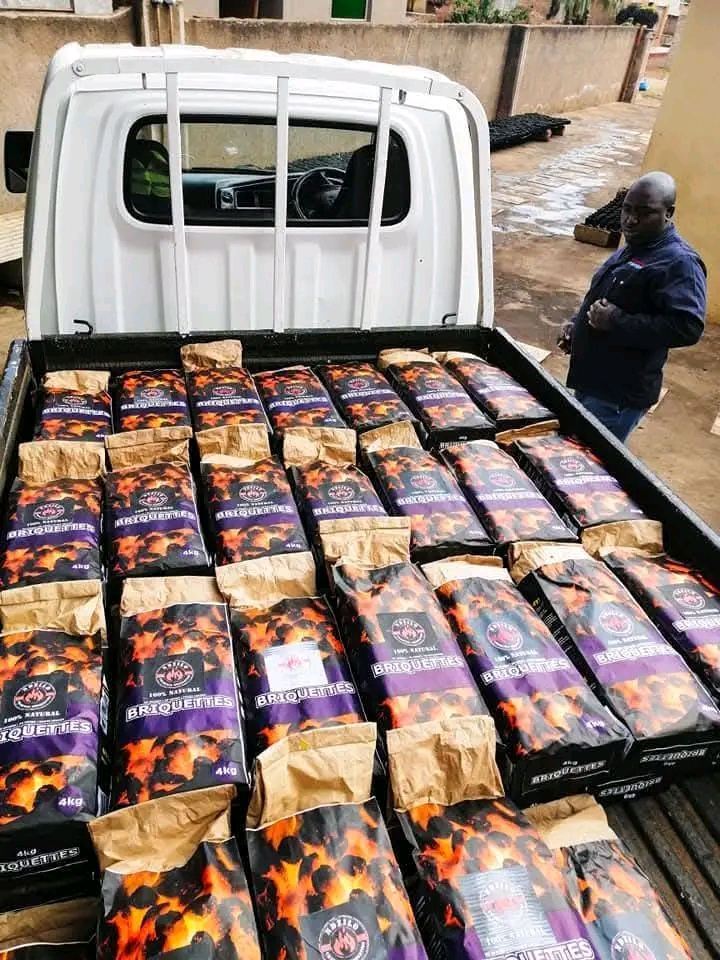
One turning point was landing shelf space in Pick n Pay and other supermarkets. Suddenly, his charcoal was no longer a backyard novelty but a national product. Ndzilo now produces around 200 kg of briquettes per day using multiple drums.
Diversification and Impact
Given didn’t stop at just cooking charcoal. Under his company TNK Greenhouse Technology, he also markets biochar for agricultural use, creating a circular system. Over time, his workforce grew, from a handful to dozens of young people employed in his factory.
Ndzilo’s impact is not just commercial; it is social and environmental. By turning waste into value, Ngwamba helps reduce biomass pollution, supports job creation, and offers a cleaner alternative to traditional charcoal.
Lessons for Entrepreneurs
1. Start where you are
Given began with what was immediately available — waste, drums, a backyard workshop. You don’t need perfect tools to begin; you need readiness to make do and improve.
2. Lean into experimentation
He tested formulas, made mistakes, iterated, and learned. That scientific, trial-and-error mindset led to a refined, marketable product.
3. Bootstrap smartly
Funding was limited, so Given built machines himself, used resources locally, and took grants or support only when it aligned with scaling his vision.
4. Control your inputs
By sourcing waste feedstock, he didn’t depend solely on raw charcoal supply. That helped his margins and sustainability.
5. Pursue both purpose and profit
Ndzilo works at the intersection of environmental benefit and business viability. When your product solves real problems, it gives you a stronger brand story.
6. Scale intentionally, not recklessly
Given did not overextend. He expanded production carefully, ensuring product quality, consistency, and demand kept pace.
Illuminating the Future
From a graduate unable to find work to an eco-focused manufacturer supplying national chains, Given Ngwamba has shown that entrepreneurship often begins not with grand vision, but with determination, resourcefulness, and persistence. Ndzilo Charcoal’s story is not just about turning trash into treasure, it’s about lighting the way for others to follow.