From Motswako to Maize Fields: The Grounded Business Journey of Mo’Molemi

From Motswako to Maize Fields: The Grounded Business Journey of Mo’Molemi. Mo’Molemi’s business journey does not begin in a boardroom or with venture capital. It begins in the soil of the North West province, long before his name echoed through South African hip hop circles. Known to many as Motlapele “Mojo Man” Morule, the artist behind Motswako tracks like Footprints and A Sia, his transition into agriculture was not a reinvention. It was a return.
Behind the stage name Mo’Molemi, meaning farmer, lies a vision that had been forming quietly for years. While music introduced him to the public, farming was always the foundation he planned to build on.
A Farm Boy Long Before the Fame
Despite popular belief, Morule did not stumble into agriculture after music slowed down. He was raised on the land and remained connected to it even while pursuing a career in rap. When he left for the city, he made a promise to return, and he kept it. Some of his musical earnings were consistently reinvested into the farm, turning art into capital rather than consumption.
Operating alongside his father, Gideon Morule, he runs a mixed farming operation in the North West. Their work includes cattle, sheep and chickens, alongside maize planted across 60 hectares and sunflower across 50 hectares. These are not experimental plots but a functioning commercial operation rooted in scale, planning and consistency.
The lesson here is clear. Morule treated music as a strategic phase, not a permanent identity. He understood that creative careers can be short and unpredictable, while agriculture, when managed well, offers longevity.
Using Music as a Marketing Engine
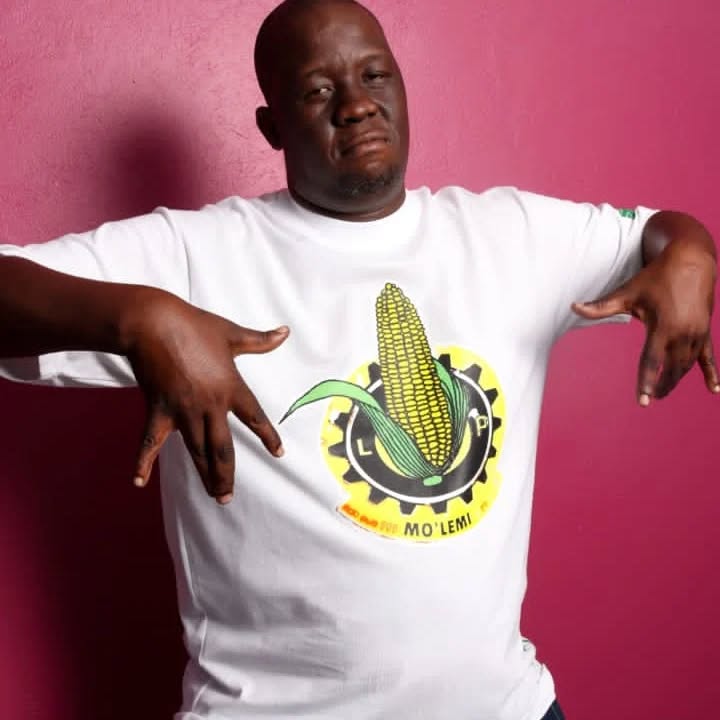
One of the most distinctive elements of Mo’Molemi’s journey is how deliberately he linked music and farming. He chose his rap name with intention, seeing music as a marketing tool for a future food brand. Over 15 years, he built recognition not just for songs, but for an idea.
This approach highlights a powerful strategy for entrepreneurs. Personal brands can act as launchpads for entirely different industries when there is alignment and clarity of purpose. Morule did not abandon his audience. He redirected it.
Instead of separating his identities, he fused them. Music opened doors, built trust and gave visibility to a farming operation that might otherwise have remained unknown.
Choosing Long Term Stability Over Short Term Applause
When Morule decided to step away from active music and focus on farming, the reaction was confusion. Friends questioned the move, but for him the logic was straightforward. He had studied the potential of agriculture and believed that a well stabilised farming business could support him for decades.
He has spoken openly about seeing farming as something he could still be doing at 80. That mindset shaped every decision that followed. It pushed him toward patience, reinvestment and operational thinking rather than chasing quick wins.
This turning point offers a practical insight for entrepreneurs. Sustainable businesses often require stepping away from what is loud and immediately rewarding, in favour of what compounds quietly over time.
Moving Beyond Production Into Processing and Retail
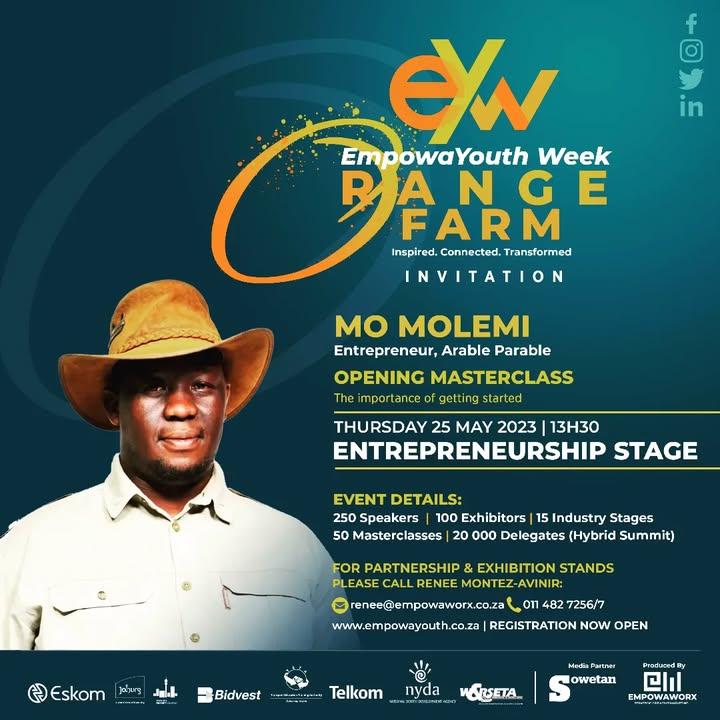
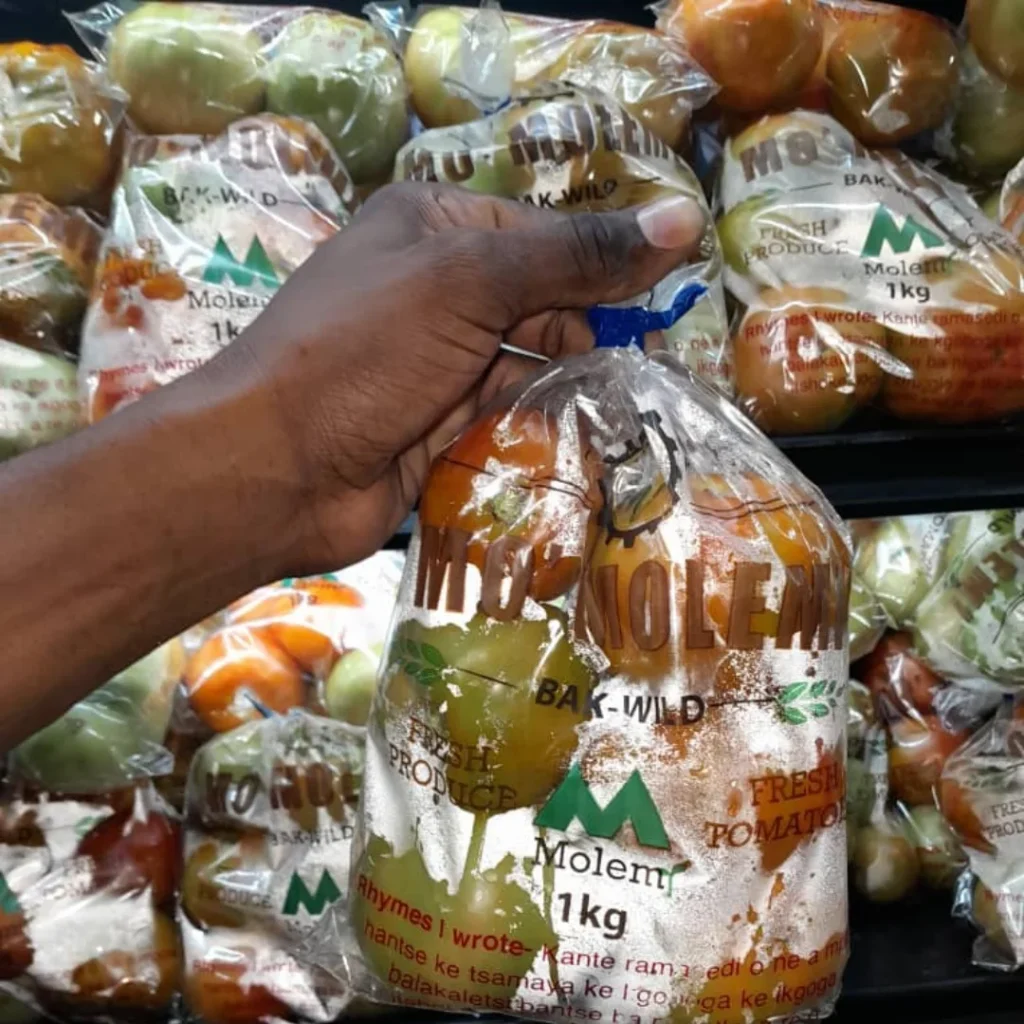
A critical milestone in Mo’Molemi’s journey came when he expanded beyond primary production. He ventured into processing vegetables, packaging them and supplying both formal and informal markets. This move signalled a shift from being only a producer to becoming a brand owner within the value chain.
He later opened the Bak-Wild farmers’ market, a project planned over time rather than rushed. The store sells fresh produce alongside Mo’Molemi merchandise, reinforcing brand identity while creating a direct route to consumers.
His experience reflects a real challenge in South Africa. Many farmers produce food, but few successfully launch food brands. By controlling packaging, retail and customer interaction, Morule strengthened his margins and visibility.
Building People While Building the Business
Mo’Molemi’s operation is not a solo effort. He employs ten people under his mentorship, including students from Taung Agricultural College and a graduate from North West University. This structure positions the farm as both a business and a training ground.
During the Covid 19 crisis, his work expanded further. Through his company, Arable Parable, he supplied hospitals, prisons and quarantine sites with food across the North West. He also distributed food hampers, ran an online delivery service and donated surplus produce to families in need.
These actions were not framed as charity branding exercises. He described them as duty. Farmer first, human first.
Lessons Aspiring Entrepreneurs Can Apply
Mo’Molemi’s journey reinforces several grounded business lessons. Build with a long horizon in mind. Use existing skills and platforms as leverage rather than abandoning them. Reinvest early earnings instead of inflating lifestyle. Expand along the value chain to protect margins. Most importantly, anchor your business in something you understand deeply.