
How Siyanda Dlamini Turned Industry Grit Into a Landmark Hospitality Brand

How Siyanda Dlamini Turned Industry Grit Into a Landmark Hospitality Brand. The story behind The Regency Apartment Hotel does not begin with capital or connections. It begins in 2001, with Siyanda Sabelo Dlamini earning R850 a month while working in the hospitality industry. That early exposure shaped more than his work ethic. It gave him a front-row seat to how hotels actually function, from guest service to operational pressure.
Born in Pietermaritzburg, Dlamini chose hospitality as a career path early on and committed to learning the industry in full. After graduating from the Cape Town Hotel School with a hotel management qualification, he entered an in-service training programme at Protea Hotel. For four years, he worked across different departments, gaining a ground-level understanding of hotel operations rather than limiting himself to management theory.
This foundation would later become one of his greatest strategic advantages.
Learning Every Layer of the Business
By the age of 25, Dlamini became a general manager at Protea Hotel, making him the youngest in the group at the time. Managing people old enough to be his parents forced him to mature quickly and lead with competence rather than authority.
This phase of his career highlights a key lesson for aspiring entrepreneurs. Leadership in service-based industries is earned through understanding the work, not avoiding it. Dlamini’s rise was not accidental. It was built on visibility, accountability and a willingness to learn every aspect of the business.

From Operator to Owner
Thirteen years into his hospitality career, Dlamini took a decisive step. He partnered with Key Spirit Development to create the first Regency Apartment Hotel in Menlyn, Pretoria. The project would eventually become a R350 million luxury hotel and took two years to build.
At one stage, the site was a raw construction zone with up to 1,000 builders on site at the same time. Carpenters, painters, pavers and installers from multiple companies had to be coordinated. Dlamini has spoken openly about the complexity of managing such a large operation, noting that it required discipline, planning and constant communication.
For entrepreneurs, this moment reflects an important transition. Moving from management to ownership requires a different level of responsibility. Risk becomes personal, and execution becomes everything.
Owning the Brand Identity
One of the most defining turning points in the Regency story was Dlamini’s control over the hotel’s design concept and brand identity. Rather than outsourcing vision, he took responsibility for how the hotel would look, feel and position itself in the market.
This decision ensured alignment between operations and branding. The hotel was not designed in isolation from how it would be run. Every choice was informed by years of on-the-ground hospitality experience.
To support the hotel’s market entry, Dlamini partnered with sales managers to actively source business. This reinforced a practical truth. Even premium hospitality brands require deliberate sales strategy to gain traction.

People as the Core Asset
Dlamini’s leadership philosophy places strong emphasis on people. One of his notable decisions was to in-source cleaning staff rather than outsource the function. He has stated that some of his most valuable lessons came from employees often viewed as lower rank.
This approach builds ownership and pride within the workforce. By ensuring employees feel part of the brand, the business benefits from loyalty and accountability that cannot be bought through contracts alone.
For business owners, this highlights a lesson often overlooked. Culture is not created through slogans. It is created through decisions that show respect.
Expanding a Hospitality Portfolio
Beyond The Regency Apartment Hotel, Dlamini also owns River Meadow Manor, a four-star boutique hotel in Centurion. While different in scale and positioning, both properties reflect the same commitment to quality, service and operational control.
His plans to collaborate with hotel management schools to create real-life training environments further demonstrate a long-term view of industry development. By linking education to employment, Dlamini reinforces a cycle of skills transfer and opportunity.
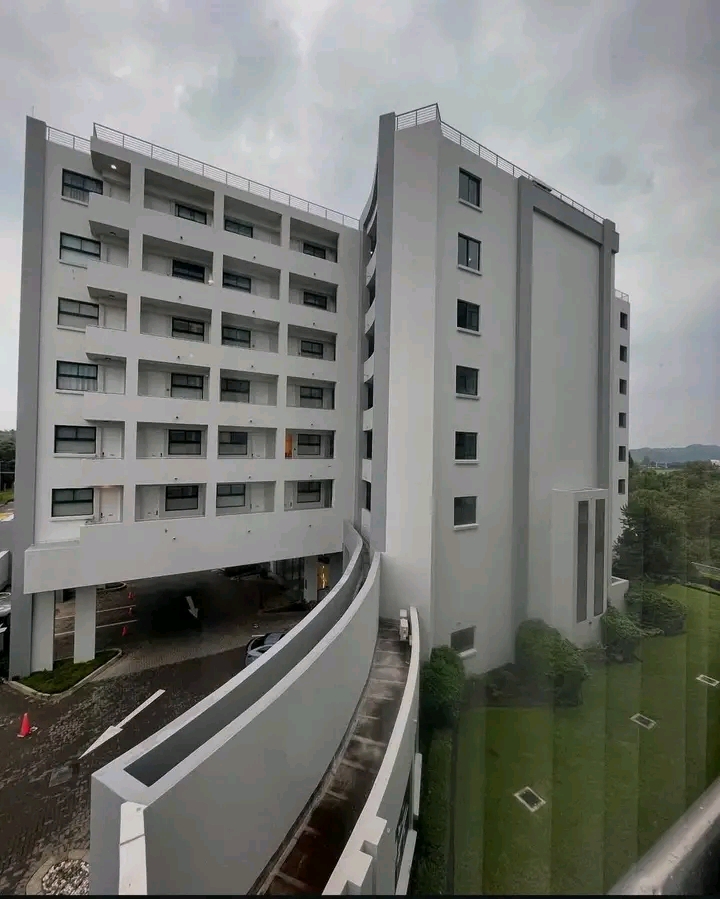
Lessons From The Regency Apartment Hotel
The journey behind The Regency Apartment Hotel offers grounded lessons. Start where you are and learn deeply. Master operations before chasing ownership. Build partnerships that complement your strengths. Take control of your brand identity. Invest in people as seriously as you invest in infrastructure.
Dlamini’s own words capture the mindset behind his success: “If you’re not willing to go the extra mile you will not get to the other side.”