Inside the Expansion Logic That Built SUPER GROUP Into a Multi Division Transport Powerhouse
Inside the Expansion Logic That Built SUPER GROUP Into a Multi Division Transport Powerhouse. The growth of a logistics empire rarely happens by chance. It is shaped by structure, timing, and the ability to expand with purpose rather than impulse. The rise of SUPER GROUP, led by founder and CEO Peter Mountford, reflects a business built through layered expansion and strategic diversification across the transportation and supply chain landscape.
What began as a transportation driven enterprise has evolved into a broad mobility and logistics ecosystem with more than 8 000 trucks and multiple specialised divisions. The company’s development offers a clear view into how scale is built step by step through operational focus, sector specialisation, and structural growth.
This is not simply a story about transport. It is a story about building capability across an entire logistics value chain.
Building Scale Through Structured Specialisation
One of the most defining characteristics of SUPER GROUP is its structure. Rather than operating as a single generalised transport provider, the business developed specialised divisions focused on distinct logistics needs.
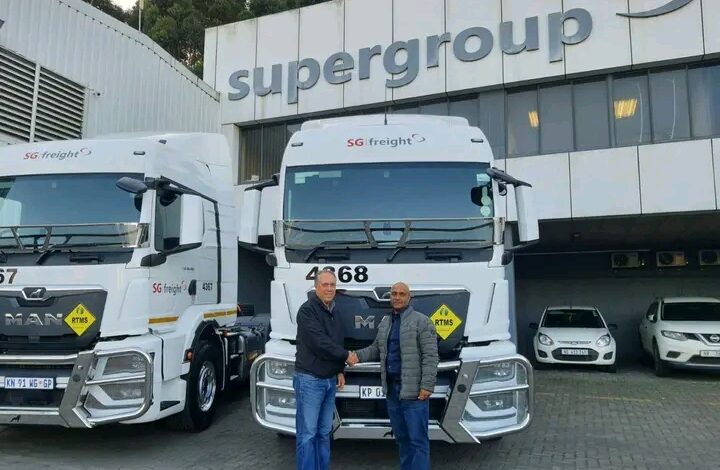
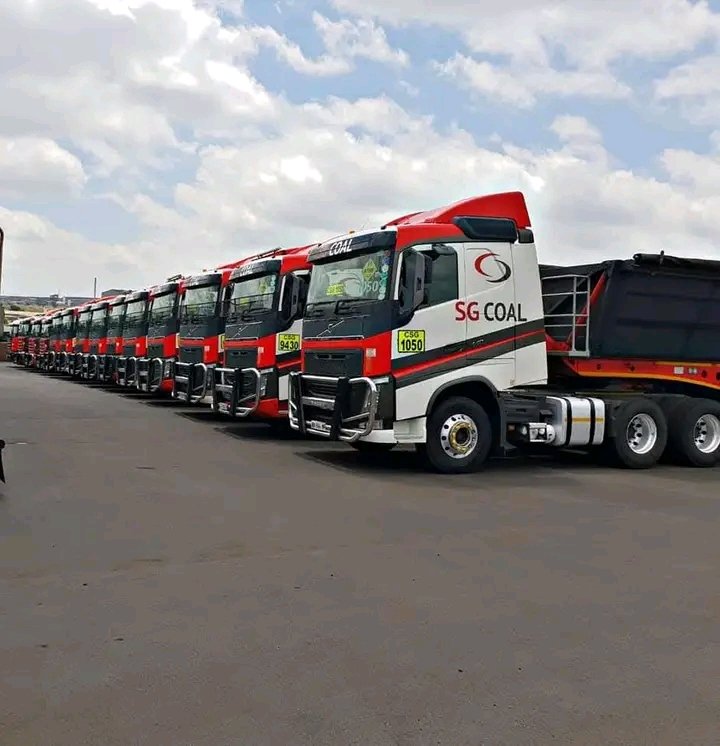
These include SG Coal, which operates from Middleburg transporting coal and chrome, and SG Freight, which handles both national and cross border transportation of liquids and general freight.
Specialisation allows each division to develop operational depth within its segment. Different cargo types require different infrastructure, compliance standards, and handling processes. By separating these functions into dedicated units, the business can optimise performance rather than dilute expertise.
For entrepreneurs, this structure reveals an important growth principle. Expansion is not just about getting bigger. It is about becoming more precise.
Extending Control Across the Supply Chain
Another major turning point in the company’s evolution has been its move beyond transportation into broader supply chain management.
This includes Digistics, which specialises in multi temperature distribution for the quick service restaurant industry. Temperature controlled logistics introduces technical complexity, but it also positions the business closer to end market delivery.
The expansion continues with SG Consumer, which provides warehousing, planning, and distribution for fast moving consumer goods and healthcare sectors.
These capabilities transform the company from a transporter into a supply chain partner. Instead of moving goods from one point to another, the business manages storage, planning, and delivery integration.
Entrepreneurs can learn a powerful lesson here. The more stages of value creation a company controls, the stronger its market position becomes.
Diversifying Transport Capabilities Across Industries
SUPER GROUP’s structure reflects deliberate diversification across different logistics demands. Each division addresses a specific transport requirement with dedicated expertise.
Bulk transport is handled through SG Bulk, which focuses on specialised cargo such as fuel and dry powder materials. Fuel transportation itself is further supported by SG Fuel, reinforcing depth within energy related logistics.
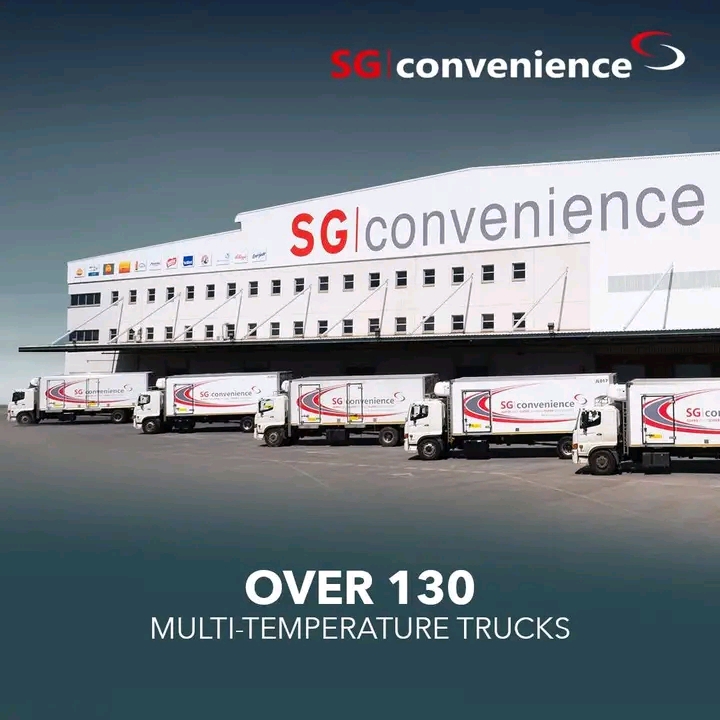
Consumer distribution operates at scale through SG Convenience, which supplies thousands of locations including fuel forecourts, retail outlets, and hospitality venues.
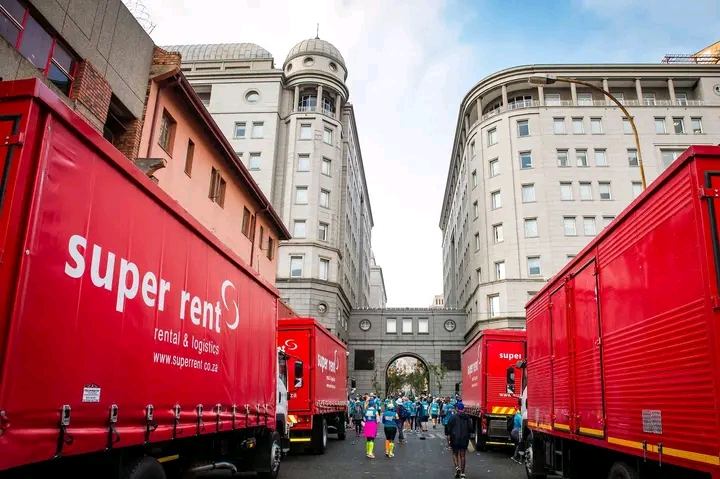
Even mobility for passengers forms part of the ecosystem through Lux Liner, offering premium coach transport services, while commercial vehicle access is supported by Super Rent, providing truck and van hire across varying timeframes.
This breadth illustrates strategic diversification without losing operational coherence. Every division still connects to transport, movement, or supply chain flow.
Growth becomes sustainable when expansion remains aligned with core capability.
Scaling Through Infrastructure and Fleet Capacity
Operating more than 8 000 trucks reflects more than numerical growth. It signals investment in infrastructure, fleet management systems, maintenance capacity, and operational coordination.
Large scale logistics requires consistency across routes, compliance frameworks, and scheduling systems. Scaling physical assets without scaling operational systems creates risk. The company’s growth demonstrates coordinated expansion between equipment and management capability.
For entrepreneurs, scale is not simply about increasing volume. It is about ensuring systems evolve at the same pace as output.
Lessons Entrepreneurs Can Apply Immediately
The development of SUPER GROUP offers practical lessons grounded in structural growth rather than short term momentum.
Build specialised units rather than generalised operations.
Expand into adjacent stages of the value chain to strengthen market position.
Diversify within core capability instead of moving into unrelated sectors.
Scale infrastructure and operational systems together.
Treat expansion as structured architecture rather than rapid accumulation.
Each of these principles reflects deliberate design rather than reactive growth.
A Logistics Ecosystem Built With Intent
SUPER GROUP represents what happens when expansion follows structure. Each division adds capability. Each capability strengthens control across supply chain movement. Each layer reinforces the company’s role in logistics delivery.
The result is a multi division enterprise shaped by operational precision and strategic breadth.
For aspiring entrepreneurs, the message is clear. Sustainable scale is rarely accidental. It is engineered through focus, structure, and disciplined expansion that builds capability one layer at a time.