
From First Steps to 1,300 Hectares: The Real Growth Story Behind Tusokuhle Farming
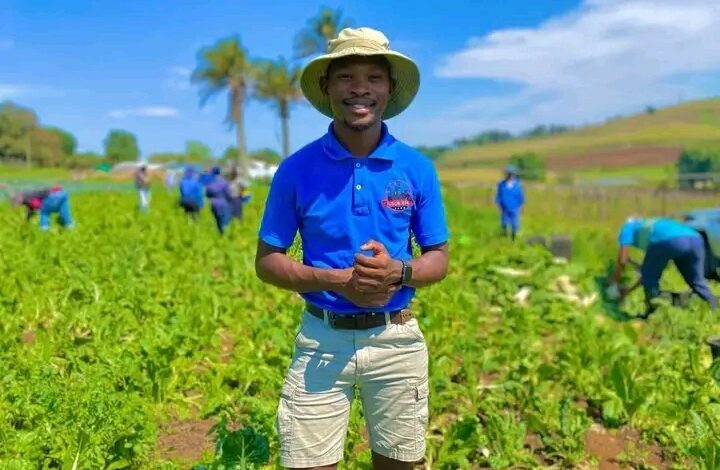
From First Steps to 1,300 Hectares: The Real Growth Story Behind Tusokuhle Farming. The story of Andile Ngcobo does not begin with land ownership or scale. It begins with a deliberate decision to learn. In 2013, he enrolled at Cedara College of Agriculture, a move that would lay the technical and practical foundation for everything that followed.
Instead of rushing into entrepreneurship, he chose to build experience first. After completing his studies, he worked on commercial farms, gaining firsthand exposure to how established operations function. This phase is often overlooked by aspiring entrepreneurs, but it became one of the most important stages in his journey.
The lesson here is clear. Before scaling anything, understand the system you are entering. Practical experience reduces costly mistakes and sharpens decision making early.
Becoming a first generation farmer and taking ownership
At the age of 24, Andile Ngcobo stepped into farming as a first generation farmer. Without a legacy farm to inherit, he had to build from the ground up. He started by managing a 30 hectare farm, a scale that required hands on involvement in every aspect of operations.
This stage was not about rapid expansion. It was about learning how to manage land, resources, and people effectively. Running a farm at this size forces discipline. It demands attention to productivity, cost control, and consistency.
For entrepreneurs, this is a powerful reminder that small beginnings are not limitations. They are training grounds. Starting at a manageable scale allows for experimentation, learning, and refinement before taking bigger risks.
Scaling with intent and building operational strength
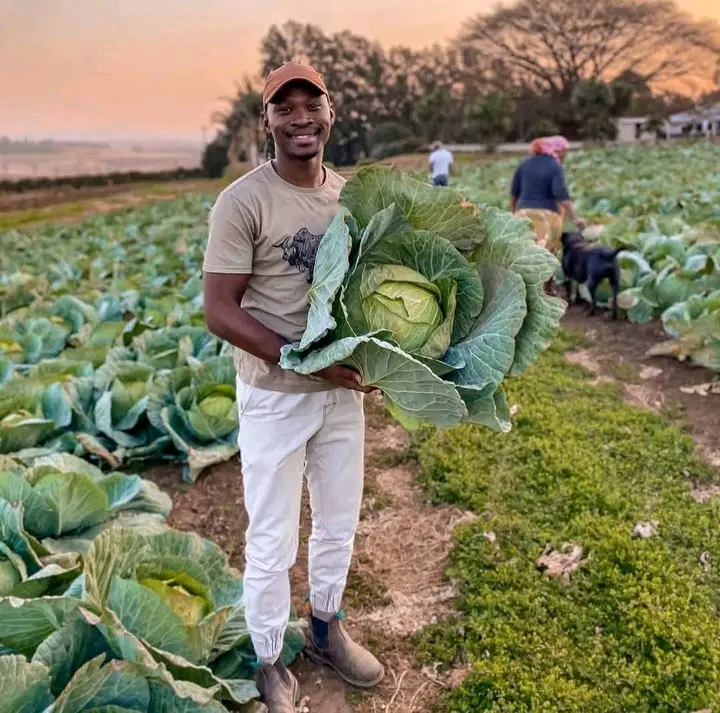
The transition from managing 30 hectares to owning a 1,300 hectare farm did not happen overnight. It reflects a period of calculated growth and operational strengthening.
Today, Tusokuhle Farming operates at a scale that supports 40 permanent workers and 108 seasonal workers. This level of employment signals more than growth. It reflects the ability to manage a workforce, plan for seasonal demand, and maintain consistent production.
Scaling a business is not just about increasing size. It is about building systems that can handle complexity. Labour management, production planning, and operational efficiency become critical at this stage.
One key takeaway is that growth must be supported by structure. Expanding without systems leads to breakdowns. Expanding with systems creates stability.
Market access as a turning point
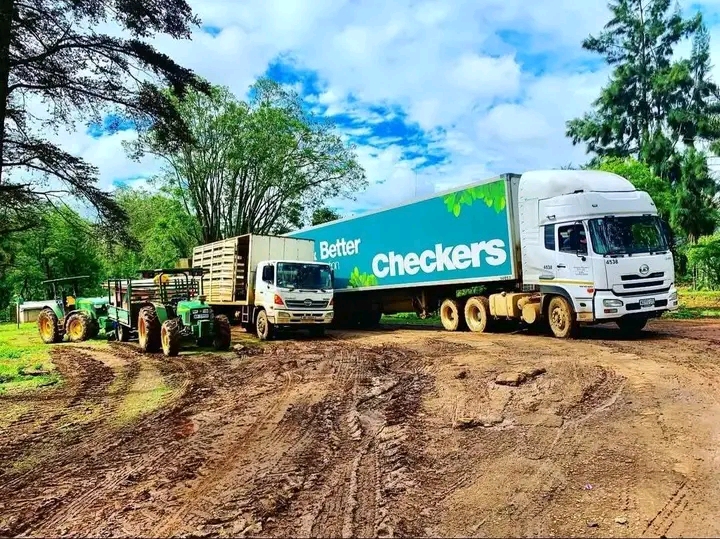
A defining milestone in the Tusokuhle Farming journey is its ability to supply produce to major retailers such as Shoprite and Checkers, along with other retailers and local supermarkets.
Securing retail partnerships changes the trajectory of any agricultural business. It introduces consistent demand, higher standards, and the need for reliability. Supplying large retailers requires meeting strict quality, packaging, and delivery expectations.
This is where strategic positioning comes into play. Instead of focusing only on production, the business aligns itself with formal markets that offer scale.
For entrepreneurs, the lesson is simple but powerful. Growth accelerates when you connect your product to strong distribution channels. Producing is only one part of the equation. Access to markets is what drives revenue and sustainability.
Diversification through livestock
Beyond crop production, Tusokuhle Farming includes a herd of different livestock. This diversification strengthens the business by reducing dependence on a single revenue stream.
In agriculture, variables such as weather, input costs, and market prices can shift quickly. Having multiple income streams creates a buffer against uncertainty.
Diversification is not about doing everything at once. It is about adding complementary operations that enhance stability. In this case, livestock adds another layer to the business model.
Entrepreneurs in any industry can apply this thinking. Relying on one product or service increases risk. Expanding strategically can create resilience.
Employment and impact at scale
Employing both permanent and seasonal workers highlights another dimension of Tusokuhle Farming. It is not just a business. It is an economic contributor.
Seasonal employment aligns with the natural cycles of farming, while permanent roles ensure continuity. Managing this balance requires planning and adaptability.
This reflects a broader lesson about growth. As a business expands, its responsibilities grow too. Leadership shifts from individual effort to team coordination.
Building a team is not just about hiring. It is about creating a structure where people can contribute effectively.
Lessons entrepreneurs can apply immediately
The journey of Tusokuhle Farming offers practical lessons that go beyond agriculture.
Start with education and real world exposure. Knowledge reduces risk and builds confidence.
Begin at a manageable scale. Small operations allow you to learn without overwhelming pressure.
Focus on systems before scaling. Growth without structure leads to inefficiencies.
Secure strong market channels. Access to reliable buyers drives sustainable income.
Diversify strategically. Multiple income streams protect the business from uncertainty.
Invest in people. A strong team enables long term growth.
Each of these lessons is grounded in what has already been done, not theory.
A journey defined by steady progress
The rise of Tusokuhle Farming is not built on shortcuts or sudden breakthroughs. It is defined by steady progress, informed decisions, and a clear understanding of the agricultural landscape.
From a student at Cedara College to managing land and eventually owning a 1,300 hectare operation, Andile Ngcobo’s path reflects what is possible when preparation meets opportunity.