
Amani Gin Is Playing the Long Game and That Might Be Its Greatest Advantage Yet
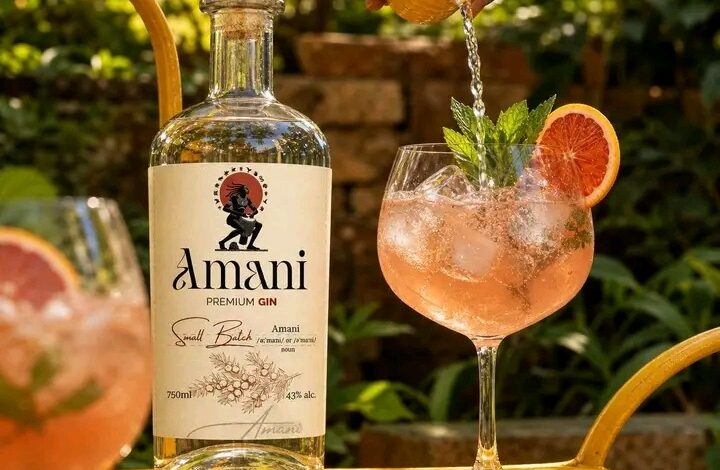
Amani Gin Is Playing the Long Game and That Might Be Its Greatest Advantage Yet. There is a particular kind of confidence that comes from building something without pretending it is already finished. In a startup world obsessed with overnight success stories, polished projections, and exaggerated wins, the story behind Amani Gin feels noticeably different.
The brand, founded by Damian Mogale, is not positioning itself as an instant empire. Instead, it is embracing something far more difficult: patience.
Earlier this year, Damian launched Amani Gin, a premium South African craft gin created for consumers who want more than just another bottle on a shelf. The vision was not simply about producing alcohol. It was about building an experience and a story people could connect with.
What makes the journey compelling is not explosive scale or flashy celebrity endorsements. It is the deliberate approach behind the business.
Damian openly admits that profitability is not the immediate focus. That level of transparency is uncommon, especially in industries where perception often moves faster than reality. Yet that honesty may be one of the brand’s strongest strategic advantages.
Building Before the Applause Arrives
Many entrepreneurs delay launching because they fear the early stages will not look impressive enough. Damian took the opposite approach. He started building before the guarantees arrived.
That decision reflects an important entrepreneurial lesson: momentum matters more than perfection.
According to the information shared about the brand, Damian understood that traction begins with creating something people genuinely enjoy. Instead of chasing rapid expansion immediately, the focus became product experience, customer response, and repeat purchases.
That matters because customer return rates often say more about a brand’s future than social media hype ever could.
Amani Gin’s early story shows how businesses can benefit from concentrating on foundation before scale. Too many brands try to expand before they fully understand their audience. Damian appears to be doing the reverse. He is allowing the market to respond organically while refining the business gradually.
For aspiring entrepreneurs, this offers a practical takeaway: validation is not always loud. Sometimes it is simply customers returning again and again.
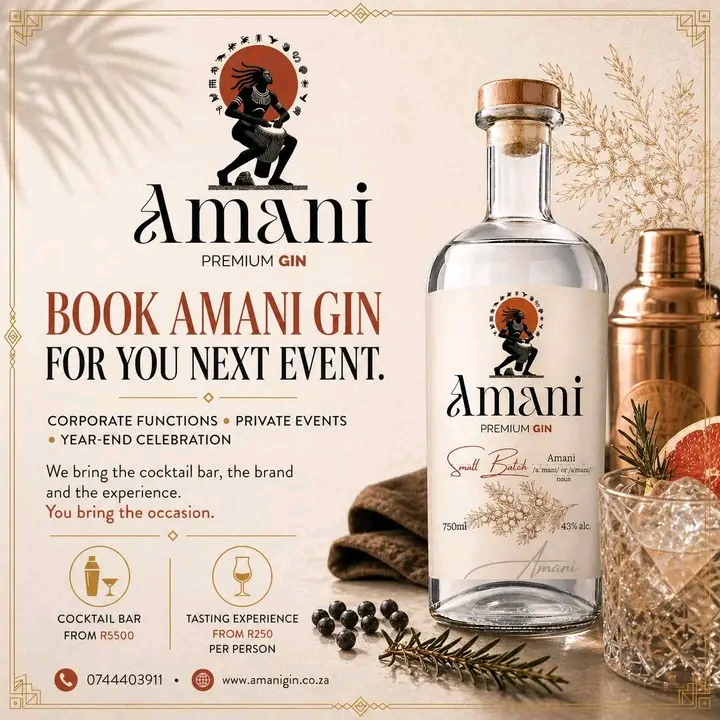
Selling a Story, Not Just a Product
The premium beverage market is crowded. New labels appear constantly, all competing for attention. Standing out requires more than attractive packaging.
Amani Gin positioned itself around identity and emotional connection.
The brand was created for people who “do not just want a drink, they want a story in the glass.” That statement reveals a deeper understanding of modern consumer behavior. Buyers increasingly want meaning attached to the products they support. They want personality, authenticity, and connection.
This is especially important for independent brands entering competitive industries.
Rather than trying to imitate global liquor giants, Amani Gin leans into its individuality. That creates differentiation. Consumers can buy gin anywhere, but storytelling creates memorability.
Entrepreneurs across industries can learn from this strategy. Whether selling fashion, skincare, food, or technology, products become stronger when customers emotionally connect with the mission behind them.
The Power of Honest Entrepreneurship
One of the most striking aspects of Damian’s journey is his willingness to publicly acknowledge that profitability may take time.
That level of realism is refreshing.
Modern entrepreneurship often rewards appearances. Social platforms are filled with founders presenting growth before stability exists. But sustainable businesses are rarely built in a straight line.
Damian’s approach reflects long-term thinking. Instead of chasing immediate profit, the current focus appears to be trust, consistency, and product acceptance.
That mindset can help businesses survive difficult early stages.
The reality is that strong brands are usually built through repetition, operational learning, and gradual customer acquisition. By accepting that process instead of resisting it, entrepreneurs place themselves in a stronger position psychologically and strategically.
The lesson here is simple but powerful: sustainable growth often requires resisting the pressure to look successful before the business is ready.

Why Returning Customers Matter More Than Noise
One detail stands out strongly in Amani Gin’s story: customers are coming back.
That is significant.
Repeat customers are one of the clearest indicators that a product is resonating. Marketing may generate first-time purchases, but quality creates loyalty.
For a premium craft brand, loyalty is everything.
It suggests the product experience aligns with customer expectations. It also creates the possibility of word-of-mouth growth, one of the most valuable forms of marketing any startup can achieve.
Brands that generate organic recommendations usually spend less energy forcing visibility because satisfied customers become ambassadors naturally.
Entrepreneurs should pay attention to this lesson carefully. Viral attention is temporary. Customer trust compounds.
A Foundation Built Bottle by Bottle
Amani Gin’s story is still unfolding, but its early direction already highlights several important business principles: patience, honesty, differentiation, and customer experience.
Damian Mogale is not presenting himself as someone who has already “made it.” Instead, he is showing what disciplined brand-building actually looks like in real time.
That may ultimately become the company’s greatest strength.
In a market where many businesses try to sprint toward recognition, Amani Gin appears focused on earning credibility slowly and deliberately. One customer. One bottle. One experience at a time.