
Farmers Urged to Step Up Prevention as Bovine Respiratory Disease Risks Rise
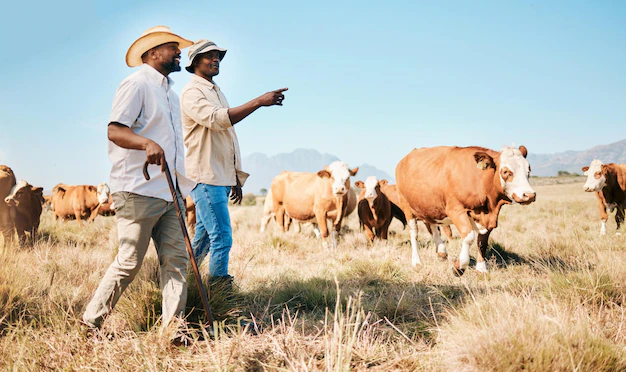
Farmers Urged to Step Up Prevention as Bovine Respiratory Disease Risks Rise. As colder weather settles across South Africa, cattle farmers are being urged to strengthen herd health management practices to reduce the risk of Bovine Respiratory Disease (BRD), a persistent and costly challenge in the livestock sector.
According to Beefmaster Group animal health specialist Thapelo Kgosi Ramokala, outbreaks of BRD often occur during seasonal transitions, particularly from late summer into autumn and winter. He explains that the disease is not caused by a single pathogen but by a combination of factors that weaken the immune system. Stress from weaning, transport, and commingling, combined with seasonal changes, creates conditions for viral and bacterial infections to thrive..
BRD is considered a multifactorial disease involving several viral agents such as bovine herpesvirus (IBR), bovine viral diarrhoea virus (BVD), parainfluenza-3, and bovine respiratory syncytial virus (BRSV). These viruses compromise natural immune defences, leaving cattle vulnerable to secondary bacterial infections that affect the lungs.
Ramokala stresses that early detection is critical. Farmers should watch for warning signs including fever, nasal discharge, coughing, reduced feed intake, depression, and laboured breathing. Identifying and treating affected animals promptly can significantly improve recovery outcomes and limit disease spread.
Preventative herd health management remains one of the most effective strategies. Ramokala highlights vaccination, low-stress handling, proper nutrition, and close monitoring during high-risk periods such as weaning and feedlot entry as essential measures. Vaccination against respiratory disease is widely used, including for pregnant cows, as it protects both the mother and provides early immunity to calves through colostrum.
He recommends vaccinating beef calves around weaning with multivalent modified live viral vaccines, either alone or combined with Mannheimia haemolytica and Pasteurella multocida bacterins. Alongside vaccination, maintaining good nutrition and reducing stress through sound herd management practices are key to prevention.
When infections do occur, Ramokala advises prompt treatment to reduce transmission and improve recovery. Antibiotics are typically used to address bacterial infections, while anti-inflammatory medication helps reduce fever and lung inflammation. Affected animals should be isolated in hospital pens to prevent further spread and allow closer monitoring.
With seasonal changes increasing the risk of BRD, Ramokala’s message is clear: proactive herd health management and vigilance are vital to protecting cattle and safeguarding farmers against the economic impact of this disease.