
How Bokang Lehloenya Turned a Traditional Drink Into an Award Winning Retail Brand

How Bokang Lehloenya Turned a Traditional Drink Into an Award Winning Retail Brand. There is something powerful about a business that starts with a familiar taste from home. Not a trend imported from overseas. Not a product designed to chase hype on social media. Just a deeply personal recipe, shaped by culture, memory, and persistence.
That is what makes the story of Wa Rona Motoho stand out.
Founded by Bokang B Lehloenya, WA RONA Food Enterprise Pty Ltd transformed a traditional sorghum based porridge drink into a growing retail product stocked in selected Spar stores, Roots Butchery, and supermarkets in the Free State. What began as a small informal operation selling to neighbours and friends in Thandanani, Welkom, evolved into an award winning agro processing business recognised on provincial and national stages.
But the real lesson behind Wa Rona Motoho is not only about the product itself. It is about understanding authenticity, identifying overlooked opportunities, and building a brand rooted in cultural trust.
A Business Idea Hidden Inside Everyday Life
Some entrepreneurs spend years searching for groundbreaking business ideas while overlooking the opportunities already sitting inside their daily lives.
For Bokang Lehloenya, the inspiration came from something her family already made at home.
She explained that sour soft porridge was frequently served to guests, and people consistently commented on its unique taste, encouraging her to sell it. That repeated feedback became the spark that pushed her toward entrepreneurship.
The turning point came when she decided to test the market herself by buying sorghum and sugar and selling the product on the streets to observe customer reactions.
That decision reflects one of the most important entrepreneurial lessons: market validation often begins with small experiments.
Instead of investing huge amounts of money upfront, Bokang started by observing how real people responded to the product. The strong reception confirmed there was demand before the business expanded further.
Many successful businesses begin this way. A founder notices that people naturally keep coming back for a product or service long before the business becomes formalised.
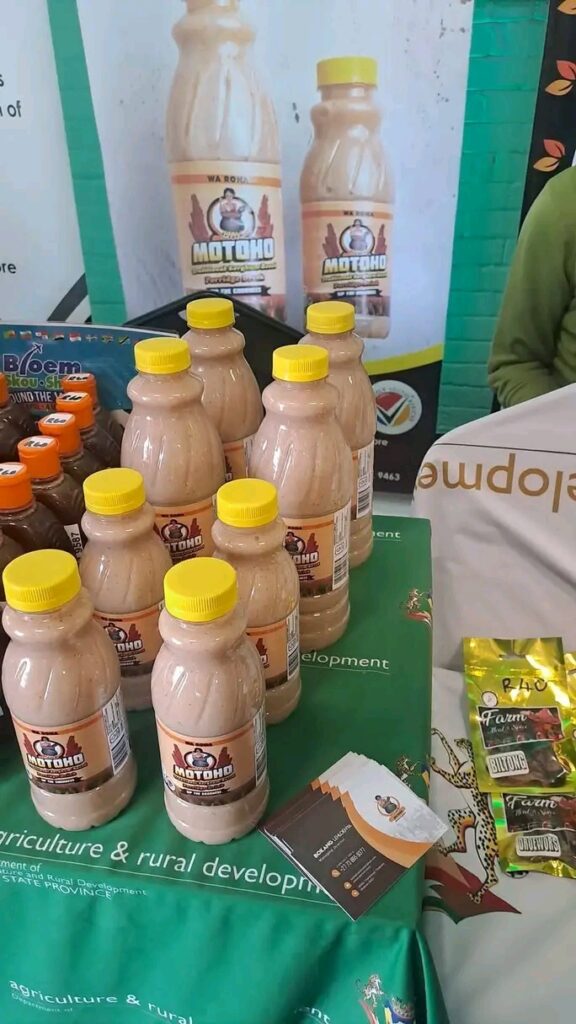
Authenticity Became the Brand’s Greatest Strength
One of the strongest themes in the Wa Rona Motoho story is authenticity.
Bokang repeatedly emphasised that the taste of WA RONA “motoho wa sebele” was difficult to master because she wanted it to maintain a natural flavour. She distinguished her product from chemically altered alternatives on the market by focusing on traditional fermentation processes driven by microorganisms in a carefully controlled environment.
That commitment became more than a production choice. It became the brand identity.
In modern business, consumers are increasingly drawn toward products that feel genuine, transparent, and culturally rooted. WA RONA did not try to imitate mass produced beverages. Instead, it leaned into tradition and preserved the identity of motoho itself.
This is a major lesson for entrepreneurs.
Brands often become more powerful when they embrace what makes them different instead of trying to copy dominant players in the market. Authenticity creates emotional connection, especially when customers can feel the founder’s belief in the product.
For Bokang, preserving the natural taste was not just about flavour. It was about protecting cultural integrity.
Turning Personal Struggles Into Motivation
Another important layer of this journey is resilience.
After graduating from the Central University of Technology with a National Diploma in Language Practice, Bokang struggled to find employment. She openly shared that the lack of job opportunities pushed her into depression before she decided to take control and build something for herself.
That decision changed the direction of her life.
Instead of remaining trapped in frustration, she redirected her energy into creating a product and building a company. Importantly, she started the business using her own savings rather than relying on her father’s pension fund.
That level of personal responsibility says a lot about her mindset as an entrepreneur.
Many people wait for perfect conditions before starting. Bokang started despite uncertainty, limited resources, and emotional pressure. Her story shows that entrepreneurship often begins when people stop waiting for external rescue and begin creating opportunities themselves.

Growth Became Possible Through Strategic Support
One of the smartest moves in the growth of WA RONA Food Enterprise was leveraging available business support systems.
The Small Enterprise Development Agency provided Bokang with business coaching, development training, and marketing support. She was later referred to the National Youth Development Agency, where the business received R50,000 in grant funding.
This support contributed to increasing turnover and helped strengthen the company’s operational foundation.
Entrepreneurs sometimes make the mistake of trying to grow entirely alone. Bokang’s journey highlights the importance of using available ecosystems strategically.
Mentorship, coaching, and funding programmes can help small businesses improve operations, sharpen marketing, and prepare for retail expansion.
Her ability to move from informal street sales to retail shelves also demonstrates the importance of scalability. Once a product gains consistent customer demand, entrepreneurs must prepare systems capable of meeting larger supply requirements.
That became even more evident when the Department of Economic Development, Tourism and Environmental Affairs donated a bakkie to support the company’s growing retailer demands.
Recognition Helped Build Credibility
Awards became another major turning point in the Wa Rona Motoho journey.
Bokang won Best Agro Processor and Top Overall Achiever at the Free State Women Entrepreneur Awards and was named the overall winner. Her business also received the Startup Business of the Year award at the Second National Presidential Awards ceremony.
Recognition matters because it builds trust me.
For small brands entering competitive markets, awards and public recognition act as social proof. Retailers, customers, and business partners become more confident in a product when they see external validation.
But importantly, those awards came after years of consistent work, product development, and customer building.
That is another valuable lesson for entrepreneurs. Visibility is most powerful when it is backed by substance.
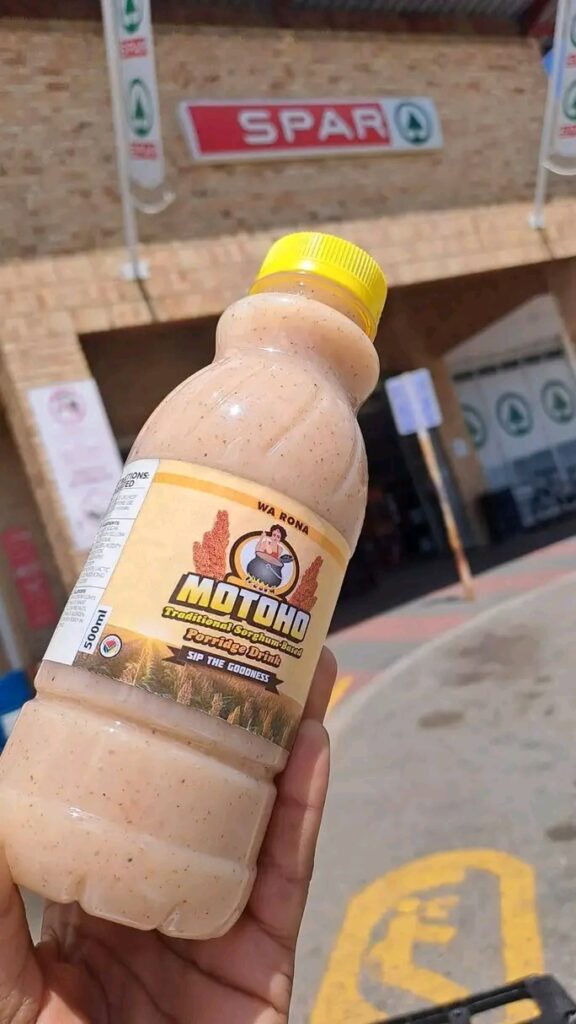
Why Wa Rona Motoho’s Story Matters
The rise of WA RONA “motoho wa sebele” represents more than a beverage success story. It reflects the growing power of culturally rooted businesses in South Africa.
Bokang Lehloenya built a company by trusting a product connected to tradition, refining quality obsessively, and remaining committed to authenticity even while scaling into retail.
Her journey proves that successful brands do not always emerge from trendy industries or massive startup funding. Sometimes they grow from ordinary kitchens, community feedback, and the courage to take a familiar product seriously.
For aspiring entrepreneurs, the message is clear: your greatest business opportunity may already exist inside the skills, traditions, and experiences you know best.