How Paserene Turned Storytelling, Partnership, and Precision Into a Luxury South African Wine Brand
How Paserene Turned Storytelling, Partnership, and Precision Into a Luxury South African Wine Brand. Luxury wine brands are often associated with heritage estates that stretch back generations. But the story behind Paserene proves that modern wine brands can carve out their own place in a competitive industry through authenticity, collaboration, and a relentless commitment to quality. Founded by Martin Smith and Ndavhe Mareda, Paserene has become one of the standout boutique wineries in Franschhoek by focusing on something deeper than wine alone. The brand built its identity around experience, artistry, and human connection.
From its award-winning wines to its carefully curated tasting experience, Paserene’s journey offers important lessons for entrepreneurs looking to build a premium brand with lasting impact.
A Shared Vision Became the Foundation
Every successful business starts with alignment, and Paserene’s story is rooted in partnership.
Ndavhe Mareda’s passion for South African wine led him to connect with Martin Smith after learning about Martin’s vision for creating a new wine brand. Instead of building a conventional winery focused purely on production volume, the pair shared a goal of producing world-class wines driven by creativity and authenticity.
That shared vision became one of the company’s greatest strengths.
Martin later described the partnership as an “army of ants,” emphasizing the power of collaboration and collective effort. That philosophy shaped the culture of the brand itself. Rather than centering the business around one personality, Paserene grew through combined strengths, perspectives, and expertise.
For entrepreneurs, this highlights a critical lesson: strong partnerships work best when both people are united by purpose rather than ego. Businesses often scale faster and make better decisions when founders complement one another’s skills and philosophies.
Building a Brand Around Emotion and Experience
One of the smartest decisions Paserene made was positioning itself as more than a wine label.
The company consistently emphasizes “sense of place and people” across its wines, artwork, and tasting experiences. This gave the brand emotional depth in a highly competitive luxury market.
Wine consumers today are not simply buying bottles. They are buying stories, identity, atmosphere, and memory. Paserene understood this early.
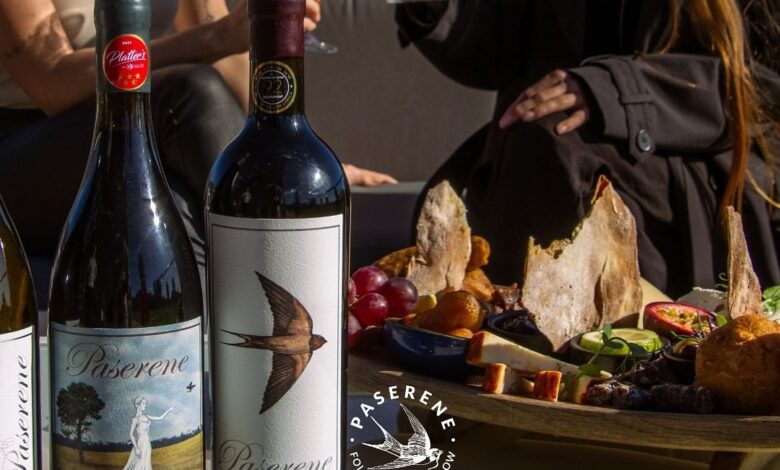
The brand’s name itself reflects that philosophy. Derived from the Latin word Passeriformes, referring to travelling and free birds such as swifts and swallows, the name immediately evokes movement, elegance, and freedom. That symbolism helped create a distinct identity that separates the winery from more traditional competitors.
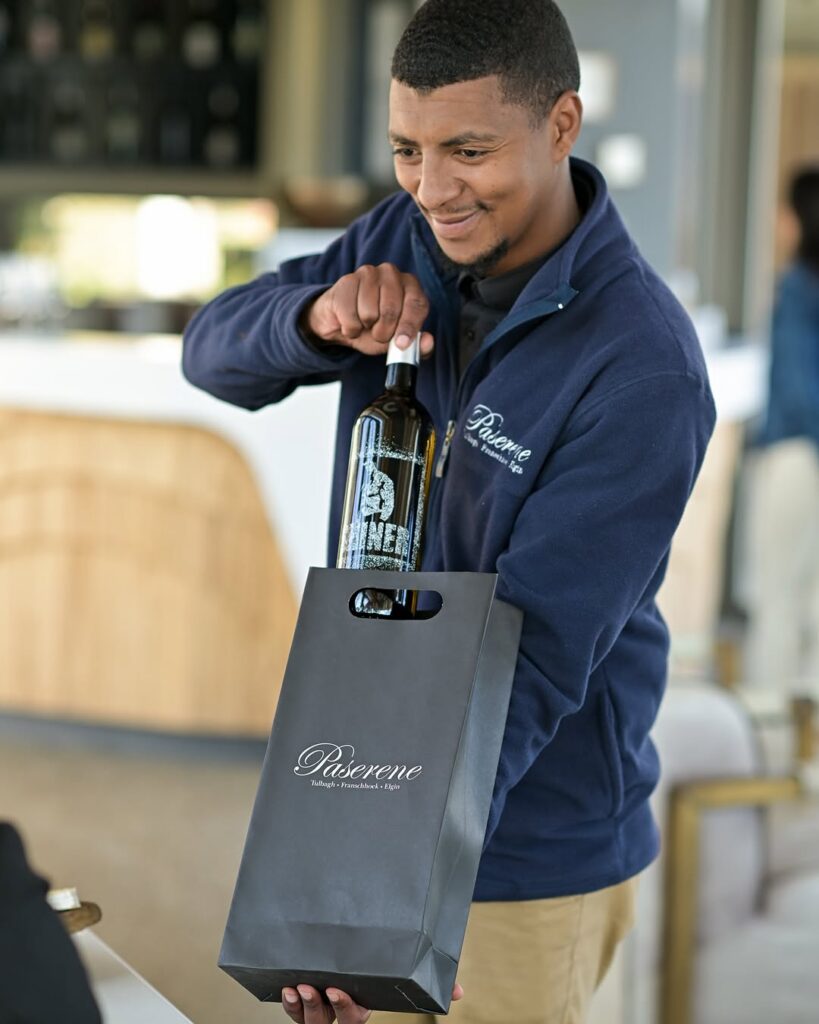
The tasting lounge in Franschhoek also became part of the brand strategy. Rather than treating tastings as transactions, Paserene created an environment designed around opulence, authenticity, and connection. Customers are invited to slow down, experience the scenery, and associate the wines with unforgettable moments.
This approach offers an important lesson for entrepreneurs: products alone rarely build premium brands. Experiences do.
Businesses that create emotional connections around their products often develop stronger customer loyalty and word-of-mouth marketing.
Using Authenticity as a Competitive Advantage
Paserene’s rise also reflects the growing importance of authenticity in luxury industries.
Martin Smith’s background as a third-generation winemaker brought genuine credibility to the brand. Born in Ashton and raised in Worcester, Martin grew up surrounded by stories of wine-making. Listening to conversations around the kitchen table and watching his father’s wine bottling business shaped his understanding of the industry from an early age.
At just 13 years old, he already knew he wanted to make wine.
That personal connection to the craft became part of the brand’s identity. Paserene did not manufacture artificial heritage. Instead, it leaned into real experience, passion, and knowledge.
For entrepreneurs, this demonstrates that authenticity can become one of the most valuable assets in branding. Consumers increasingly recognize when stories are forced or overly commercialized. Genuine passion creates stronger trust and long-term credibility.
Turning Boutique Positioning Into Strength
Many businesses make the mistake of chasing mass appeal too early. Paserene chose a different route by positioning itself as a boutique winery producing high-end luxury wines.
That decision helped the brand maintain exclusivity and focus on quality over scale.
In luxury markets, scarcity and craftsmanship often create greater value than volume. Paserene concentrated on building a refined identity rather than competing in crowded lower-price segments.
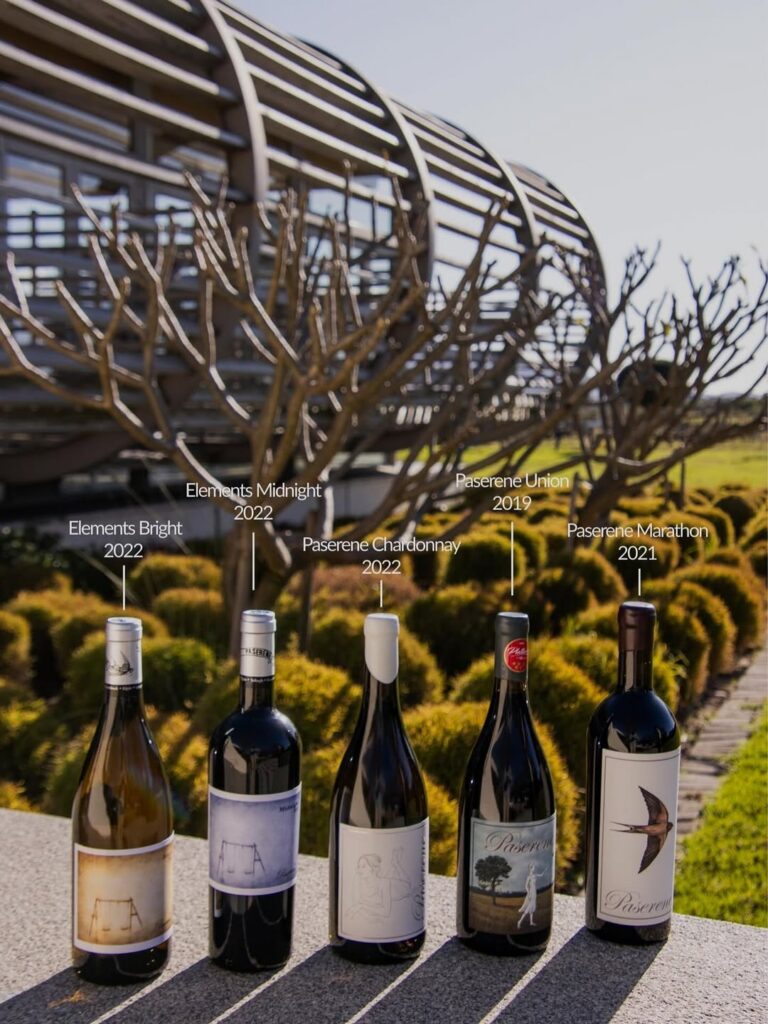
The winery’s attention to detail extended beyond the wine itself. Label artwork, tasting spaces, and storytelling all contributed to a cohesive premium experience.
Entrepreneurs can learn an important lesson here: trying to serve everyone often weakens a brand. Businesses that clearly define their market position usually create stronger customer loyalty and clearer differentiation.
Paserene understood exactly what kind of brand it wanted to become and stayed consistent with that vision.
Creativity Helped the Brand Stand Out
Wine is one of the oldest and most competitive industries in the world. Standing out requires more than technical skill.
Paserene used creativity strategically across its branding and customer experience. The emphasis on art, storytelling, and atmosphere gave the winery a contemporary edge while still respecting traditional wine-making values.
This balance between heritage and innovation became one of the company’s defining strengths.
For entrepreneurs, the takeaway is clear: innovation does not always require reinventing an industry. Sometimes innovation comes from how a business presents, communicates, and emotionally connects with customers.

The Bigger Lesson Behind Paserene
The journey behind Paserene is ultimately about intentional brand building.
Martin Smith and Ndavhe Mareda did not simply create wine. They created an experience shaped by partnership, storytelling, craftsmanship, and emotional connection. Every element of the brand reflects deliberate thought and consistency.
Their success shows that premium businesses are rarely built overnight. They are shaped through clarity of vision, patience, and a willingness to protect quality at every stage.
For aspiring entrepreneurs, Paserene offers a powerful reminder that strong brands are not only remembered for what they sell. They are remembered for how they make people feel.