
How Rosetta Roastery Built a World Class Coffee Brand
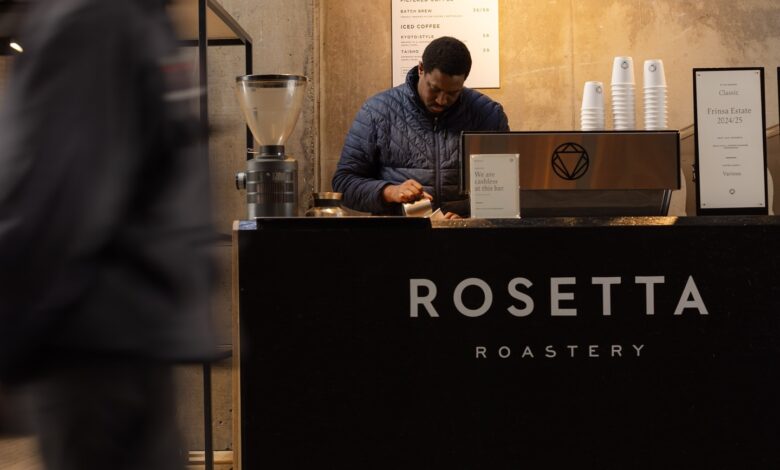
How Rosetta Roastery Built a World Class Coffee Brand. For many people, coffee is routine. It is something grabbed on the way to work, poured quickly into a mug, or used to survive long mornings. But for Jono Le Feuvre and the team behind Rosetta Roastery, coffee has always been treated differently.
To them, coffee is alive.
That philosophy sits at the centre of Rosetta Roastery’s rise in South Africa’s competitive specialty coffee scene. While many brands chase speed, mass production, or trend driven marketing, Rosetta built its reputation around precision, continual refinement, and an obsession with quality.
“Coffee is an organic product. It doesn’t stay static, it’s a living thing,” says Jono Le Feuvre.
That simple statement explains much of the company’s success.
Rather than treating coffee roasting as a fixed formula, Rosetta embraced the idea that improvement never ends. From sourcing world class coffee lots to refining roast profiles based on customer feedback and café data, the company developed a system built on evolution instead of complacency.
The result is a brand that has earned recognition not through gimmicks, but through consistency and craftsmanship.
Building a Brand Around Quality Instead of Convenience
One of the most important lessons behind Rosetta Roastery’s growth is that premium brands are rarely built by trying to satisfy everyone.
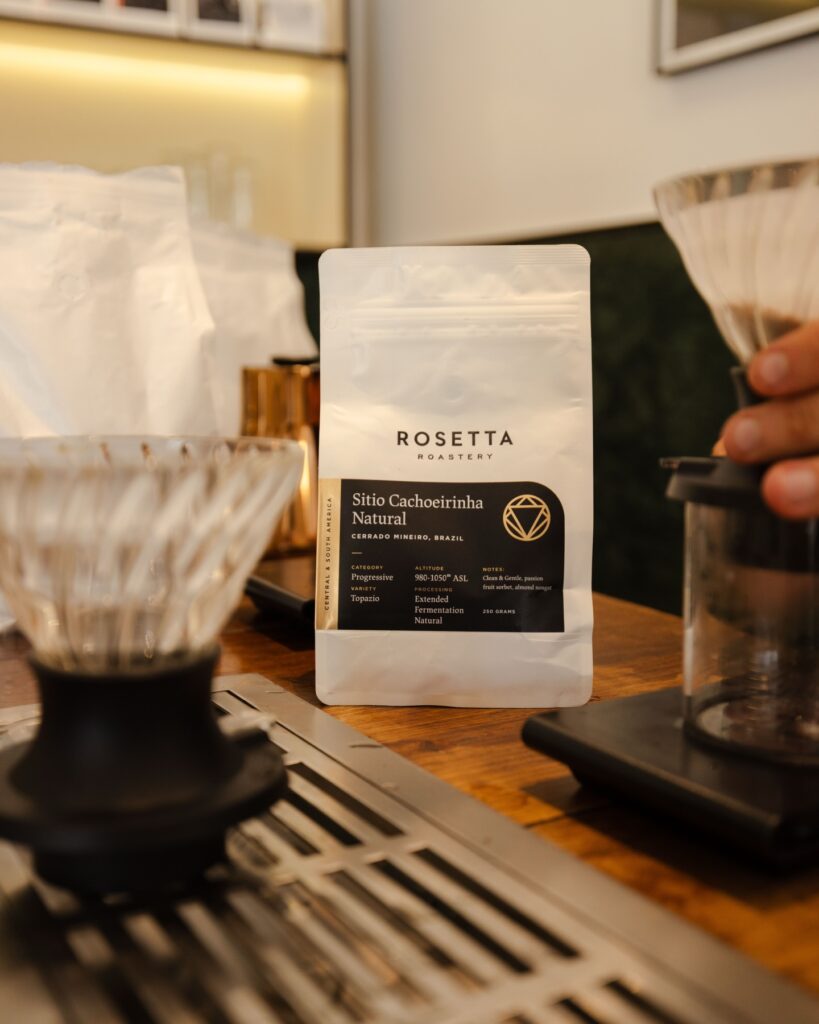
From the beginning, Rosetta focused heavily on sourcing exceptional coffee lots from respected producers around the world. The company’s rigorous cupping process became a core part of its quality control system, ensuring every coffee met exacting standards before reaching customers.
That decision immediately positioned the brand differently.
Instead of competing in the crowded mainstream coffee market where price and convenience dominate, Rosetta focused on customers who genuinely cared about flavour, freshness, and origin quality.
This was a strategic move.
Specialty coffee consumers are often deeply loyal when they find a brand they trust. By prioritising quality over scale in the early stages, Rosetta built credibility that could not easily be replicated through advertising alone.
For entrepreneurs, the lesson is clear: sometimes narrowing your audience creates stronger brand loyalty than trying to appeal to everybody.
Why Continual Refinement Became a Competitive Advantage
Many businesses make the mistake of treating success as a finish line.
Rosetta Roastery approached growth differently.
As the company gathered data from cafés and customer feedback, it continuously adjusted roast profiles to improve the final product. Even after establishing a strong reputation, the team kept refining.
That mindset became one of the company’s greatest strengths.
In industries built around taste and customer experience, stagnation can quietly damage a brand over time. Rosetta understood that maintaining excellence required constant evaluation.
This philosophy mirrors some of the world’s most respected premium brands across industries. They do not assume their product is perfect simply because it performs well. They remain curious, adaptable, and willing to improve small details consistently.
For aspiring entrepreneurs, this is a valuable takeaway.
Small refinements made repeatedly over time can separate a respected brand from an average one.
The Importance of Freshness and Timing
Another defining feature of Rosetta Roastery’s strategy is its focus on freshness and seasonality.
The company commits to buying fresh seasonal coffees and shipping freshly roasted batches. This attention to timing is not just operational. It directly affects flavour quality and customer experience.
In the specialty coffee industry, freshness is critical. Coffee changes over time, and Rosetta built part of its reputation around understanding those changes rather than ignoring them.
This approach reinforced the company’s premium positioning.
Customers were not simply purchasing coffee beans. They were buying into expertise, care, and a carefully managed flavour experience.
The broader entrepreneurial lesson here is powerful: operational details can become brand differentiators when executed consistently well.
Many businesses focus only on marketing visibility while overlooking the experience customers have after the sale. Rosetta’s growth shows that product integrity often becomes the strongest marketing tool of all.

Creating Trust Through Transparency and Expertise
Rosetta Roastery also succeeded because it educated customers rather than simply selling to them.
The brand’s emphasis on sourcing, cupping, roasting, and refinement helped build transparency around the coffee journey. Customers increasingly wanted to know where products came from, how they were made, and why quality mattered.
Rosetta leaned into this curiosity.
By openly communicating its process and standards, the company strengthened consumer trust and elevated the perceived value of its products.
This strategy is especially important in modern consumer markets where buyers are more informed than ever. Brands that explain their craftsmanship and values clearly often develop deeper customer relationships.
For entrepreneurs, this reinforces the importance of storytelling rooted in substance. Marketing works best when it reflects genuine operational excellence.
How Rosetta Roastery Turned Craft Into a Scalable Identity
What makes Rosetta Roastery particularly interesting is that the company built its identity around patience in an era obsessed with speed.
The founders did not chase shortcuts. They focused on sourcing better coffee, refining roasting techniques, analysing results, and improving incrementally.
That long term mindset helped create a brand associated with reliability and quality.
It also allowed Rosetta to stand out in a growing market where many businesses entered specialty coffee without fully understanding the depth of the craft.
The company’s success demonstrates that expertise itself can become a brand asset.
Consumers notice when businesses genuinely care about the details.
What Entrepreneurs Can Learn From Rosetta Roastery
The Rosetta Roastery journey offers several important lessons for founders building modern brands.
First, premium positioning requires discipline. The company stayed committed to quality even when faster or cheaper shortcuts likely existed.
Second, continual improvement creates long term advantage. Rosetta treated refinement as an ongoing process instead of a one time achievement.
Third, operational excellence matters just as much as marketing. Freshness, sourcing, and consistency became core pillars of the brand’s identity.
Most importantly, Rosetta Roastery proves that businesses built around craftsmanship and authenticity can still thrive in fast moving markets.