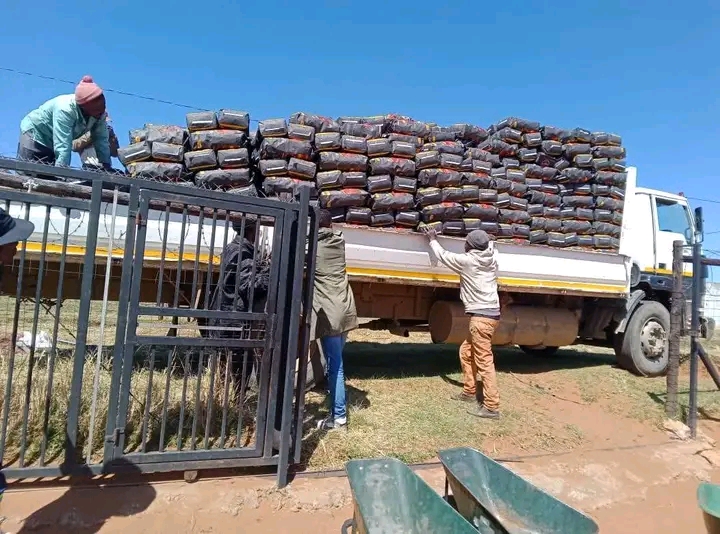
Invasive Trees Into Opportunity: The Story and Business Lessons Behind Morumotsho Charcoal
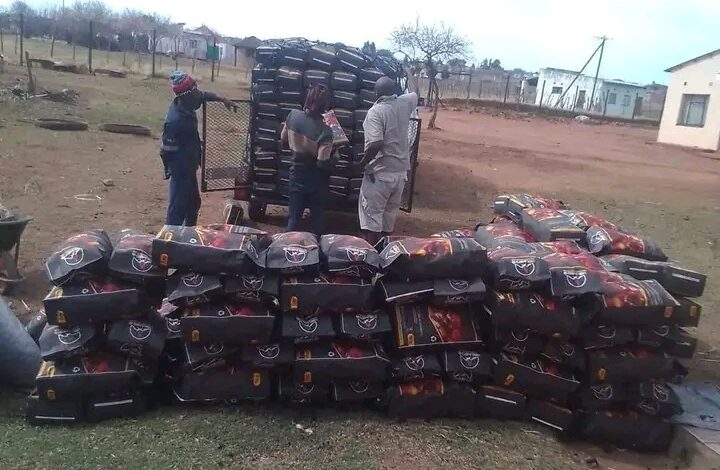
Invasive Trees Into Opportunity: The Story and Business Lessons Behind Morumotsho Charcoal. In many rural communities, invasive trees are seen as a problem. They consume water, spread aggressively, and damage local ecosystems. For Atang Ramabele, those same trees became the foundation of a growing business with environmental and economic impact.
From Nchodu Village in Matatiele, Atang Ramabele founded Morumotsho Charcoal Production with a practical but powerful idea: clear invasive alien trees and convert the biomass into charcoal and briquettes. What started as a local solution has grown into a business employing 14 workers while contributing to land restoration and resource utilisation.
The story behind Morumotsho Charcoal Production is not built on flashy marketing campaigns or overnight success. It is rooted in identifying a real problem, building around available resources, and creating value where others saw waste. That approach offers important lessons for entrepreneurs trying to build businesses in difficult economic conditions.
A Business Opportunity Hidden Inside an Environmental Problem
One of the clearest lessons from Morumotsho Charcoal Production is the importance of learning how to spot overlooked opportunities.
Many entrepreneurs spend years searching for completely new ideas, yet some of the strongest businesses are built by solving visible, everyday problems. In Atang Ramabele’s case, invasive trees were already affecting the surrounding environment. Instead of viewing the clearing process as waste removal alone, he saw the possibility of turning the removed biomass into a usable product.
That decision changed the equation completely.
By converting cleared wood into charcoal and briquettes, the business created value from material that would otherwise have little economic use. It also positioned the company within two important conversations happening across South Africa: environmental sustainability and job creation.
For aspiring entrepreneurs, the lesson is simple but important. Some of the best business ideas are not hidden in complicated technology or massive investment opportunities. Sometimes they are sitting inside local community problems waiting for someone to rethink them.
Starting With What Was Available
Many successful businesses begin before conditions are perfect, and Morumotsho Charcoal Production reflects that reality.
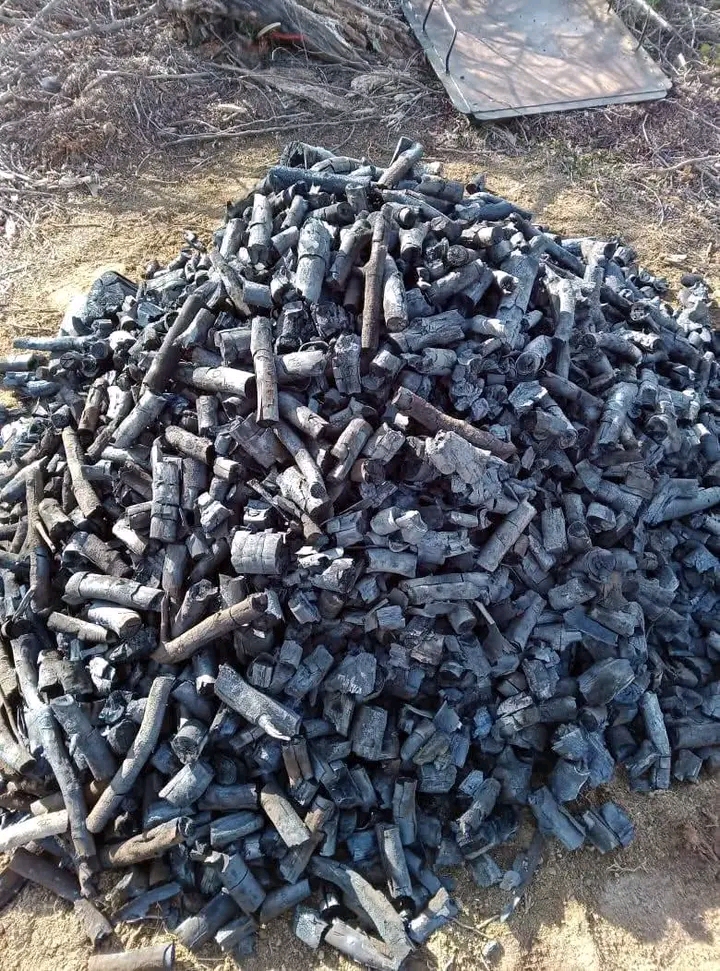
The business did not begin with reports of massive factories or large-scale industrial operations. Instead, it started with a focused activity: clearing invasive trees and producing charcoal products from the biomass. That level of practicality matters because too many entrepreneurs delay action while waiting for ideal circumstances.
Atang Ramabele built around what was already accessible: local labour, available biomass, and a problem that urgently needed attention.
This approach reduced one of the biggest mistakes early-stage entrepreneurs make, trying to build beyond their operational capacity too quickly.
Businesses that survive long term usually understand how to master one process before expanding. Morumotsho Charcoal Production focused on developing a working operational model first. The fact that the company now employs 14 workers shows how disciplined growth can gradually create real employment opportunities.
Turning Sustainability Into a Competitive Strength
Sustainability is often discussed in broad corporate language, but at Morumotsho Charcoal Production, it is directly connected to the business model itself.
The company’s work clearing invasive trees aligns environmental restoration with commercial activity. That gives the brand a stronger story than businesses that simply sell products without purpose.
Modern consumers increasingly pay attention to how products are made and where they come from. Businesses that can connect profitability with environmental responsibility often build deeper trust with communities and customers.
What makes this especially important is that the sustainability element is not artificial marketing. It is built into the operation itself. The raw material comes directly from the clearing of invasive species.
That authenticity matters.
Entrepreneurs can learn an important branding lesson here: genuine purpose is far more powerful than manufactured messaging. Businesses do not need expensive slogans when their operational model already tells a compelling story.
Employment Creation Builds Community Trust
Another important turning point in the Morumotsho story is the creation of jobs.
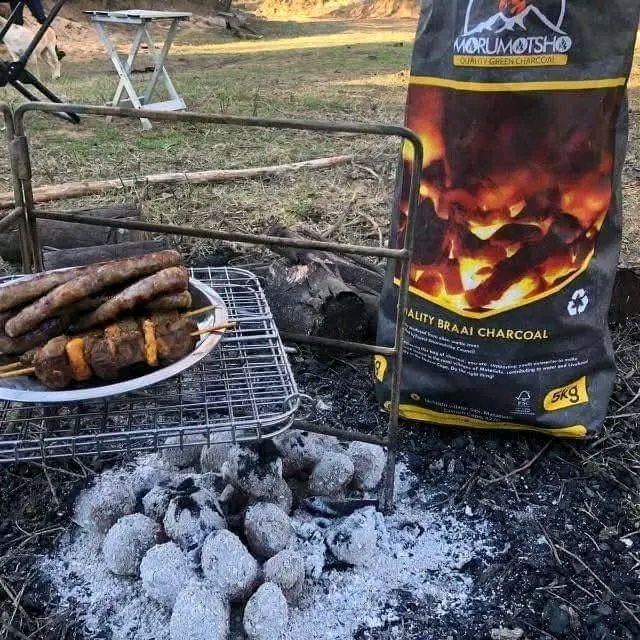
The business currently employs 14 workers, which is significant for a community-based enterprise. Employment creation does more than improve operations. It builds local trust and strengthens the brand’s relationship with the surrounding community.
Businesses that uplift local communities often gain stronger long-term support because people see the direct impact of the company’s growth.
This also highlights another practical lesson for entrepreneurs: growth is not only measured by revenue. A business becomes stronger when it creates systems that allow other people to benefit alongside the founder.
That type of growth creates loyalty, stronger operational stability, and a more meaningful business legacy.
Building a Business Around Resourcefulness
One of the strongest themes in the Morumotsho Charcoal Production journey is resourcefulness.
Instead of focusing on limitations, the business focused on utility. Biomass became fuel. Environmental clearing became economic activity. A local challenge became a business opportunity.
That mindset is often what separates sustainable entrepreneurs from short-term operators.
South Africa’s entrepreneurial landscape is filled with challenges, especially around funding, infrastructure, and unemployment. Businesses that succeed often do so because founders learn how to maximise what is already around them instead of waiting for outside rescue.
Morumotsho Charcoal Production reflects that principle clearly.
It shows that entrepreneurship is not always about inventing something the world has never seen before. Sometimes it is about seeing overlooked value faster than everyone else.