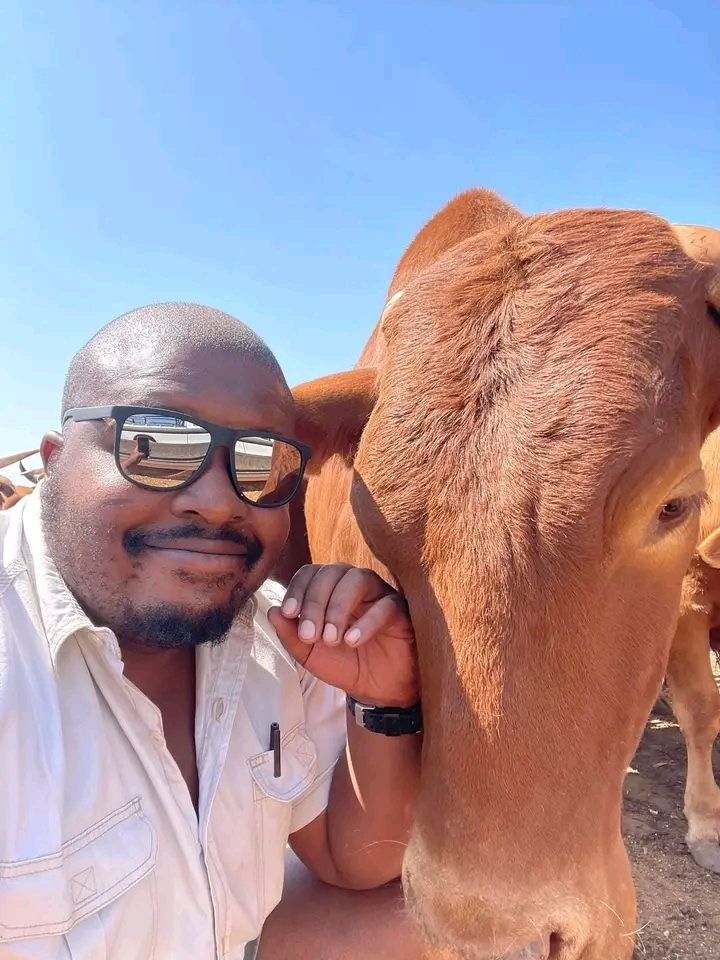
The Business Lessons Behind Thanda Mchunu’s Agricultural Empire
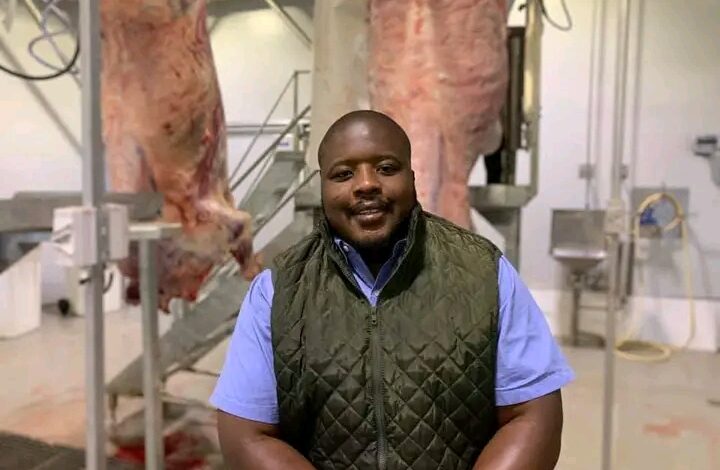
The Business Lessons Behind Thanda Mchunu’s Agricultural Empire. Building a successful business in agriculture often requires more than simply producing livestock or planting crops. It demands control, patience, infrastructure, and the ability to think far beyond immediate profits. Few stories capture that reality better than the journey of Thanda Mchunu, a farmer from KwaZulu-Natal who has built a business ecosystem that stretches across multiple parts of the agricultural value chain.
Thanda Mchunu does not only own farmland and livestock. He also owns a meat processing company and a fleet of tractors, creating a business structure that gives him control over production, operations, and product movement. In an industry where many producers rely heavily on outside suppliers, transporters, or processors, this level of vertical integration stands out as one of the defining strengths behind his growth.
His story offers important lessons for aspiring entrepreneurs who want to build businesses that are resilient, scalable, and positioned for long-term success.
Building Beyond One Income Stream
One of the clearest lessons from Thanda Mchunu’s journey is the importance of building multiple connected revenue streams instead of depending on a single operation.
Many farmers focus only on livestock production or crop farming. Mchunu’s business model appears to go much further. By owning livestock, operating tractors, and running a meat processing company, he positions himself across different stages of the agricultural process.
That approach creates several advantages.
Owning tractors means greater operational independence and the ability to manage farming activities more efficiently. Owning a meat processing company allows him to participate in the value-added side of agriculture rather than stopping at raw production.
This is a major entrepreneurial lesson. Businesses often become stronger when they move closer to the final customer instead of remaining dependent on middlemen.
Entrepreneurs in other industries can apply the same principle. Instead of only offering a product, they can think about logistics, packaging, processing, branding, or distribution. Growth often happens when business owners expand their role within an industry rather than remaining in a single lane forever.
Ownership Creates Long-Term Power
The most striking part of Thanda Mchunu’s story is ownership.
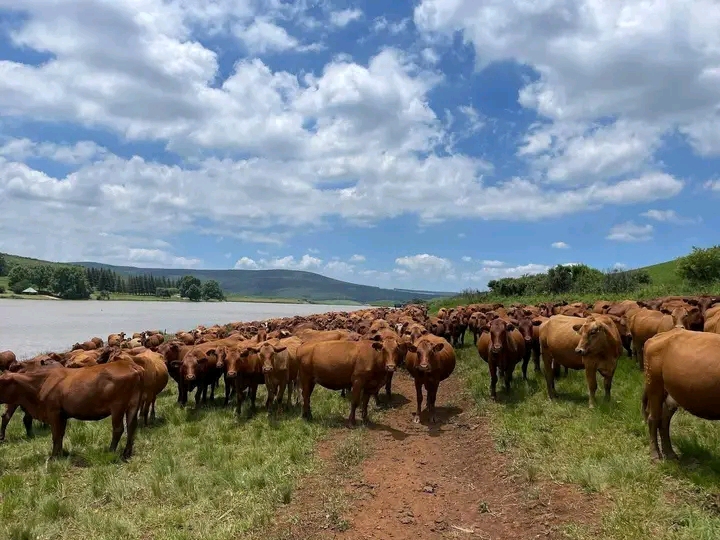
He owns the farm. He owns the livestock. He owns the tractors. He owns the processing business.
That matters.
In business, ownership creates leverage. It allows entrepreneurs to make independent decisions, protect quality standards, and build assets that appreciate over time.
Many entrepreneurs chase visibility before building strong foundations. Mchunu’s journey highlights a different approach. Real business strength is often built quietly through acquiring productive assets that increase operational control.
This strategy also reduces dependence on external service providers. When a business controls more of its operations internally, it can improve consistency and respond faster to challenges.
For aspiring entrepreneurs, this is a reminder that sustainable growth is rarely built on shortcuts. It is built through gradual accumulation of assets, systems, and infrastructure.
Agriculture Rewards Patience and Scale
Agriculture is one of the toughest industries to succeed in because results take time. Livestock requires ongoing care. Equipment demands maintenance. Processing businesses require systems and operational discipline.
The fact that Thanda Mchunu has expanded into multiple agricultural sectors suggests a long-term mindset rather than a quick-profit mentality.
That patience is one of the biggest lessons hidden inside his story.
Many new entrepreneurs expect rapid success. But industries like agriculture reward consistency, operational discipline, and the willingness to reinvest into the business over time.
Building scale in farming is especially difficult because growth requires physical infrastructure. More livestock means more feeding systems, more land management, more transport capability, and stronger logistics.
Mchunu’s expansion into tractors and meat processing reflects strategic scaling rather than random growth. Each asset supports the broader ecosystem of the business.
That kind of expansion is often more sustainable because every part of the operation strengthens another.

Creating a Business Ecosystem Instead of a Single Company
Another powerful lesson from this journey is the value of building an ecosystem rather than just one business.
The tractors support agricultural operations. The livestock supports the meat processing side. The processing company creates opportunities for value-added products.
Everything connects.
This creates operational synergy, where one part of the business strengthens another. Entrepreneurs who think this way often create businesses that are more resilient during difficult economic conditions.
Instead of relying on one product or one customer segment, they create interconnected systems that generate multiple opportunities.
For young entrepreneurs, this is a critical mindset shift. Building a powerful business is not always about chasing the newest trend. Sometimes it is about creating structures that work together efficiently over many years.
The Importance of Thinking Bigger Than Survival
Many people enter business to survive financially. Thanda Mchunu’s story reflects something larger. His journey represents expansion, infrastructure ownership, and long-term economic participation.
Owning a fleet of tractors and a processing company signals ambition beyond day-to-day operations. It reflects strategic thinking about scale and sustainability.
That lesson matters for entrepreneurs across industries. Businesses become more impactful when founders stop thinking only about immediate income and start thinking about systems, assets, and long-term positioning.