
AgriKey Farming: The Lessons Behind Khaya Burwana’s Tech Driven Agriculture Movement
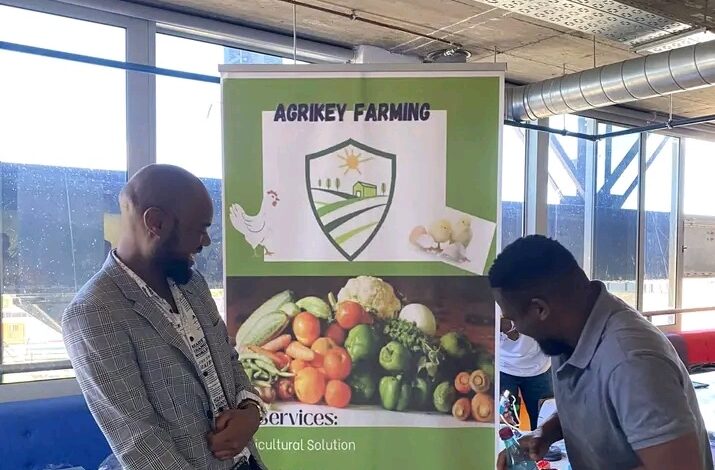
AgriKey Farming: The Lessons Behind Khaya Burwana’s Tech Driven Agriculture Movement. Agriculture in South Africa is often seen through a traditional lens, but a new generation of farmers is reshaping what modern farming looks like. At the centre of this shift is Khaya Burwana, a Cape Town based farmer who is blending technology, education, and sustainability to build long term agricultural impact.
Through his work connected to AgriKey Farming, Khaya is proving that farming is no longer just about land and labour. It is about data, systems, education, and community transformation.
His journey offers a clear example of how innovation can unlock new opportunities in agriculture while addressing food security and youth unemployment at the same time.
Building a Farming Model Rooted in Sustainability and Science
From the beginning, Khaya Burwana focused on a farming philosophy that prioritises soil health, water conservation, and environmentally responsible practices suited to the Western Cape climate.
Rather than relying on outdated methods alone, he integrated modern agricultural techniques into traditional farming knowledge. This balance has become one of the defining strengths of his approach.
His work demonstrates that sustainable farming is not a trend. It is a long term requirement for food systems facing climate pressure and resource limitations.
For aspiring entrepreneurs, the lesson is clear. Sustainable systems are not optional add ons. They are the foundation of long term resilience.

The Turning Point: Merging Information Technology with Agriculture
A major turning point in Khaya’s journey came from his academic background in Information Systems and Information Technology, including a Master’s Degree in Technology.
Instead of treating this as separate from agriculture, he merged both fields to create a more innovative approach to farming.
This combination allowed him to think differently about efficiency, systems, and impact.
Agriculture became more than physical production. It became a structured system that could be improved through planning, data driven thinking, and modern tools.
This is one of the most important lessons from his journey. Cross disciplinary skills often create the most powerful innovations. When two unrelated fields are combined, entirely new opportunities emerge.
Expanding Impact Through School Gardens
One of the most significant milestones in Khaya’s work has been the establishment of more than five school gardens in Khayelitsha and Mfuleni.
These gardens are not symbolic projects. They are practical learning environments where young people are introduced to food production and agricultural opportunity.
Through these initiatives, learners gain exposure to skills that are often absent in traditional education systems.
They learn how food is grown, how land is used, and how agriculture can become a viable career path.
This expansion into education highlights a key entrepreneurial principle. Real growth is not only about scaling production. It is about scaling knowledge.
When a business or initiative teaches others, its impact multiplies far beyond its original capacity.
Cooperative Farming and Shared Knowledge Systems
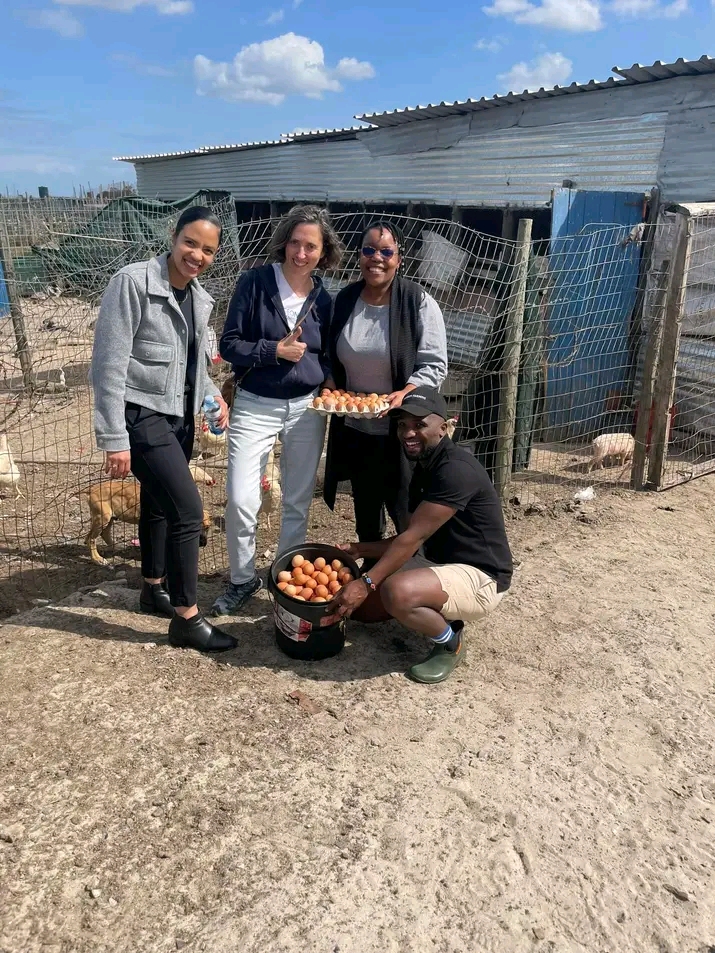
Beyond his personal farming operations, Khaya Burwana actively participates in local farming cooperatives and mentorship programmes.
These networks play a crucial role in sharing knowledge, resources, and support among farmers.
In agriculture, isolation is often a barrier to success. Cooperatives help reduce this challenge by building shared systems of learning and collaboration.
This approach reflects an important lesson for entrepreneurs. Collaboration can often accelerate growth faster than competition. When knowledge is shared, entire ecosystems become stronger.
Strategic Strength: Agriculture Meets Community Development
The AgriKey Farming approach is not limited to production. It is deeply connected to community empowerment and food security.
By focusing on both farming output and education, Khaya has created a model that addresses multiple challenges at once.
These include:
- Food insecurity in underserved communities
- Youth unemployment
- Lack of agricultural education exposure
- Sustainable land use practices
This multi layered approach is one of the strongest aspects of his strategy. It ensures that impact is not limited to one dimension.
For entrepreneurs, this shows the value of solving interconnected problems rather than isolated ones.
Challenges in Building Modern Agricultural Systems
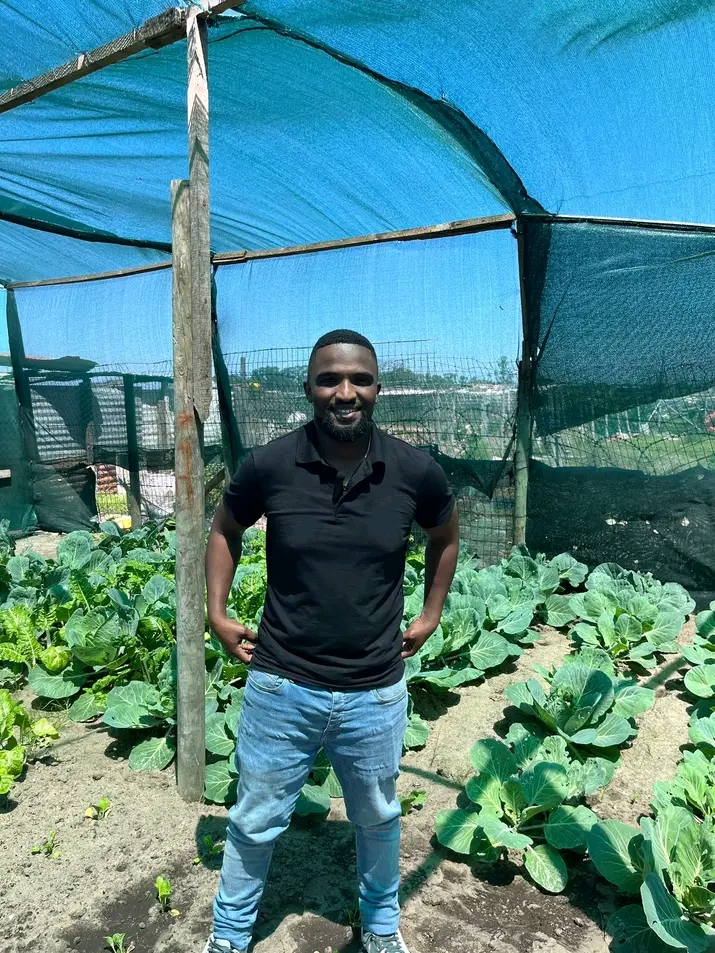
While Khaya’s journey is rooted in innovation, modern farming in South Africa comes with real challenges such as climate variability, resource limitations, and access to infrastructure.
What stands out in his approach is adaptability. Instead of relying on a single method, he integrates both traditional and modern systems to remain flexible.
This adaptability is essential in industries where conditions constantly change.
Entrepreneurs can learn from this by building businesses that are not rigid but responsive to evolving environments.
Lessons From Khaya Burwana’s Agricultural Journey
The story behind AgriKey Farming offers several practical lessons for entrepreneurs and changemakers:
- Combine traditional knowledge with modern innovation for stronger systems
- Use academic and technical skills to enhance real world industries
- Focus on education as a form of scalable impact
- Build cooperative networks instead of working in isolation
- Design solutions that address multiple community challenges at once
- Prioritise sustainability as a core business principle, not an option
- Stay adaptable in industries affected by environmental and economic change
A New Blueprint for African Agriculture
Khaya Burwana’s journey represents a new direction for agriculture in South Africa. It is a direction where farming is not only about production, but about transformation.
Through AgriKey Farming, school gardens, cooperative involvement, and technology integration, he is building a model that connects land, knowledge, and community.
His story shows that agriculture can be both innovative and deeply human at the same time.
For aspiring entrepreneurs, the message is powerful. When you combine knowledge, purpose, and consistency, even traditional industries can become platforms for meaningful change.