
Street Trading to a Thriving Farm: The Entrepreneurial Journey of Sizo Tshabalala
Street Trading to a Thriving Farm: The Entrepreneurial Journey of Sizo Tshabalala. Success stories often begin far away from boardrooms, investors, and large-scale operations. Sometimes they begin on busy streets, with a person determined to earn a living through whatever opportunity is available.
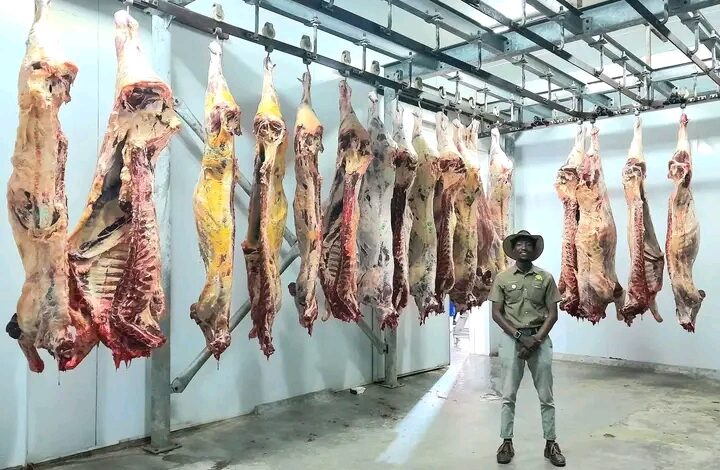
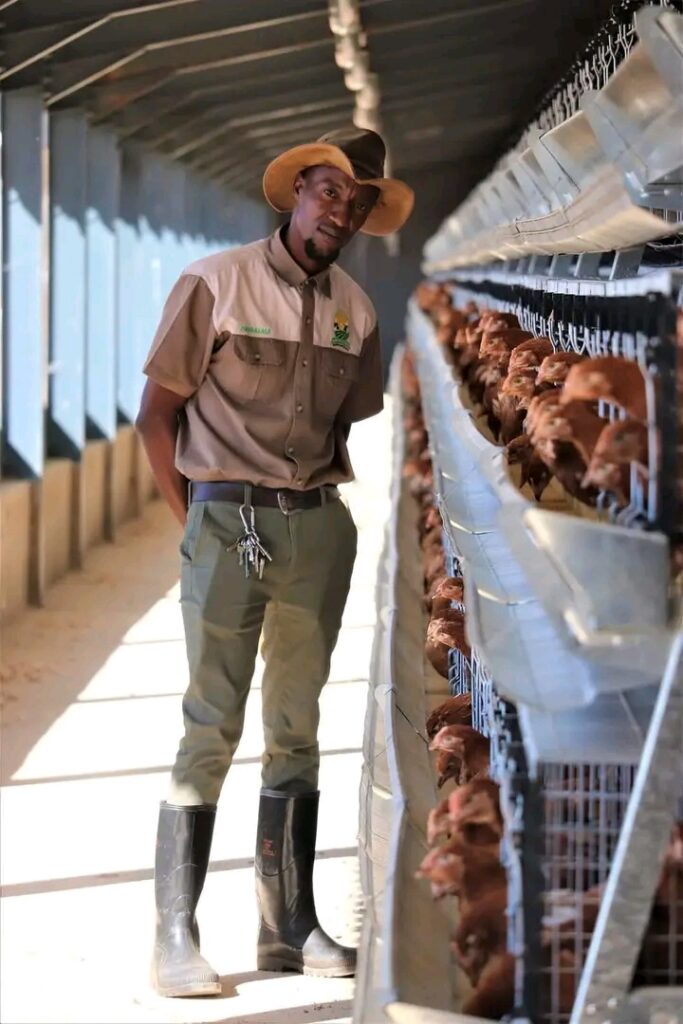
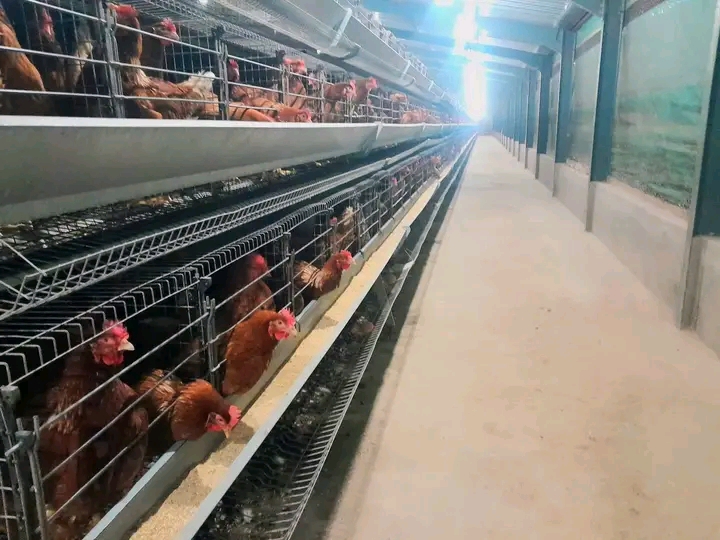
For Sizo Tshabalala, that journey started with selling eggs and clothes on the streets. Today, he is known as a successful farmer who owns a layer farm with the capacity for 7,500 chickens and more than 250 Bonsmara cattle.
His story is not simply about farming. It is about identifying opportunities, starting small, staying persistent, and gradually building something larger over time. For aspiring entrepreneurs, there are valuable lessons hidden within every stage of his journey.
Starting With What Was Available
Many aspiring entrepreneurs spend years waiting for the perfect business idea, the perfect funding opportunity, or the perfect moment to start. Sizo Tshabalala’s story highlights a different approach.
Before becoming a successful farmer, he sold eggs and clothes on the streets. These are businesses that require hustle, direct customer interaction, and a willingness to work in challenging environments.
Street trading often teaches entrepreneurs lessons that cannot be learned in a classroom. Every sale matters. Every customer interaction provides feedback. Every day presents new challenges that require quick thinking and adaptability.
One of the biggest lessons from this stage of Tshabalala’s journey is that successful businesses often begin with simple opportunities rather than grand plans.
Entrepreneurs do not always need to start with massive capital. They can begin by identifying products or services that people already need and finding ways to serve those customers effectively.
Seeing Bigger Opportunities Beyond the Present
A common characteristic among successful entrepreneurs is their ability to see beyond their current circumstances.
While selling eggs and clothes provided income, Tshabalala eventually built a farming operation that operates on a much larger scale. His layer farm has the capacity for 7,500 chickens, while his cattle operation includes more than 250 Bonsmara cattle.
This transition demonstrates an important entrepreneurial principle: growth often comes from identifying industries with long-term potential and committing to building expertise within them.
Agriculture requires patience, planning, and consistency. Unlike some businesses where results can appear quickly, farming often involves longer timelines and significant operational responsibilities.
The fact that Tshabalala successfully established both poultry and cattle operations highlights the importance of building a business with a long-term mindset.
Building Scale Through Consistency
One of the most striking aspects of Tshabalala’s business journey is the scale he has achieved.
A layer farm capable of housing 7,500 chickens does not appear overnight. Likewise, building a herd of more than 250 Bonsmara cattle requires sustained effort and careful management.
Scaling a business often involves repeating successful processes consistently over time.
Many entrepreneurs focus heavily on launching a business but spend less time thinking about how to expand it. Tshabalala’s journey demonstrates that growth is often the result of continuous improvement rather than a single breakthrough moment.
For entrepreneurs, this means creating systems, maintaining quality, and focusing on sustainable growth instead of chasing rapid expansion without a solid foundation.
Diversification as a Growth Strategy
Another noteworthy aspect of Tshabalala’s business journey is his presence in both poultry and cattle farming.
Diversification can create multiple revenue streams and help reduce dependence on a single business activity.
While each industry has its own challenges, operating across different agricultural segments can provide greater stability and open additional growth opportunities.
For entrepreneurs in any industry, diversification does not necessarily mean launching completely unrelated businesses. It can mean expanding into complementary areas that strengthen the overall enterprise.
The key is ensuring that each new venture aligns with existing skills, resources, and long-term goals.
The Power of Persistence
Behind every successful business story is persistence.
Moving from street trading to managing a farming operation of this size requires determination and a willingness to keep moving forward despite obstacles.
Entrepreneurship rarely follows a straight path. There are setbacks, uncertainties, and moments when progress feels slow.
What separates successful entrepreneurs from those who give up is often their ability to remain committed to their goals over the long term.
Tshabalala’s journey serves as a reminder that success is usually built through consistent effort rather than overnight breakthroughs.

Lessons Entrepreneurs Can Apply Today
Several practical lessons emerge from Sizo Tshabalala’s business journey.
Start where you are and use the opportunities available to you.
Focus on learning valuable business skills through real-world experience.
Think beyond immediate income and look for industries that offer long-term growth potential.
Build gradually and prioritize sustainable expansion over rapid growth.
Consider diversification when opportunities align with your strengths and business objectives.
Most importantly, remain persistent even when progress appears slow.
A Journey That Reflects the Entrepreneurial Spirit
Sizo Tshabalala’s story illustrates how determination, opportunity recognition, and consistent effort can transform humble beginnings into a significant business operation.
From selling eggs and clothes on the streets to owning a layer farm with the capacity for 7,500 chickens and managing more than 250 Bonsmara cattle, his journey reflects the power of starting small and thinking big.
For aspiring entrepreneurs, his story offers an important reminder: success does not always begin with abundant resources. Sometimes it begins with the willingness to take the first step, make the first sale, and continue building one opportunity at a time.