
Tapi Tapi: Turning Ice Cream Into African Storytelling and Cultural Healing
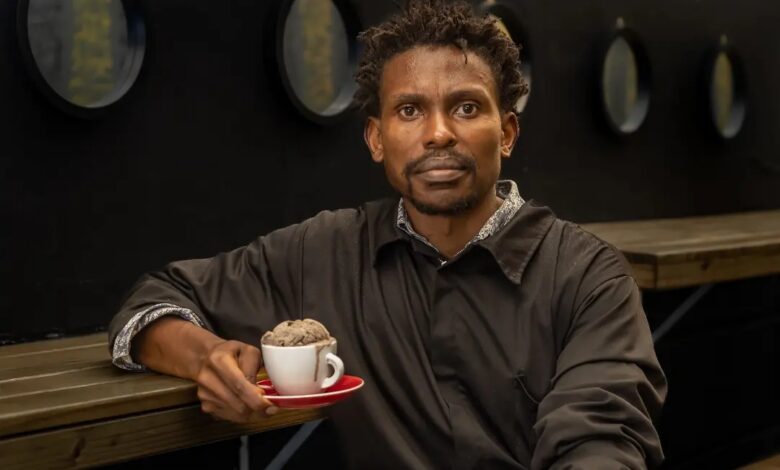
Tapi Tapi: Turning Ice Cream Into African Storytelling and Cultural Healing. In July 2018, what started as a simple self imposed challenge would evolve into one of South Africa’s most distinctive food storytelling brands. A passion for ice cream became something far greater than dessert. It became a medium for cultural expression, memory, and identity.
That journey is the foundation of Tapi Tapi, a brand that uses frozen treats to explore African folklore, rituals, and shared cultural experiences.
From pop up tastings to a physical café in Cape Town, Tapi Tapi has built a brand that is as emotional as it is edible.
A Simple Idea That Became a Cultural Mission
Tapi Tapi began as a self imposed dare by its founder in 2018. The goal was simple at first. Share a passion for ice cream in any form possible. But the idea quickly evolved when food became a storytelling tool.
Instead of treating ice cream as a standard dessert product, the brand reimagined it as a way to communicate African stories. Each scoop became a reference point for heritage, rituals, and lived cultural experiences.
This shift is important. It shows how a brand can move from product thinking to purpose driven creation. The lesson here is clear. When a product carries meaning, it becomes more than something people consume. It becomes something they experience.

Reframing Food as Cultural Memory
One of the most powerful ideas behind Tapi Tapi is its belief that food is not neutral. Food can shape identity, reinforce belonging, or create separation.
The brand intentionally uses ice cream to challenge the idea that food must be disconnected from culture. Instead, it becomes a tool to reclaim identity and celebrate African diversity.
Each creation is designed to reflect stories, traditions, and shared memory. This transforms the act of eating ice cream into a reflective cultural moment.
For entrepreneurs, this is a valuable insight. Strong brands often succeed when they connect their product to deeper emotional or cultural meaning.
Starting With Direct Engagement Through Pop Up Experiences
Before opening a physical location, Tapi Tapi began as a direct delivery and pop up tasting experience across the Western Cape.
This early stage was not just about selling ice cream. It was about building relationships and testing how people responded to the concept of storytelling through food.
Pop up events allowed the brand to engage directly with communities, introduce new ideas, and refine its offerings based on real feedback.
This approach highlights a key business principle. Early stage brands benefit from flexibility and direct customer interaction before committing to fixed infrastructure.

The Shift to a Physical Café in Observatory
A major turning point came in February 2020 when Tapi Tapi prepared to open its first walk in café in Observatory, Cape Town.
This transition marked a shift from temporary experiences to a permanent space where customers could engage with the brand more deeply.
The café was designed not only as a place to buy ice cream, but as a space for tasting, learning, and connection. Customers were invited to experience flavors before purchasing, reinforcing transparency and engagement.
For entrepreneurs, this milestone demonstrates the importance of timing. Growth is most effective when a brand has already built trust and demand through smaller, controlled experiences.
Challenges of Building a Concept Driven Food Brand
Unlike traditional ice cream businesses, Tapi Tapi operates in a space that blends food, education, and cultural storytelling. This creates both opportunity and complexity.
One of the main challenges is communication. The brand must consistently explain its concept to new audiences while maintaining authenticity.
Another challenge is balancing creativity with scalability. Story driven products require careful development to ensure consistency across experiences.
The response has been to remain intentional and focused. Every scoop, flavor, and experience is tied back to the brand’s core mission.

Strengths That Define Tapi Tapi
Several strengths have allowed Tapi Tapi to stand out in a competitive food market:
- A unique positioning that blends ice cream with cultural storytelling
- Strong emotional and educational brand identity
- Direct engagement through pop ups and tastings
- A mission focused on cultural healing and identity
- A physical café designed as an experience space
- Commitment to celebrating African diversity through food
These strengths create a brand identity that cannot be easily replicated because it is rooted in purpose rather than trend.
Lessons From the Tapi Tapi Journey
The journey of Tapi Tapi offers valuable lessons for entrepreneurs building purpose driven businesses:
- Start with passion, but refine it into a clear mission
- Use products as storytelling tools, not just items for sale
- Engage customers early through direct experiences like pop ups
- Test ideas in real environments before scaling
- Build emotional connections through cultural relevance
- Create physical or digital spaces that reflect your brand philosophy
- Balance creativity with operational consistency
Conclusion: When Ice Cream Becomes a Story
Tapi Tapi shows that even the simplest product can carry deep meaning when shaped by intention. What began as a self imposed challenge in 2018 has evolved into a brand that uses ice cream to explore identity, culture, and connection.
It is a reminder that entrepreneurship is not only about what you make. It is about the stories you choose to tell through what you make.