Velisa Wine: How Amber Ashley James and Ziggy Mtoba Are Rewriting South African Wine Culture
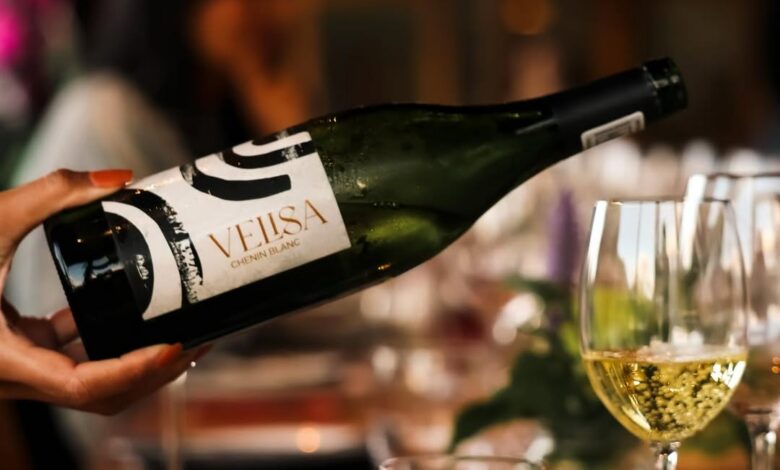
Velisa Wine: How Amber Ashley James and Ziggy Mtoba Are Rewriting South African Wine Culture. When Amber Ashley James first visited South Africa in 2019, she was struck by something unexpected. The vineyards were breathtaking, the land rich with history, and the people deeply connected to the soil. Yet something felt out of place. The atmosphere of the wine estates reflected European traditions more than African identity, despite being rooted in African land.
That observation became the foundation of Velisa Wine, a brand created not only to produce wine, but to reshape how African wine culture is seen, experienced, and valued.
Alongside co-founder Ziggy Mtoba, Velisa Wine is building a narrative that connects land, people, and purpose through every bottle.
A Vision Born From Cultural Disconnection
The origin of Velisa Wine is rooted in a powerful question. Why does an African wine industry feel disconnected from its African identity?
The founders recognized that South Africa’s wine industry carries a complex history shaped by exclusion and inequality. Instead of ignoring this reality, Velisa chose to confront it directly.
The brand was created to reframe wine not just as a luxury product, but as a cultural expression grounded in African soil, African labor, and African creativity.
This is where the first major entrepreneurial lesson emerges. Strong brands often begin by challenging what already exists, not just entering it.
Building a Brand Around Equity and Regeneration
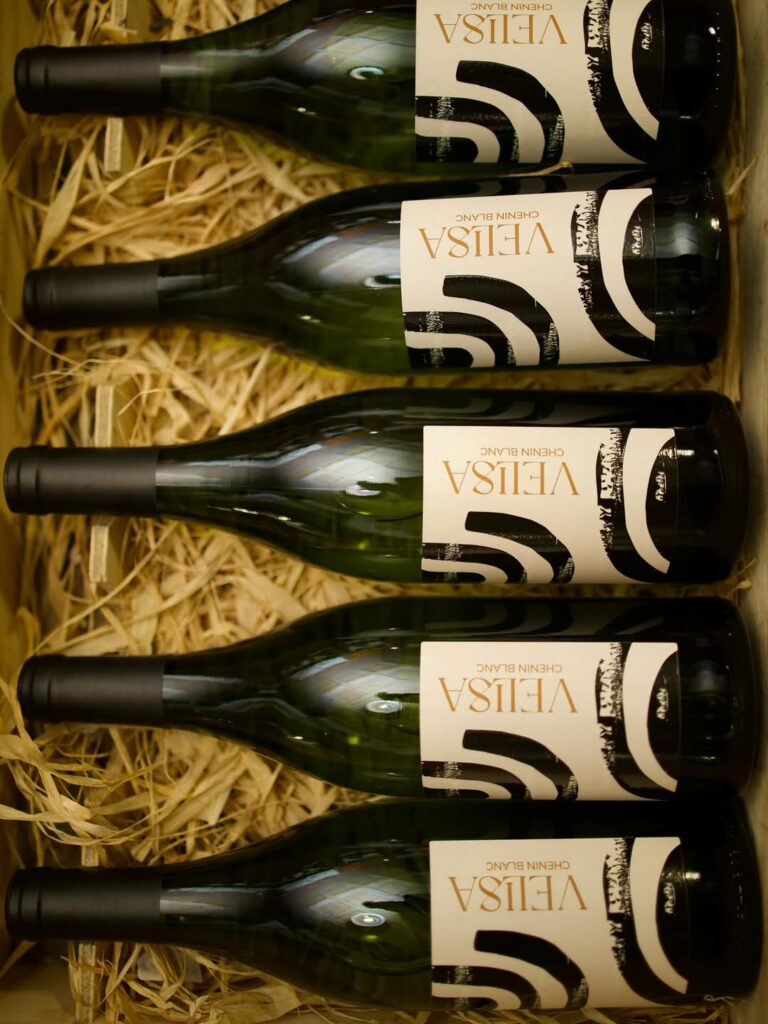
From the beginning, Velisa Wine positioned itself around a mission of equity and regenerative thinking. The goal was not only to produce world class wine, but to ensure that the systems behind it are more inclusive and sustainable.
The brand sources grapes from respected vineyards across the Western Cape, working closely with growers who share a commitment to quality and ethical production.
This approach reflects a key strategic decision. Instead of rushing to own land or production facilities immediately, the brand focused on building relationships, sourcing excellence, and aligning with partners who support its values.
For entrepreneurs, this highlights an important insight. Strategic partnerships can be more powerful than rapid infrastructure expansion in the early stages.
Wine as a Tool for Storytelling and Social Impact
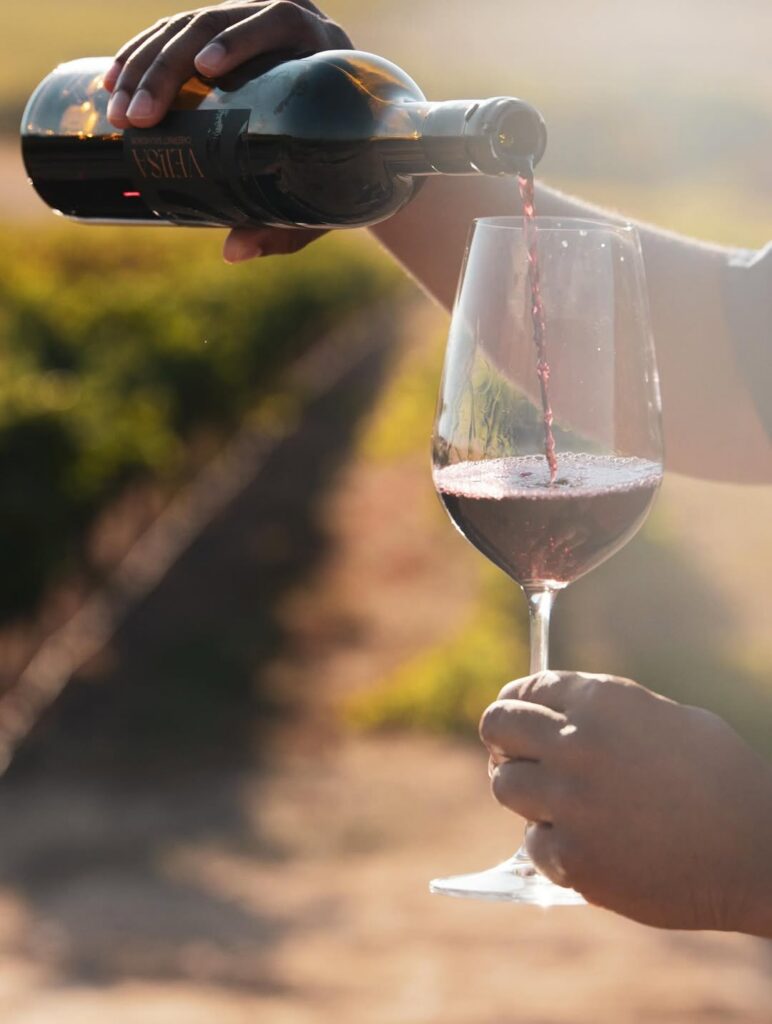
Velisa Wine is not positioned as a traditional wine label. It is positioned as a storytelling platform.
Each bottle represents more than flavor. It represents land stewardship, cultural identity, and community connection.
The brand uses wine as a medium to channel awareness and resources back into communities, reinforcing the idea that luxury and impact can coexist.
This dual purpose creates emotional depth in the brand experience. Consumers are not only purchasing wine. They are participating in a larger story about transformation.
The lesson here is simple. When products carry meaning, they become more than transactions. They become experiences.

Strategic Expansion With a Long Term Vision
One of the most significant milestones in Velisa Wine’s journey is its future plan to establish its own wine farm.
This is not just an expansion decision. It is a structural commitment to regenerative agriculture, equitable land stewardship, and long term community impact.
The planned wine farm represents a shift from sourcing to ownership, from collaboration to creation, and from participation to leadership within the industry.
For entrepreneurs, this demonstrates a critical growth principle. Sustainable expansion is not only about scaling output. It is about deepening control over values, systems, and impact.
Challenges of Redefining a Legacy Industry
The South African wine industry is one of the most established and globally recognized sectors in agriculture. Entering this space with a mission of transformation presents clear challenges.
These include navigating legacy systems, building trust with established growers, and creating space for a new narrative in a highly traditional market.
Velisa Wine responds to these challenges through clarity of mission. Rather than blending into existing narratives, it positions itself as a voice for change within the industry.
The lesson is clear. In legacy industries, differentiation often comes from perspective, not just product.
Strengths That Define Velisa Wine
Several strengths shape the identity and direction of Velisa Wine:
- Clear cultural and social purpose rooted in African identity
- Strategic sourcing from top Western Cape vineyards
- Strong storytelling that connects land, people, and product
- Commitment to equity and regenerative agriculture
- Long term vision for land ownership and sustainability
- Leadership driven by cross cultural experience and insight
These strengths position the brand within a growing global demand for ethical, story driven luxury products.
Lessons From the Velisa Wine Journey
The journey of Velisa Wine offers practical lessons for entrepreneurs building purpose led brands:
- Start by identifying cultural or structural gaps in your industry
- Build partnerships that align with your values before scaling infrastructure
- Use storytelling as a core business strategy, not an afterthought
- Treat products as experiences, not just goods
- Balance immediate execution with long term ownership goals
- Enter established industries with a clear and differentiated voice
- Align growth with impact, not just revenue
Conclusion: Rewriting the Narrative One Bottle at a Time
Velisa Wine is more than a wine brand. It is a reimagining of what African winemaking can represent in the modern world.
From a moment of observation in 2019 to a growing vision for regenerative agriculture and equitable production, the brand reflects a deeper shift in how identity, industry, and impact can intersect.
For aspiring entrepreneurs, the message is powerful. The most meaningful brands do not just enter industries. They reshape them.