
Bankruptcy to Building a Brand: The Determination Behind Vaya Footwear’s Inspiring Journey

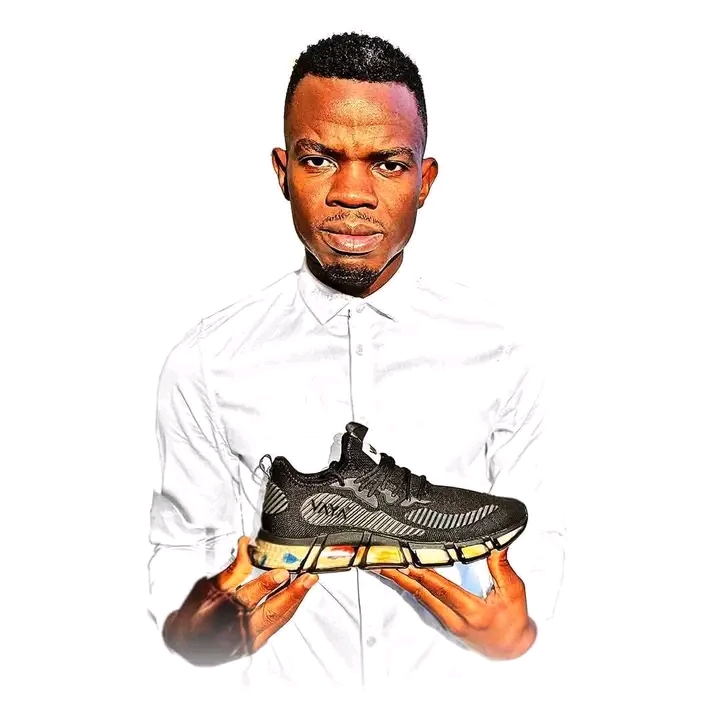
Bankruptcy to Building a Brand: The Determination Behind Vaya Footwear’s Inspiring Journey. Success stories often celebrate the destination, but the road leading there is usually filled with setbacks that few people ever see. The story behind Vaya Footwear is one of those journeys. Founded by Themba Makamo in February 2021, the brand emerged after more than a decade of persistence, failed ideas, financial hardship, and an unwavering commitment to pursuing a dream. Rather than allowing disappointment to define his future, Makamo transformed years of difficult experiences into the foundation of a business built on ambition, creativity, and hope. For aspiring entrepreneurs, the journey offers practical lessons about resilience, patience, and the reality of building something meaningful over time.
Walking Away From Security to Pursue a Bigger Vision
Every entrepreneurial journey begins with a decision, and for Themba Makamo, that decision came in 2010.
He left his position as a journalist at one of South Africa’s biggest publications with the goal of inspiring the world through his ideas. At the time, he believed he had everything needed to succeed. He had savings, a vehicle, a place to live, supportive relationships, and confidence in his creativity.
Many entrepreneurs begin with similar optimism. They see opportunities, believe in their abilities, and are motivated by the possibility of creating something that reflects their own vision.
The first lesson from Makamo’s journey is that entrepreneurship often requires stepping away from certainty. While leaving stable employment carries significant risk, it also creates the freedom to pursue ideas that might never develop otherwise.

When Great Ideas Alone Are Not Enough
The years that followed proved far more challenging than expected.
Makamo has openly shared that two years after leaving his job, many of the ideas he believed would succeed had begun to fail. Eventually, he found himself facing bankruptcy, describing it as the defining moment of that period in his entrepreneurial career.
This part of the story is particularly important because it reflects a reality that many founders experience but rarely discuss publicly.
Ideas matter, but execution, timing, market demand, and persistence are equally important. Even talented entrepreneurs can experience repeated setbacks before discovering the opportunity that finally gains traction.
Rather than presenting failure as the end of the journey, Makamo’s experience demonstrates that unsuccessful ventures often become valuable learning experiences that shape future success.
Holding Onto Hope During Difficult Times
Among the most powerful parts of Makamo’s story is his reflection on what remained after everything else appeared to disappear.
Despite financial hardship and repeated disappointments, he believed there was one thing he could not afford to lose: hope.
That mindset became the turning point.
Entrepreneurship is as much a mental challenge as it is a financial or operational one. Every founder encounters moments when progress slows, opportunities disappear, or carefully planned ventures fail to produce expected results.
The entrepreneurs who continue moving forward are often those who protect their belief in the long term vision, even when short term results are discouraging.
Hope alone does not build a business, but it often provides the determination needed to continue taking meaningful action.
Patience Can Become a Competitive Advantage
One of the most remarkable aspects of the Vaya Footwear story is the timeline.
Makamo left corporate employment in 2010, yet Vaya Footwear was only founded in February 2021.
That decade represents years of learning, adapting, recovering from setbacks, and continuing to pursue a creative vision despite repeated challenges.
Modern entrepreneurship often celebrates rapid growth and overnight success. Stories like Vaya Footwear remind entrepreneurs that meaningful businesses sometimes require years of preparation before the right opportunity finally emerges.
Patience should not be mistaken for inactivity. Long periods of persistence can become one of the greatest competitive advantages a founder possesses.
Building a Brand Around Purpose
Vaya Footwear was not created simply to manufacture footwear.
According to Makamo, the brand aims to inspire and help people pursue their dreams because the company’s founder understands personally that ambition can overcome temporary obstacles and setbacks.
Purpose gives businesses an identity beyond the products they sell.
Customers increasingly connect with brands that represent authentic stories and meaningful values. When a company’s mission naturally reflects the lived experiences of its founder, that purpose becomes far more credible than carefully crafted marketing slogans.
For entrepreneurs, the lesson is straightforward. Products may attract attention, but purpose often builds lasting loyalty.

Turning Personal Experience Into Brand Identity
Many businesses spend years trying to discover what makes them different.
Vaya Footwear already possesses something many brands cannot manufacture: an authentic founding story.
The business was born after years of rejection, financial hardship, and perseverance. Rather than hiding those experiences, Makamo openly shares them as part of the company’s identity.
Authenticity has become an increasingly valuable asset in modern business. Customers appreciate founders who communicate honestly about challenges instead of presenting unrealistic success stories.
Entrepreneurs should remember that difficult experiences can eventually become some of their strongest branding assets when shared with sincerity and purpose.
Lessons Entrepreneurs Can Apply
The journey behind Vaya Footwear offers practical lessons for entrepreneurs in every industry.
Do not assume that leaving a secure career automatically leads to immediate success. Building a business often takes far longer than expected.
Recognise that ideas alone are not enough. Success depends on consistent execution, continuous learning, and adapting after setbacks.
Treat failure as education rather than permanent defeat. Every unsuccessful venture can strengthen future decision making.
Protect your long term vision during difficult periods. Hope, combined with persistent action, creates the resilience needed to continue building.
Create a business with a purpose that genuinely reflects your experiences and values instead of chasing trends.
Finally, understand that persistence often outlasts talent. A founder who refuses to give up may eventually discover opportunities that would never have existed without years of determination.