How Thatiso Dube Built GALXBOY from R20 Lunch Money into a Multi-Million-Rand Streetwear Empire
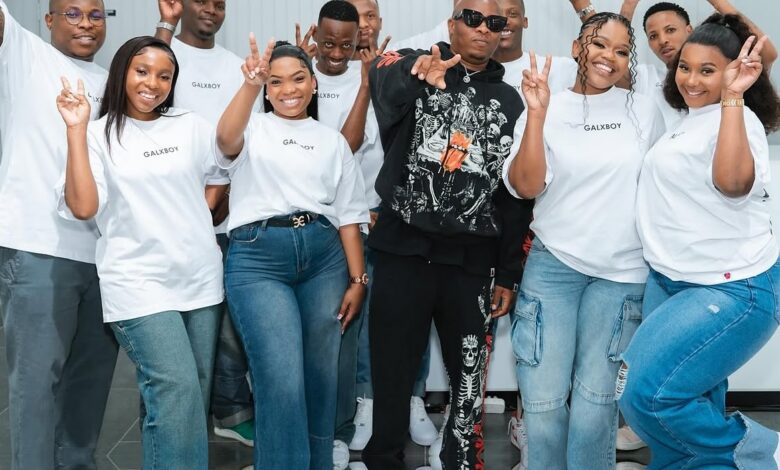
With eighteen flagship stores spanning across South Africa, multiple prestigious awards to its name, and an unwavering commitment to being smart, African, and ambitious, GALXBOY has redefined contemporary African design. This is the story of how Thatiso Dube’s bold vision grew into one of the biggest streetwear empires on the continent at the Standard Bank’s Kasi SME Summit in Port Elizabeth.
Thatiso Dube (Founder and Creative Director, GALXBOY)
I started the brand in high school. I was in matric, 18 years old, basically making t-shirts for my crew at school. Wore them on casual day, the rest of the school wanted them.
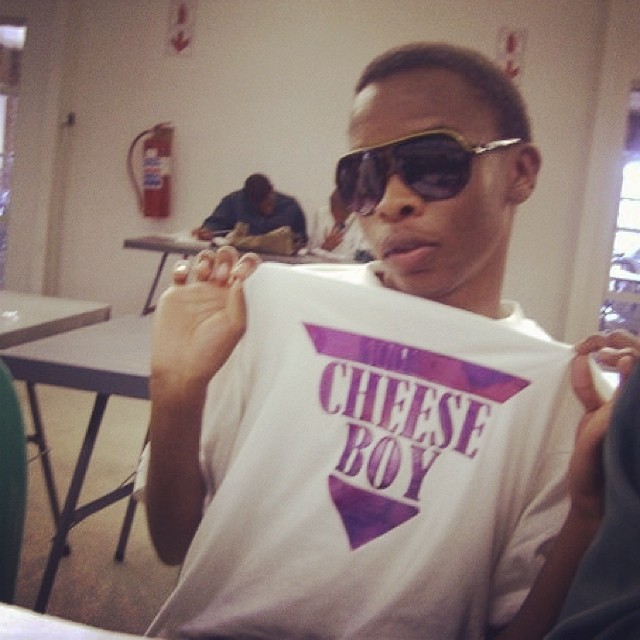
Thatiso Dube
So, to make one t-shirt costed me about 60 rand. So I was getting 20 bucks a day from my parents for lunch. So I decided to save the 20 bucks for three days while eating peanut butter and jelly, you know? Make one t-shirt, sell it, make two, make three, etc. You know, so that’s when actually the selling started, but I didn’t see it as a business at that time. It was just me making pocket money, because I didn’t know that, you know, black people can own clothing brands. Until I discovered Ama Kid Kid, found out that the guy, the owner was black, then I thought, oh, obviously, I can do it also, you know? So that’s when the passion grew even more. I started teaching myself how to design, you know, researching other brands. I eventually worked for Armagipkip in 2012 as a designer. They offered me like six thousand rand a month. I declined it and asked for knowledge of, you know, running the business or how to produce, where to make t-shirts, you know, how to keep the standard, etc. So for six months I worked for Armagipkip. After the contract, that’s actually when I, end of, maybe mid-July, I mean mid-2012, I registered the brand. I even went to open a Standard Bank account, business account. Then yeah, from there I started pushing, selling through WhatsApp, Facebook, you know, just doing the groundwork, you know what I mean? And trying to get exposure for the brand. You know, obviously exposure doesn’t pay the bills, but it gives you an opportunity to build value for your brand. You know, you put the name out there, people recognize it, and that, to a point where you can be able to charge a price or put a value on your brand.
When I realized that Galaxy Boy was gonna be something huge was obviously when I was making a bit of money, you know? I think I started making… I made my first million when I was 24, but at that time I didn’t have this team, you know what I mean? So at that point, that’s when I knew Galaxy Boy was a serious business, and I basically started pursuing it more and taking it more seriously, investing in it more, investing in the product. Then obviously, you know, as a young person making a lot of money, those things get to your head and you make some mistakes. So I think around 2014 we opened our first store. It ran for about three years. It was doing pretty well, I guess.
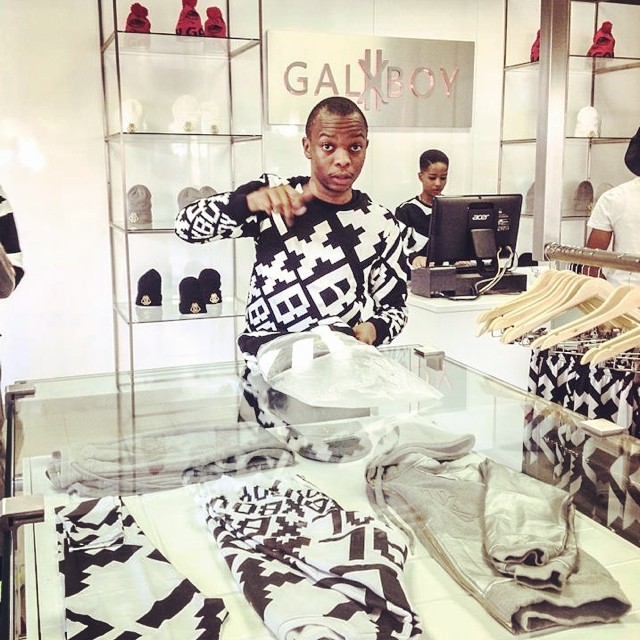
Yeah, so 2017 store closed down. I basically had… I basically went into hiding, because, you know, I was so embarrassed, you know, because I was the face of the brand, everything went through me, I did everything, so I had to run away for a bit, switch off my phone. Then basically while I was doing that, I basically, you know, I had a vision for the brand, where I wanted to be, so it wasn’t the end for me. So the closing of the store was basically just a young pothole on the journey that I had to go through, you know what I mean? So while I was underground, I basically started reworking the brand, you know, looking at my mistakes. I even took a business management course online. And I realized that I actually can’t do this alone, so that’s when I roped in my CEO… Keho, who then… Keho is actually the CEO’s cousin. So he told me, no, there’s my cousin does finance, blah blah blah. Let’s bring him in to help us structure our company properly so we can talk to people in the right language. So let’s say we came in, basically restructured everything. Then we started operating again, I think around 2020. And yeah, the rest is history, you know, we have…
Athabile Ngxamngxa (Head of Marketing, GALXBOY)
I think the really great thing about Galaxboy is that it was very community driven in the beginning, right? So the best way to scale a business is to get the people closest to you to buy in at first. So if you can convince friends and then friends of friends and then extended family and all of these people to back your business as a community, then that’s a stronger sell than you going to strangers and trying to, you know, from out of nowhere, just saying, oh, I’ve got this thing, buy into this thing. You know, if you’ve got a community that’s backing you, and that believes in what you’re doing, then it’s easier to then add to that footprint.
So what’s been really great with Galaxboy is that people attach an identity to the clothing that we wear, right? So you’ve got young aspirant people who are self-actualizing and then also figuring out that they want to belong to something bigger than themselves. So once you see Galaxboy or you see Tots or you see some of your favorite artists or you’re seeing this brand grow and become something that is unifying us as a country, but also being exported elsewhere, you kind of see it and you say, I actually want to be like that. Whether it’s in whatever it is I do as a person, I identify with that growth. I identify with that footprint. Identify with the way they look, the fact that they’re young, the fact that it’s young people doing all of these really cool things. I want to be this young person who can do the same, and I think that’s where we’re able to leverage that in the people that we speak to.
It also works the same way pretty much even in our corporate relationships in that, you know, companies like Standard Bank, our relationships work so well because we believe in the same things. What does Simon Sinek say? We don’t work with people who want what we have. We work with people who believe in what we believe in. So if Standard Bank didn’t necessarily believe in the township economy or Kasi SMEs, then they wouldn’t see the value in a Galaxboy and our relationship wouldn’t go very far. Another relationship we have now is that we’ve got our merchandising and licensing with Bafana Bafana, like this t-shirt that I’m wearing. And it’s the same thing. We believe in this country. We believe in young people. We believe in sports, arts, and culture. So that is then a natural collaboration and opportunity, which then speaks to young people who also believe in the same things.
So I think where a brand can be really strong is to identify exactly what you believe in and who that speaks to in your immediate circle, and then let that be the brand story… to say that this community believes in safety and that’s why there’s a security company that we are all helping grow, you know, things like that. Those are the small things that you start with in your own network to be able to then extend to the next phase of consumers.
Lesego Mosupye (Chief Financial Officer, GALXBOY)
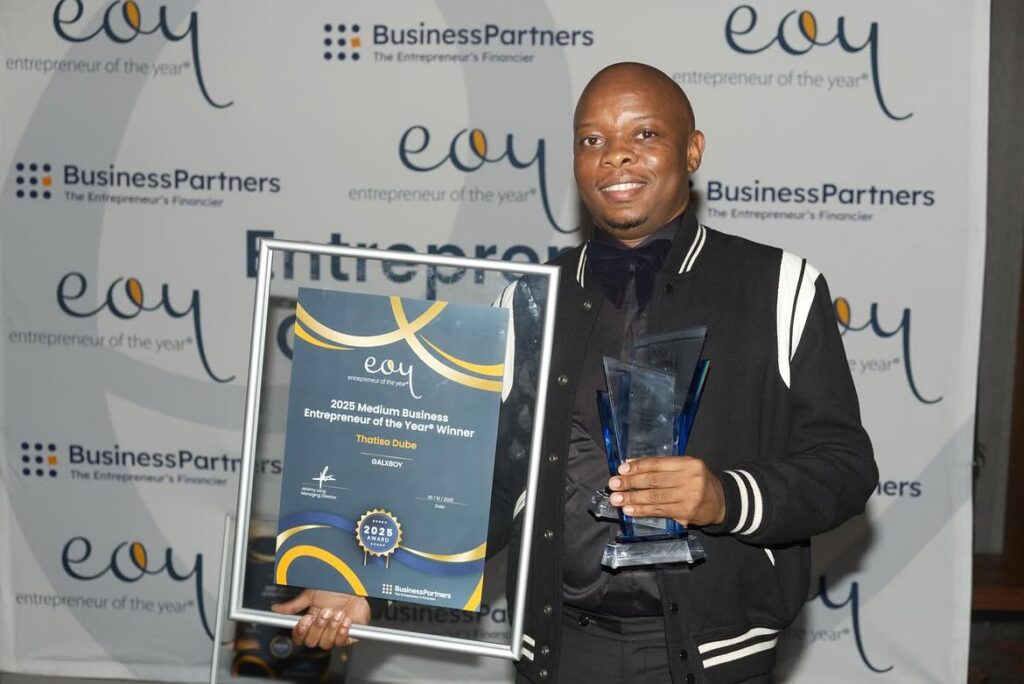
What was the main thing that really attracted me to Galaxboy was really the clarity of the vision that the team had about where they’re going to take the brand. And so having that clarity, having a very clear brand signature and an identity… for me over the years in corporate and business and investment banking, what I’ve learned is that once you have an idea that is sellable, everything else really is easy. Getting it to fund, dealing with processes are really important, but easy. So the key thing is: Do you have a market? Do you have customers? And are you clear about what is it that you’re doing? What is your value proposition? And that’s really the experience that I brought in. And all I really did was to take that understanding and repackage it to financiers, so that they can understand and be able to share in the vision.
And it was difficult, I must say. I mean, I think, you know, the first financiers we talked to couldn’t really understand the vision, couldn’t really understand…
Interviewer
’Cause in their minds, they’re just selling hoodies, t-shirts, and handbags.
Lesego Mosupye
Yeah, absolutely, absolutely, yeah. So it was really tough to translate that. And so what we then had to do, and I think this is really another element which is particularly Thatiso’s leadership, we had to bootstrap the business so that at least they can demonstrate a clear track record to sort of say, okay, this is what we’re able to do. On the back of that track record, then you start looking at, okay, what are the available funding options that meet that kind of track. And unfortunately Galaxboy is a cash business. So based on the cash business, based on the point of sale, you then identify, okay, there are financiers that look at that trade. Standard Bank’s facility, for instance, it’s like a self-liquidating facility that looks at cash flow that you generate in your bank.
So we did a lot of those type of facilities, which we then reinvested in the business to get it to grow. And that then helped in terms of getting the funding for our first major store in mainland. And then really sort of continued thereafter. If you look at the business, you gotta be very clear about who your key customer is and what is your brand in that. So you gotta create a… call it a supporter… Galaxboy runs on lifetime supporters, fans. That fan for your business is what’s gonna take you into the next step. And being able to translate that to your customer, to your value proposition is very key, because that’s really where everything else is gonna depend on that. If you can get that right, then it will help with the next steps around funding and everything that you need to be able to grow.
Thatiso Dube
With any business, invest in your product, like put your product as priority, build it, make it better, you know, get customers, even if… ’cause for me, I believe in, if I can sell one, I can sell a million, you know? So the first step, the first customer you get. You sell to them, then you go back to them and you research them, and you research people like them and sell to those type of people until you build a big pool of customers, right? Then things like funding, they will follow you as long as you improve your product and invest in your business. You know, Standard Bank will call you and you won’t have to call them. You know what I mean? So that’s what we did. We invested in the product, grew the value of the brand, and these guys came knocking. You know what I mean? So that’s why we’re on the air today and everything.
So I believe in hundred percent investing in your product, making it better. Even in terms of marketing… our topic is going to kill me, but I don’t believe in marketing that much. I believe in investing in the product, making it better, because that’s the only thing the customers can live with. They can’t live with a marketing campaign. They live with the product. It’s the t-shirt, it’s the experience, right? You know what I mean? So yeah. Just putting work into the product, then everything will follow you.
Athabile Ngxamngxa
Researching and understanding your competitors. So a lot of the ideas and the things that we sell or that we have, we’re not the first to do. Maybe we’ve bettered it. Maybe we’ve, you know, something’s evolved or it’s gotten better. But what is it about the people who have done what you’ve done that have made them successful? And trying to benchmark yourself against, am I doing that better than they are? Or where am I lacking and how do I bridge that gap between just doing this and being the best at it? So I think something that is really important is just benchmarking and understanding where you are in the market and what other offerings there are in what you’re trying to sell, and either adapting to be better than that, or maybe completely changing how it has been offered before.
Lesego Mosupye
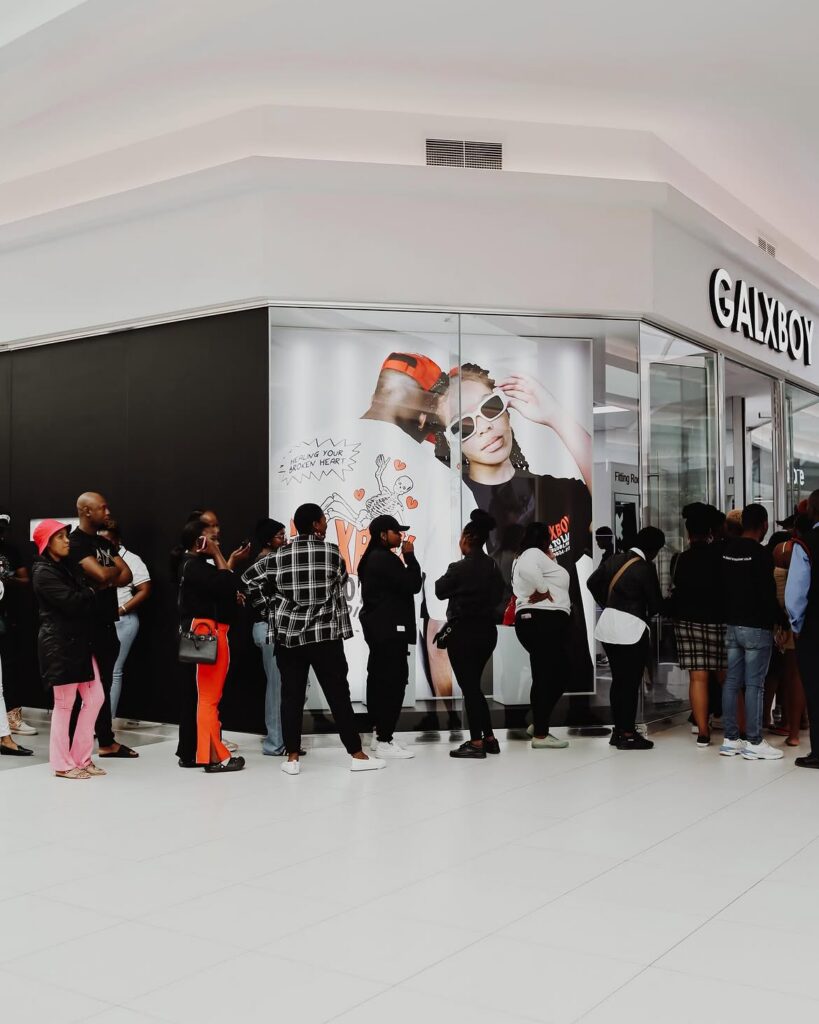
One of the great qualities that Thatiso has as an entrepreneur is he had the vision to let go. He doesn’t do everything. He focuses on what he’s good at and he’s good at creative, and we let him spend his time on the creative so we can deal with the other elements, because if he gets too worried about everything else, the creative juices are gonna disappear and then we don’t have the brand, we don’t do very cool stuff. So his ability to be able to sort of identify talent and say, okay, you run this, you run this, you run this, and I’m gonna keep here is one of the top things I really, really admire about him.
Athabile Ngxamngxa
Resilience, just the courage to try again. That experience with Galaxboy, having worn it when I was much younger and seeing it go through the different stages of the business and then Thatiso being able to dust himself off and try again, I think that’s what spoke to me, because if I’m going to go into something, I need to go into it with someone or with the people that I know will try again, right? Who will have that self-motivation and that drive within themselves to say, “Yo, we didn’t get that right, but you know what? We’re going to do that again, or we’re going to do something else, or we’re going to try this way or try another way.” So I think for me, it’s definitely the resilience and the fact that it’s spread throughout the business, that everyone is always willing to try another avenue to get to where we’re trying to get to. So that attracted me.
Thatiso Dube
The biggest thing is for you to do the research, because for you to be an international brand, you have to have the same standards, you know? So, for example, when I… before I started making t-shirts, I told myself I wanted to make a t-shirt like Nike, you know? Okay, so I go to the mall, check out the t-shirt, where it’s made, how it’s made, then research wherever it’s made and producing my product there, as if I am Nike, you know? So ’cause a lot of people have… a lot of companies have done what I’ve done, you know, your Nikes, your Adidas, etc. So if you want to be like them, you have to do what they do, you know? Yeah, obviously you can’t start at their scale, but you can start with what you can and use what you have. Understand? So that’s what I did. I did the research, and eventually as I grew capacity, I started making clothes where they make clothes, you know, use the shipping companies they use. So everything they do, I did. I copied their whole structure, but obviously the brand is different. So it’s all about researching and being what you want to be.
Whatever you want to do, someone has done it before, you know, so only thing you have to do is copy them, but make it better. So that’s what I’ve been doing this whole time, you know.
Athabile Ngxamngxa
Something that we don’t always do is giving ourselves a chance to research our customers, right? To really understand who they are, and either decide on that customer segment and saying, this is who we want to speak to, or this is the range we want to speak to, and then understanding where to find those people. So, like you said, if I’m selling a magwinya, and you know, that is something that is time sensitive, because I only want it in the morning, for example, right? Or it only makes sense in the morning before it becomes soggy, or whatever the case may be, then I need to find morning people.
Thatiso Dube
We’ve registered all our stuff globally currently. It doesn’t stop the guys at Small Street, though. Yeah, it doesn’t stop them, but that’s the first step you need to do. Register everything, you know. We also do training with SARS, so a lot of shipments get detained and destroyed when they come in, etc. And obviously the other thing we have to educate our customers… this is what the Galaxboy product looks like… also educate them on the quality, you know, and also basically just showing them that if you wear the real one, you’ll be a real one, you know what I mean?
The thing I told myself is, if there’s something you don’t like doing, hire someone who loves doing it. That’s it. The making of the product and creativity, that’s not really an issue, but the biggest challenge is making the structure so strong that, you know, it works, the business operates automatically and, you know, we can service our customers and give them a good service.
And the other thing about products… I think maybe the most difficult product was basically the sneakers, ’cause obviously sneakers is a very expensive project. You have to do molds for all sizes, and the mold could cost like… one mold per size could cost like a hundred thousand to two hundred thousand. So it’s a very big investment type of product. But as any business, everything requires a lot of patience. So eventually the sneakers will be one of our top selling products, but yeah. Takes time.
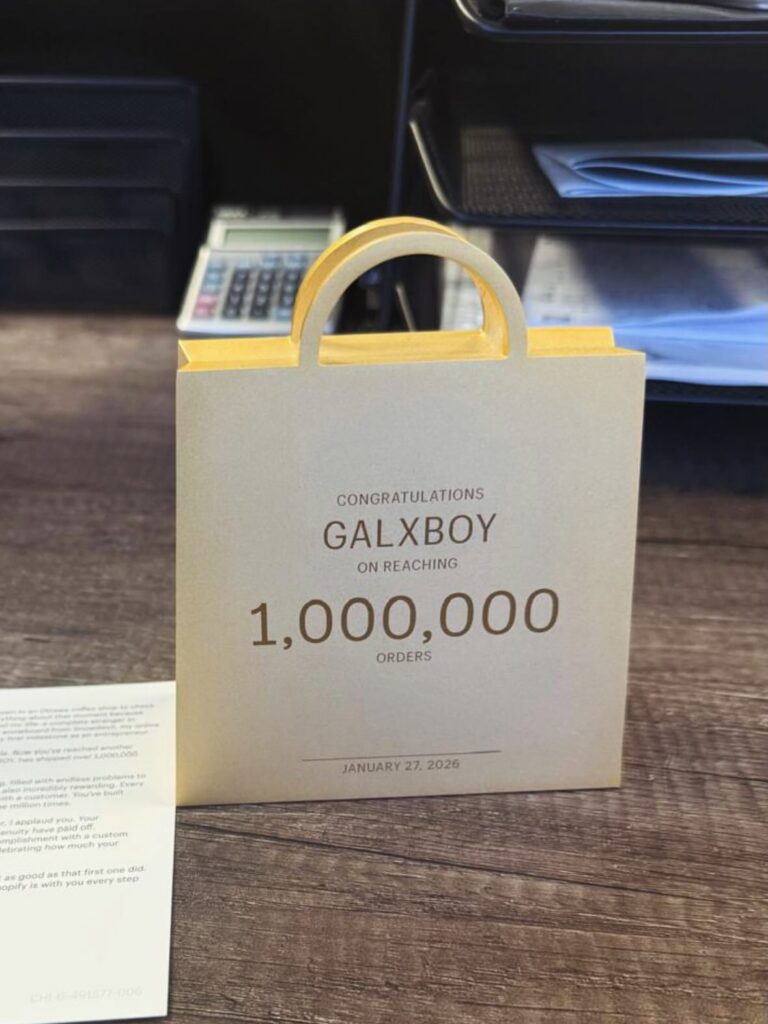
You know, we have 18 stores now. We have 250 plus employees, we have three warehouses. In January, we did our first million orders, you know, as a brand.
Thatiso Dube
Yes, we ship internationally. We’ve done pop-ups in Hong Kong, Paris, UK. So yeah, we growing brand and we still go.
Across South Africa’s townships, there are countless entrepreneurs, creatives, and innovators with the potential to become tomorrow’s industry leaders. But potential needs opportunity, access, support, and investment. Initiatives such as the Kasi SME Summit, designed to connect, fund, and scale township entrepreneurs, serve a vital purpose in creating those opportunities. The next Galaxboy could be out there right now. The question is, will we give them the opportunity to build?