
How Lisa Ortmann Brought Bed Bath Body to Life
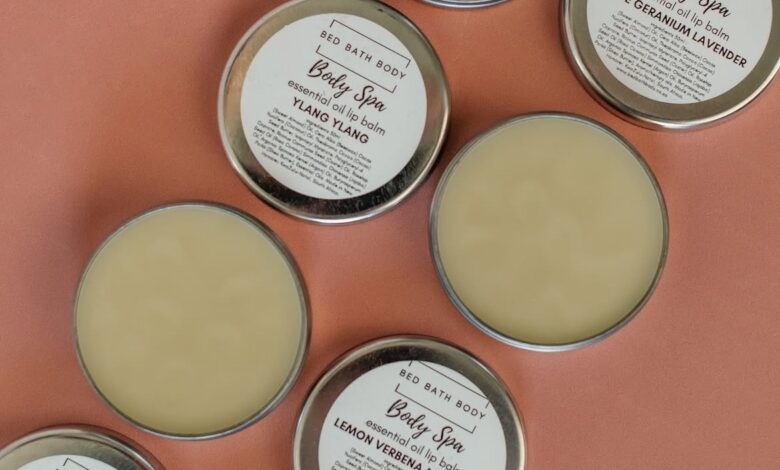
How Lisa Ortmann Brought Bed Bath Body to Life. Some businesses take years to move from an idea to reality. For Lisa Ortmann, the founder of Bed Bath Body, the journey unfolded much faster than expected. What began as a five-year plan became a reality in just two weeks, culminating in the opening of the brand’s first concept store on 19 May 2017.
Bed Bath Body was built around a straightforward idea: natural body care should be about more than the products people apply to their skin. The brand also wants to make people feel golden, placing a positive sense of wellbeing at the centre of its identity.
Ortmann’s upbringing played a role in shaping her entrepreneurial outlook. Growing up with creative and entrepreneurial parents, whom the brand describes as the ultimate power couple, she developed a background that informed her decision to create a collection exploring natural body care.
Her experience offers an interesting perspective on entrepreneurship. Building a business involves turning personal interests into a defined offering, but it also requires the willingness to act when an idea becomes something a founder wants to pursue.
Bed Bath Body’s early history provides several useful insights for entrepreneurs, particularly those looking to build a brand around personal interests, establish a distinctive identity and develop products with a clear point of origin.
Turning Personal Interests Into a Brand With Purpose
Bed Bath Body’s identity begins with natural body care and the desire to make people feel golden. Rather than separating the product offering from the feeling the brand wants to create, these ideas sit together at the heart of its concept.
This provides an important lesson for entrepreneurs: a business needs a clear understanding of what it wants to represent.
A product category tells customers what a business sells. A brand identity communicates the thinking behind the offering and helps establish a recognisable direction.
For Bed Bath Body, natural body care provides the foundation, while its emphasis on making people feel golden adds an emotional dimension to the brand’s positioning.
Entrepreneurs can apply this principle by identifying the central idea they want customers to associate with their businesses. That idea should be relevant to the products and reflected consistently in how the brand communicates.
However, a compelling identity must be supported by the actual offering. In the case of a body care business, the products themselves remain central to delivering the experience the brand promises.
The opportunity lies in connecting the practical purpose of a product with a clear and authentic brand philosophy.

Acting on an Idea Before the Five-Year Plan Was Complete
One of the most distinctive details in Bed Bath Body’s story is the speed at which the business came together.
According to the brand, what had initially been planned over five years escalated into a launch within two weeks. Ortmann then opened the first concept store on 19 May 2017, giving the business a physical starting point.
This turning point highlights the difference between planning a business and actually establishing one.
Planning can help entrepreneurs clarify their ambitions, but a plan also needs to lead to decisions and action. Bed Bath Body’s early development illustrates how a business idea can move from a longer-term vision to a tangible venture in a much shorter period than originally anticipated.
That does not mean every entrepreneur should rush into launching a business. The available information does not explain which preparations were completed during those two weeks or what resources made the launch possible.
The more practical lesson is to distinguish between the time needed to develop an idea and the steps required to bring it to market.
Entrepreneurs can benefit from identifying the essential requirements for launching their businesses, setting priorities and concentrating on the actions necessary to establish an initial offering.
A long-term vision can provide direction, but progress ultimately requires execution.
Building the Brand Around a Distinctive Experience
Bed Bath Body’s first concept store marked an important point in its development. The store gave the brand a physical presence from which to introduce its offering.
The significance of this milestone lies in the decision to establish a dedicated retail environment rather than defining the business solely through its products.
For consumer brands, the way an offering is presented can influence how customers encounter and understand it. A physical store provides a setting in which products can be displayed together under a consistent brand identity.
However, there is no supplied information confirming the store’s sales performance, customer numbers or the specific marketing activities used to attract visitors. It would therefore be inaccurate to attribute the brand’s subsequent development to a particular retail or promotional strategy.
Instead, the broader entrepreneurial insight is to make deliberate decisions about how customers will encounter a business.
Founders should consider which sales channels suit their products, how those channels communicate the brand’s identity and what resources are needed to maintain them.
For some businesses, a physical store may be appropriate. Others may choose online retail or a combination of channels. The right decision depends on the business and its customers rather than a universal formula for growth.

Why Manufacturing in KwaZulu-Natal Matters to the Brand’s Story
Bed Bath Body formulates and manufactures all its products at its factory in New Hanover, KwaZulu-Natal.
The factory is situated between a large eucalyptus forest and a building dating back to the early 1900s. These details provide a specific sense of place within the brand’s story.
For a South African business, communicating where products are developed and manufactured can help customers understand the operation behind the brand.
Bed Bath Body can point to a defined manufacturing location rather than leaving customers with a story that focuses only on the founder or the finished products.
Entrepreneurs can draw a practical lesson from this approach: communicate verifiable details about how and where a business operates.
The manufacturing location is an established part of Bed Bath Body’s identity. However, the available information does not specify its production capacity, workforce, sourcing practices or distribution network. Those details should not be assumed when evaluating the business.
For other founders, the useful starting point is to identify the genuine characteristics of their operations that customers may find relevant and explain them clearly.
Drawing Inspiration From Everyday Life
Ortmann’s creative process is another part of the brand’s story. She describes taking in the beauty South Africa has to offer, drawing inspiration from her dreams, lighting candles and sipping coffee.
These personal details offer a glimpse into the founder’s world and the environment in which she finds inspiration.
For entrepreneurs developing creative products, maintaining a connection to their interests can help inform the ideas they explore. However, inspiration needs to be translated into a coherent offering that customers can understand.
Bed Bath Body’s natural body care focus provides that commercial foundation, while Ortmann’s personal interests add context to the story behind the business.
The lesson is not that a particular routine guarantees successful product development. Rather, founders can recognise the value of their own perspectives while remaining focused on the purpose and quality of what they create.
A brand’s story is most useful when it complements the product instead of replacing it.

What Entrepreneurs Can Take From Bed Bath Body
Bed Bath Body’s journey began with Lisa Ortmann’s interest in natural body care and an entrepreneurial background shaped by her parents. A plan originally intended to take five years became a business launched within two weeks, followed by the opening of its first concept store on 19 May 2017.
Today, the brand’s stated operations include formulating and manufacturing its products in New Hanover, KwaZulu-Natal, giving its story a defined South African base.
Several practical principles emerge from these details. Entrepreneurs can build around a clear product philosophy, turn plans into actionable steps, make deliberate choices about how customers encounter their brands and communicate the genuine details that distinguish their operations.
Bed Bath Body’s story also illustrates the value of connecting a founder’s personal interests with a defined commercial offering.




