LIKA’s Slow Fashion Strategy Is Built Around Fewer, Better Pieces

LIKA’s Slow Fashion Strategy Is Built Around Fewer, Better Pieces. In 2022, Alika Steyn turned a personal frustration with modern fashion into the foundation of LIKA. As someone who had loved fashion from a young age, Steyn was familiar with the constant arrival of new trends. Yet she found herself looking for something different: clothing that felt contemporary, beautifully made and effortless to wear, while offering the versatility, fit and quality needed to remain relevant beyond a single season.
Instead of continuing the search, she decided to create the pieces she wanted herself.
That decision became LIKA, a South African fashion brand built around a more considered approach to modern dressing. At its core is a simple proposition: women should be able to invest in fewer, better pieces that can be worn repeatedly, styled differently and remain part of their wardrobes for years.
For aspiring entrepreneurs, LIKA’s story demonstrates how a personal frustration can become a focused business proposition when the founder identifies the unmet need behind it.
Turning a personal frustration into a clear opportunity
LIKA did not emerge from a desire to chase the latest fashion trend. Its starting point was the difficulty Steyn experienced in finding versatile clothing with exceptional fit, enduring quality and timeless appeal.
That distinction became important to the brand’s positioning.
LIKA exists to help women build wardrobes with intention. Rather than competing for attention through constant trend changes, the brand focuses on modern classics that can be worn in different ways and across different aspects of everyday life.
This creates a clear answer to a specific customer need.
For entrepreneurs, the lesson is to pay attention to recurring frustrations. A founder’s personal experience can reveal a broader opportunity when it points to something other people may also struggle to find.
The strongest business ideas are not always created by inventing something entirely new. Sometimes they come from doing something familiar in a way that better reflects what customers actually want.
Designing clothes around real life
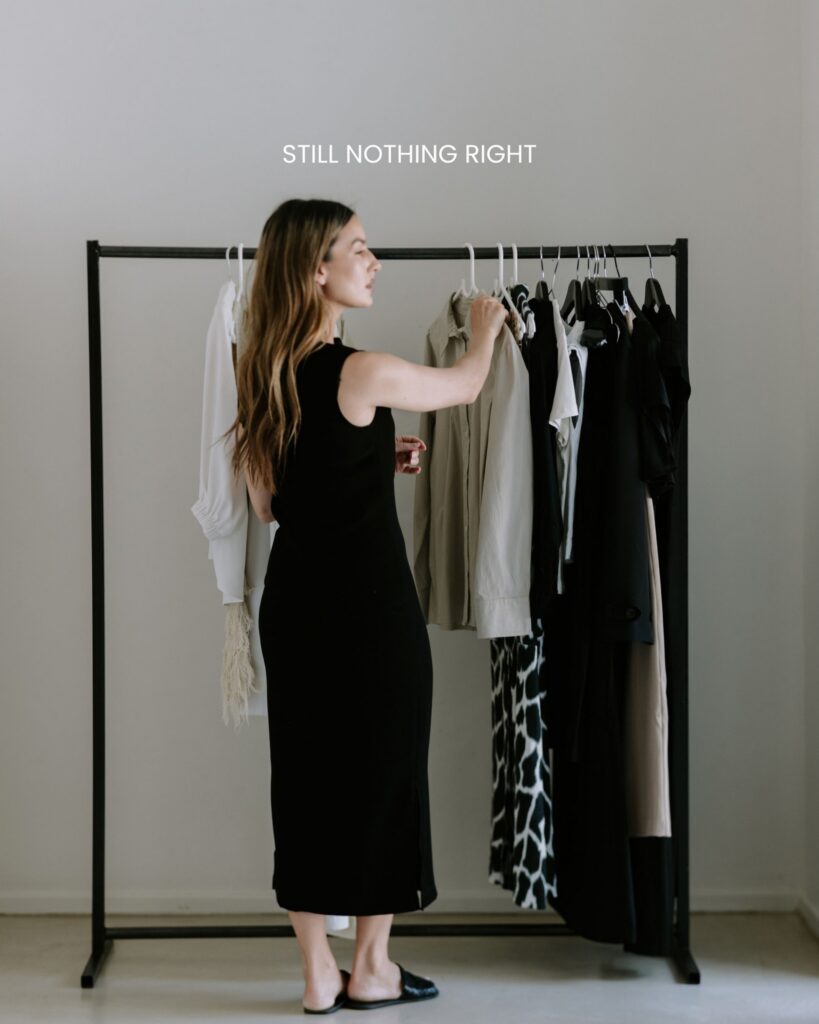
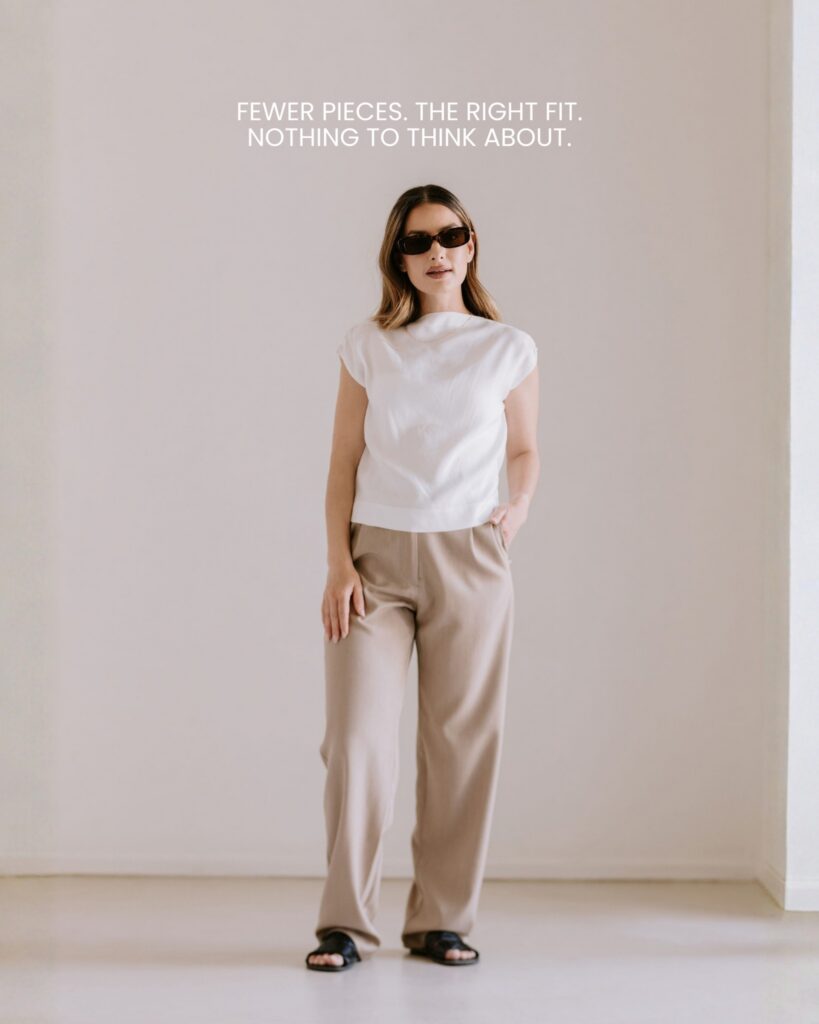
LIKA’s collections are built around thoughtful silhouettes, refined simplicity and practical elegance.
The brand’s clothing is designed for modern women navigating work, travel, family, creativity and everyday life. That emphasis on versatility means the garments are not intended for only one occasion or one way of being worn.
This is central to the brand’s strategy.
Instead of asking customers to constantly replace their wardrobes as trends change, LIKA encourages them to build around pieces that can work repeatedly and in different combinations.
For a fashion entrepreneur, that provides a useful product development lesson. Understanding how customers actually use a product can be just as important as understanding what they find visually appealing.
LIKA’s approach connects design to the realities of its target customer, making versatility part of the product rather than simply a marketing claim.
Choosing small quantities over volume
LIKA deliberately produces in small quantities.
The decision reflects the brand’s belief in creating responsibly, while allowing it to reduce unnecessary waste and avoid overproduction. Limited runs also give each garment greater attention to detail.
This approach represents a different way of thinking about growth.
Instead of making volume the central measure of success, LIKA places emphasis on quality and intentional production. The brand’s slower approach gives it a clear operational philosophy that supports its wider positioning.
For entrepreneurs, this demonstrates that constraints can sometimes strengthen a business model. Producing less can encourage greater attention to what is actually being made, how much is needed and why customers should choose it.
The key lesson is not that every business should produce in small quantities. It is that production decisions should support the proposition a brand is making to its customers.
Keeping manufacturing close to home
LIKA proudly manufactures locally in South Africa.
Producing close to home allows the brand to work closely with its makers, maintain its standards of craftsmanship and support local skills and industry. It also enables more thoughtful production and helps reduce excess inventory.
Local manufacturing therefore plays several roles within the LIKA model.
It supports the quality of the garments while connecting the brand more directly to the people involved in making them. At the same time, it contributes to the local economy.
For emerging fashion businesses, this highlights the value of understanding where a product comes from. Manufacturing is not simply an operational decision. When it aligns with a brand’s values, it can become part of the reason customers understand and trust the business.
Building a brand around longevity
The idea of longevity runs through LIKA’s approach.
The brand focuses on pieces that feel relevant today while remaining beautiful tomorrow. That means timeless appeal is not treated as the opposite of modernity. Instead, LIKA combines contemporary design with an intention for repeated wear.
This gives the brand a consistent foundation.
Rather than relying on fast-moving trends to define its collections, LIKA builds around modern classics and versatility. The result is a proposition centred on helping customers make more deliberate choices about what enters their wardrobes.
For entrepreneurs, the lesson is to identify what should remain consistent even as a business evolves. Trends will change, customer preferences will shift and markets will move, but a clear underlying philosophy can provide stability.
Making fewer pieces mean more
LIKA’s journey began with Alika Steyn wanting to create the clothing she struggled to find herself. From that starting point, the brand has developed a model built around intentional wardrobes, versatile design, limited production and local manufacturing.
Its strength comes from the consistency between those decisions.
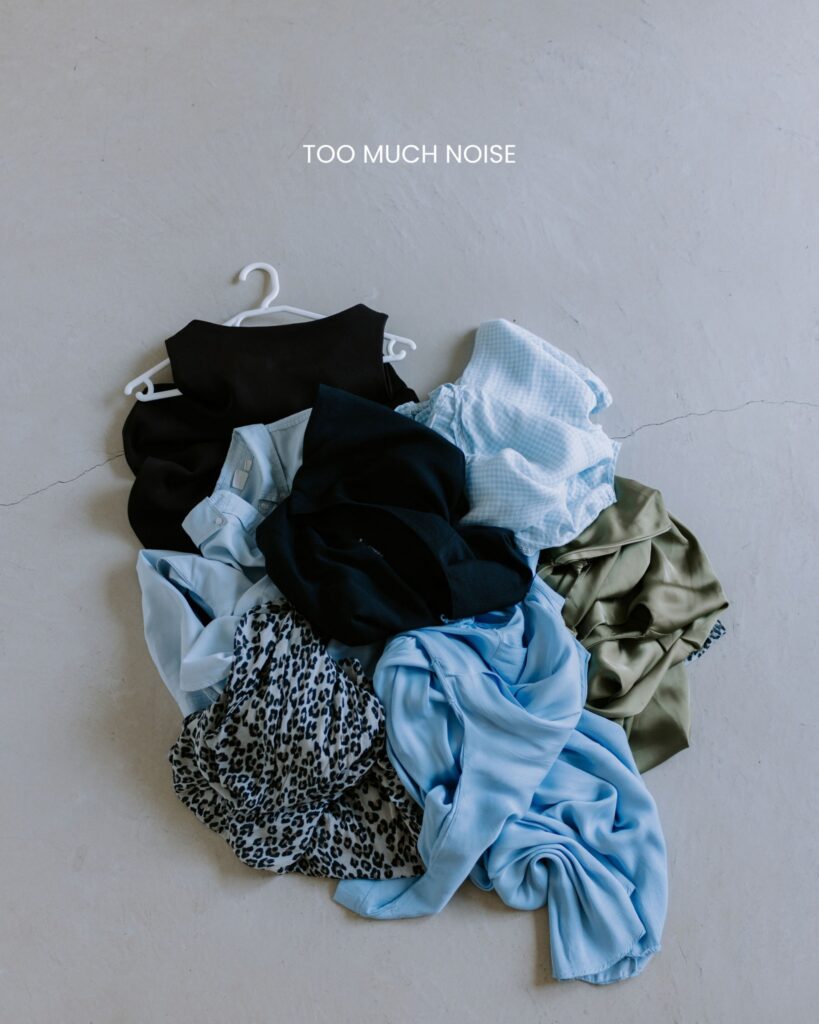
The garments are designed for repeated wear. Production is kept in small quantities. Manufacturing remains local. The overall proposition focuses on quality rather than volume.
For aspiring entrepreneurs, the bigger lesson is that differentiation can come from refusing to follow the obvious path.