
Nammu & Clay Atelier: How Jade Turned a Passion for Ceramics Into a Creative Studio
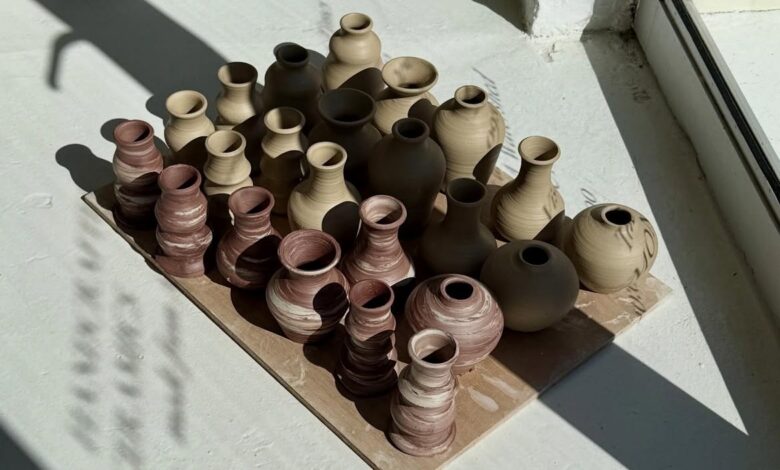
Nammu & Clay Atelier: How Jade Turned a Passion for Ceramics Into a Creative Studio. For Jade, the founder of Nammu & Clay Atelier, ceramics is more than a process of shaping clay. It is a way to explore material, mythology, the feminine and the rituals that give everyday objects meaning. Her work reflects an appreciation for natural textures, earthy colours and the irregularities that make each piece distinctive.
The journey towards establishing her Cape Town atelier began years before the business opened. In 2016, Jade graduated from the Willem de Kooning Academy in Rotterdam with a research project titled Crangon Crangon. The project earned her the WdKA Research Prize that year and marked an important point in the development of her interest in ceramics and materials.
After pursuing ceramics as a hobby for several years, Jade established Nammu & Clay Atelier in early 2021.
The business has since involved collaborations with international and South African private clients, restaurants and farms, producing exclusive tableware, decor and ritualware for individual projects. Jade also shares her workspace and knowledge through workshops, creating opportunities for others to explore the craft.
Nammu & Clay Atelier offers a useful perspective on building a creative business. Its development highlights the value of specialised knowledge, a distinctive artistic identity, collaborative work and finding ways to share expertise beyond the products themselves.
Let Research Inform Your Creative Direction
Jade’s academic background is an important part of the Nammu & Clay Atelier story. Her 2016 research project earned recognition through the Willem de Kooning Academy’s Research Prize and helped develop her interest in ceramics and material exploration.
This provides a practical example of how research can contribute to a creative entrepreneur’s development. Before establishing the atelier, Jade had already spent time exploring materials and developing an interest that would later inform her business.
Her approach to clay reflects this curiosity. She admires its vibrant hues and embraces the natural, irregular textures of earthy and wild clays rather than treating uniformity as the only measure of a finished object.
For entrepreneurs, the broader lesson is to develop a strong understanding of the materials, techniques or subject matter at the centre of their work.
In creative industries, this knowledge can help founders make more considered decisions about design and production. It can also provide a foundation for developing a recognisable style.
Research does not have to take place in an academic institution. Entrepreneurs can explore materials, study techniques, experiment with processes and learn from experienced practitioners.
The important point is to approach creative work with curiosity and a willingness to develop knowledge over time.
Turn a Personal Practice Into a Defined Business
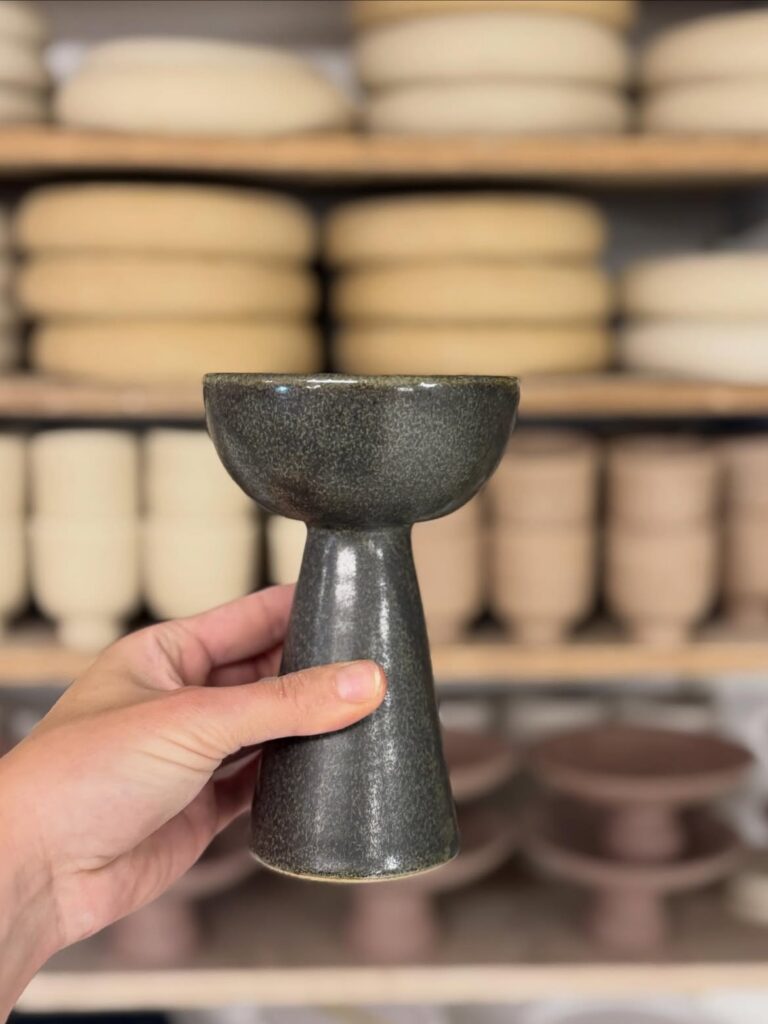
Jade pursued ceramics as a hobby for years before establishing Nammu & Clay Atelier in Cape Town in early 2021.
That transition represents a significant point in the brand’s development. A personal creative practice became the foundation of a business with a defined identity and an offering for clients.
However, the available information does not specify the circumstances that prompted Jade to establish the atelier or the financial considerations involved in the transition. Its development should therefore not be presented as the result of a particular commercial strategy.
What the timeline does demonstrate is that the business emerged from an established interest in ceramics rather than an unrelated product idea.
For aspiring entrepreneurs, this offers a useful starting point for considering how a skill or creative interest might become a business.
The process involves identifying what the founder wants to offer, understanding the work required to produce it and considering who might value the finished product.
Creative ability is an important foundation, but operating a business also requires decisions about production, customer relationships and the time needed to complete projects.
Nammu & Clay Atelier illustrates how an interest developed over several years can eventually become the basis for a dedicated creative enterprise.
Build a Distinctive Identity Around the Work
Nammu & Clay Atelier draws inspiration from material research, ancient pottery, mythology, the feminine and rituals. These themes provide a clear sense of the ideas that inform Jade’s practice.
The atelier’s approach to clay also contributes to its identity. Its appreciation for natural colours and irregular textures suggests a creative direction that embraces the characteristics of the material itself.
For a creative business, a recognisable identity can help communicate what makes its work different. That identity does not have to depend on a large product range or an elaborate marketing campaign. It can emerge through consistent choices about materials, forms, techniques and inspiration.
Entrepreneurs can apply this principle by identifying the qualities that define their work and ensuring that those qualities remain visible across their offering.
For Nammu & Clay Atelier, the relationship between clay, research and artistic expression is central to the brand’s story.
The lesson is to develop a creative direction that is grounded in the work itself. A clear identity gives customers and collaborators a better understanding of the ideas behind a product and the perspective of the person who creates it.
Collaborations Create Opportunities Beyond Individual Sales
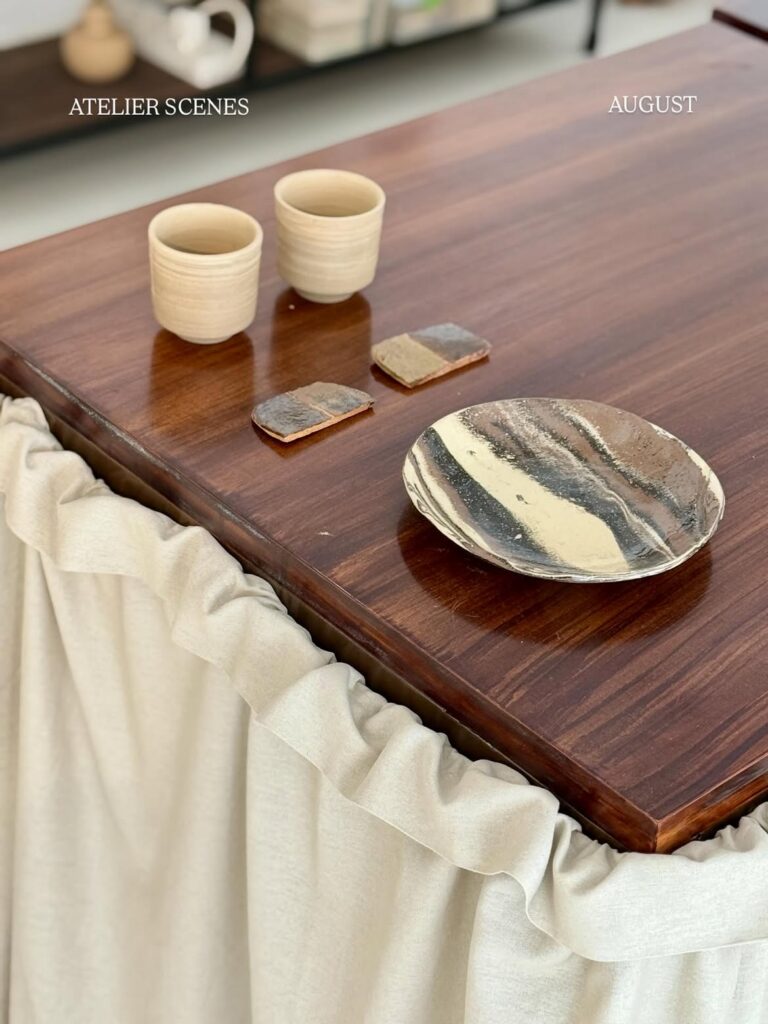
Over the years, Jade has collaborated with private clients, restaurants and farms in South Africa and internationally, creating exclusive tableware, decor and ritualware for projects.
These collaborations demonstrate that the atelier’s work extends beyond a single standardised product offering. Its creations can be developed for different clients and settings.
For entrepreneurs, this highlights the importance of considering how their skills might serve different types of customers.
A ceramic artist, for example, may create objects for individual buyers while also working with businesses that need pieces for specific projects. Each opportunity can involve a different brief and set of requirements.
However, the available information does not detail the individual collaborations, their commercial value or how clients first discovered the atelier. It would be inaccurate to attribute its development to a particular networking or marketing strategy.
The practical lesson is to understand the range of applications a business’s expertise can support.
Entrepreneurs can explore whether their products or services are relevant to other customer groups, while remaining attentive to the resources and capabilities required to serve them.
Collaborations can also require clear communication about design expectations, timelines and the scope of work. Establishing these details helps both parties understand what a project involves.
Share Knowledge Through Workshops
Nammu & Clay Atelier is not only a place where Jade creates ceramic objects. Within what the brand describes as its little Clay Sanctuary, she works alongside a team of women and offers workshops to people interested in exploring clay.
Sharing space, knowledge and a love for the craft adds another dimension to the atelier’s activities.
The workshops create opportunities for people to engage with ceramics directly, rather than encountering the craft only through finished products.
For creative entrepreneurs, this raises an important consideration: expertise can sometimes be shared through experiences as well as physical products.
Depending on the business, these experiences might take the form of workshops, demonstrations or other opportunities for customers to learn about a craft.
Such activities require planning and should fit the founder’s capabilities and priorities. The available information does not establish how frequently Nammu & Clay Atelier holds workshops or what proportion of its business they represent.
Nevertheless, the atelier’s decision to share its knowledge illustrates how a creative business can make its practice accessible to others while remaining rooted in its original craft.
What Entrepreneurs Can Learn From Nammu & Clay Atelier
Jade’s journey from a research project at the Willem de Kooning Academy in 2016 to establishing Nammu & Clay Atelier in Cape Town in early 2021 demonstrates how a long-standing creative interest can develop into a business.
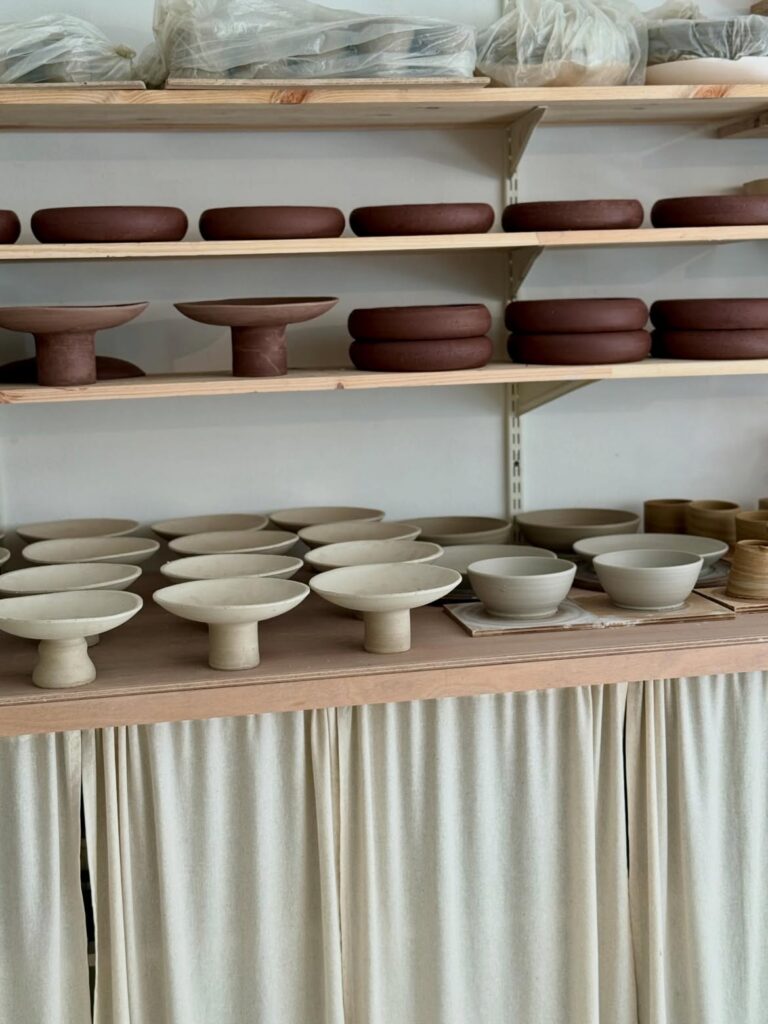
The atelier’s work brings together material exploration, a distinctive artistic perspective, collaborations with private clients and businesses, and workshops that introduce others to ceramics.
For aspiring entrepreneurs, the practical takeaways are to develop expertise before relying on it commercially, build an identity that reflects the work, explore different applications for existing skills and consider how knowledge can be shared with others.
These principles do not guarantee commercial success, but they provide useful ways to think about building a creative enterprise.




