Minimalist Design: How Meaningful Jewellery Shaped a Johannesburg Brand
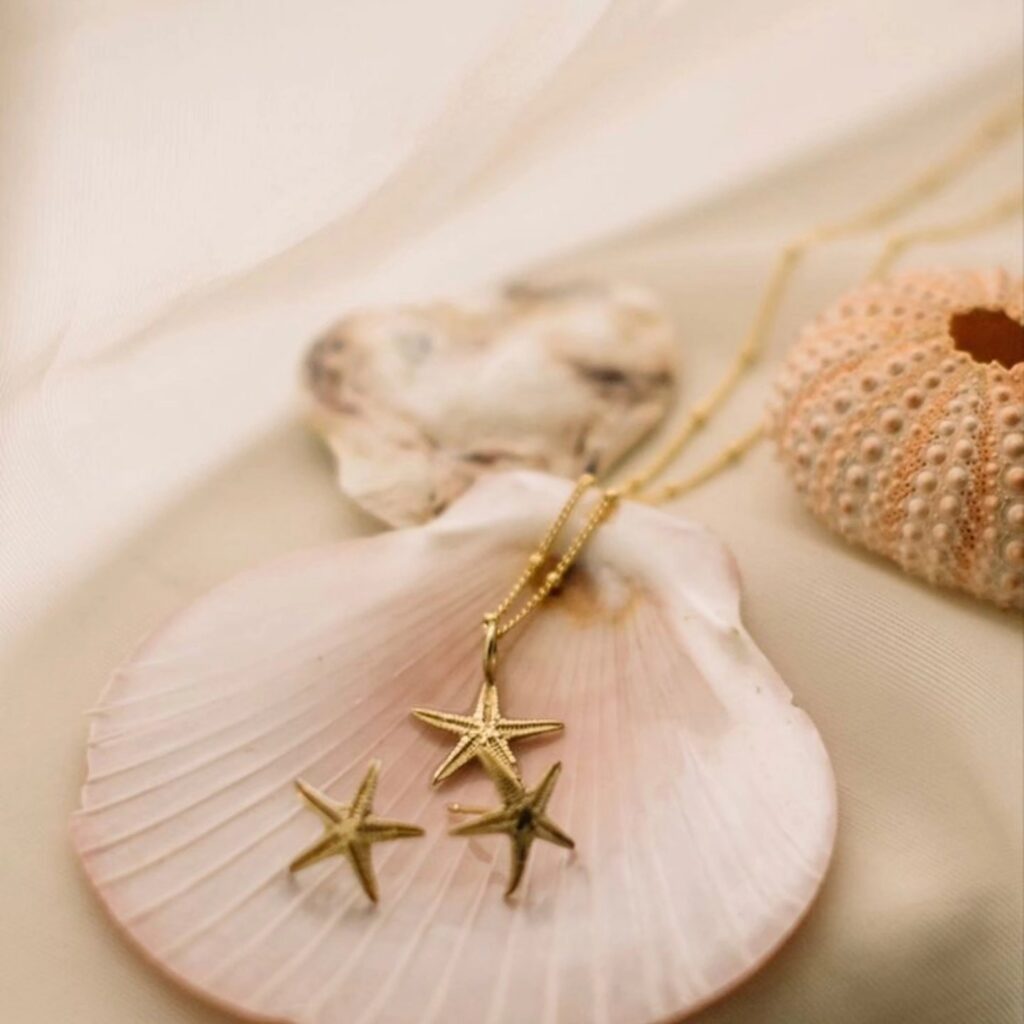
Minimalist Design: How Meaningful Jewellery Shaped a Johannesburg Brand. Jewellery is often chosen for how it looks, but some pieces become valuable for what they represent. A charm can hold a personal memory, a necklace can tell a story, and a bracelet can mark an important moment. Minimalist Design has built its brand identity around this connection between personal meaning and thoughtful design.
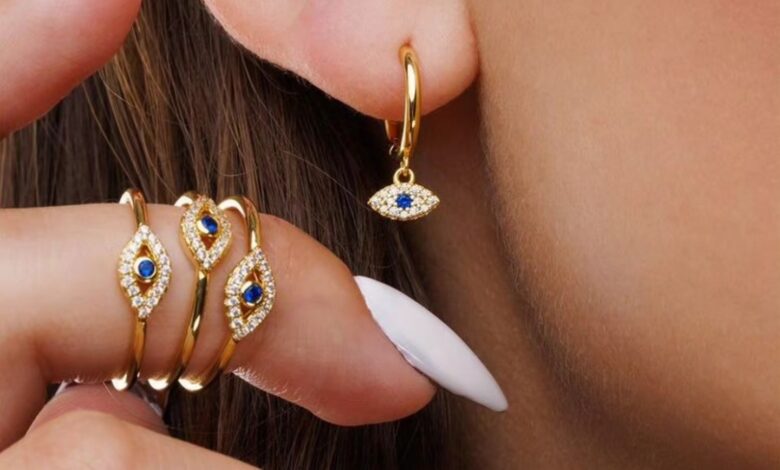
Based in the heart of Johannesburg, Minimalist Design is a proudly female-led jewellery design and manufacturing studio. Its collections bring together timeless minimalist pieces for everyday wear and bespoke designs created to capture personal stories and special occasions.
This combination gives the brand two clear areas of focus. It caters to customers looking for understated jewellery that complements their everyday style, while also offering a more personalised approach for those seeking something with individual significance.
For aspiring entrepreneurs, one of the first lessons is the importance of having a recognisable brand proposition. A business does not necessarily need to appeal to customers through an entirely new product category. It can build its identity by offering a distinctive experience within an established market.
Balancing Everyday Jewellery With Personal Expression
One of Minimalist Design’s defining strengths is the range of needs its collections address. Its minimalist jewellery is designed to elevate everyday style, while its bespoke offering allows customers to explore designs connected to their own experiences and milestones.
This creates an opportunity to serve customers with different purchasing motivations without moving away from a consistent design philosophy.
The approach also demonstrates the value of understanding the emotional role a product can play. Jewellery is not simply an accessory. For many customers, it can represent relationships, memories and personal achievements. By placing these meanings at the centre of its product philosophy, Minimalist Design gives customers a reason to look beyond appearance when considering a purchase.
The practical lesson for entrepreneurs is to understand the different reasons people buy a product. Identifying these motivations can help a business develop complementary offerings while maintaining a clear brand identity.

Why Craftsmanship Is Central to the Brand
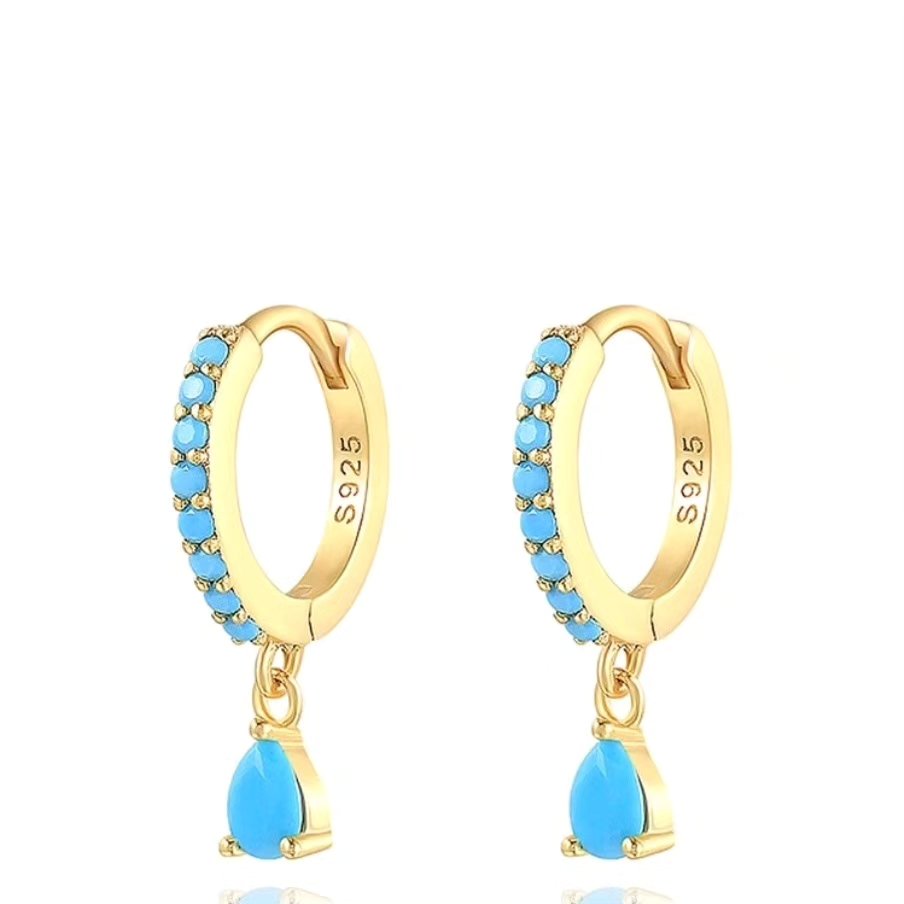
Minimalist Design places considerable emphasis on the details involved in making its jewellery. The studio highlights its use of durable, high-quality metals and components, alongside careful finishing by hand.
Its philosophy is that quality is found in the details, from material selection to the final finish of each charm. This attention to production is particularly important in a category where customers want pieces that remain attractive and reliable through regular wear.
The brand’s focus on craftsmanship also supports its positioning around longevity. Rather than presenting jewellery purely as a fashion accessory, it describes its products as pieces designed to last and be cherished.
For a small or independent business, this offers an important lesson: product quality should be part of the brand promise, not simply a statement used in marketing. The materials, production process and finished product need to support the expectations created by the business.
Sustainability and Ethical Sourcing as Brand Values
Consumers have become increasingly interested in the origins and production of the products they purchase. Minimalist Design identifies sustainability and the ethical sourcing of materials as important commitments within its business.
These principles form part of how the studio describes its approach to jewellery manufacturing. The emphasis is not limited to creating attractive pieces. The brand also wants customers to feel good about owning them.
This is a useful example of how business values can contribute to brand positioning. When values are connected to actual business decisions, they give customers another way to understand what a company stands for.
For entrepreneurs, the lesson is to be specific about the principles guiding a business. Broad claims about responsibility are less meaningful than clear commitments that can be reflected in material choices, manufacturing practices and communication with customers.
Minimalist Design identifies ethical sourcing and sustainability as priorities, although the available information does not provide further details about specific sourcing standards or environmental initiatives.
A Female-Led Studio With a Distinct Design Identity
Operating as a proudly female-led jewellery design and manufacturing studio gives Minimalist Design a clear part of its business identity. Its Johannesburg base also places it within the city’s creative and commercial environment.
The brand combines modern elegance with artistic precision, using a design approach that prioritises individuality and refined beauty. This consistency is important because customers encounter the same central philosophy across its everyday collections and bespoke pieces.
For entrepreneurs, a recognisable identity can help a business communicate what makes it different. This does not require complicated messaging. A clear design language, consistent product standards and a well-defined purpose can make a brand easier for customers to understand and remember.
The Business Lessons Behind Minimalist Design
Minimalist Design’s approach highlights several practical considerations for entrepreneurs entering competitive product markets.
First, a focused identity matters. Its combination of minimalist everyday jewellery and bespoke designs creates a clear proposition without relying on an unnecessarily broad product offering.
Second, attention to product details can strengthen customer confidence. Durable materials, careful finishing and an emphasis on quality help communicate what customers can expect from the products.
Third, emotional value can make an ordinary purchase more personal. By recognising that jewellery can represent memories and milestones, the brand connects its products to experiences beyond their physical appearance.
Finally, business values should be reflected in the product itself. Minimalist Design’s stated commitment to sustainability and ethical sourcing forms part of its wider promise to customers.
The information available does not detail the studio’s founding journey, sales performance, marketing campaigns or expansion plans. However, its stated approach offers a useful example of how a jewellery business can build a distinctive identity around design, personal expression and craftsmanship.
Ultimately, Minimalist Design demonstrates that a product does not have to be elaborate to feel special. Through considered design, attention to quality and an emphasis on personal meaning, the Johannesburg studio positions jewellery as something customers can wear with confidence and cherish over time.