
From Sekhukhune to Safari Style: The Business Lessons Behind Mokatani’s Rise

From Sekhukhune to Safari Style: The Business Lessons Behind Mokatani’s Rise. Fashion businesses often begin with a sketchbook, a sewing machine, or a dream. For Malebo Matlala, the journey behind the Mokatani brand started with something equally powerful: the decision to build something rooted in identity, craftsmanship, and opportunity.
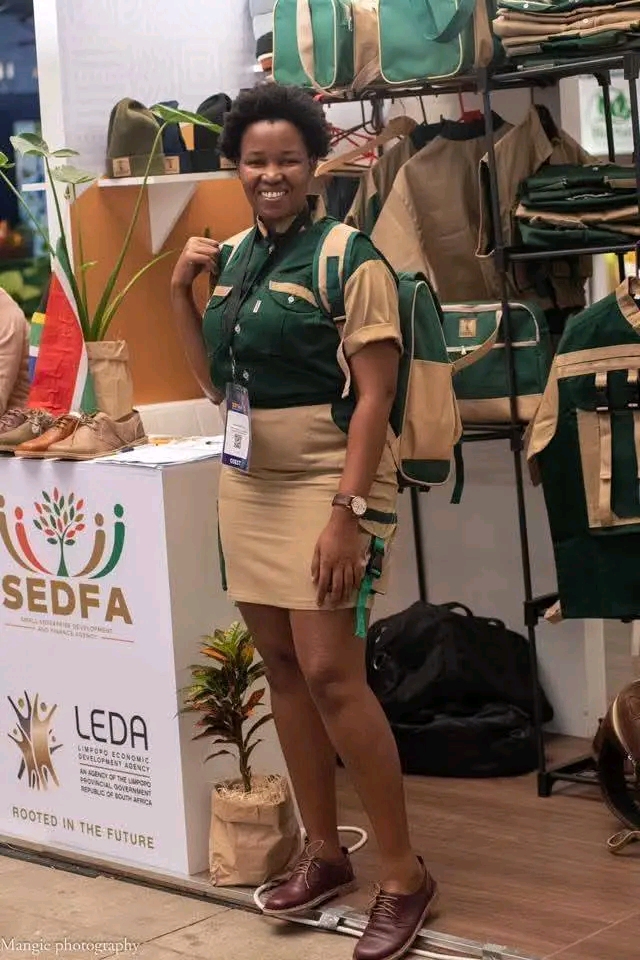
Born in Sekhukhune and trained at Sekhukhune TVET College, Malebo Matlala stepped into the competitive fashion space with a focused vision. Instead of chasing every trend in the market, she carved a lane of her own by manufacturing safari outfits under her brand, Mokatani. In an industry crowded with fast changing styles and mass production, that decision alone revealed an important entrepreneurial lesson: brands become memorable when they stand for something specific.
Today, Mokatani represents more than clothing. It reflects ambition, local manufacturing, and the determination to build a proudly South African fashion business from the ground up.
Building a Brand Around a Clear Identity
One of the biggest strengths behind Mokatani’s growth is clarity. Many emerging businesses struggle because they attempt to serve everyone at once. Mokatani took a different path.
By focusing on safari outfits, the brand positioned itself within a distinct market segment instead of competing broadly in mainstream fashion. That decision gave the business a recognisable identity and helped separate it from countless generic clothing labels entering the market every year.
Safari inspired fashion carries strong associations with durability, outdoor lifestyle, utility, and South African heritage. By aligning the brand with this niche, Malebo created a business that immediately communicates a certain look and feel to customers.
For entrepreneurs, this offers a valuable lesson: niche positioning can often create stronger customer recognition than trying to dominate a broad category too early.
A focused brand identity also makes marketing easier. Customers remember businesses that communicate a clear purpose and aesthetic.
Turning Education Into Practical Opportunity
Another important turning point in Malebo Matlala’s journey is the connection between education and entrepreneurship.
As a graduate of Sekhukhune TVET College, she transformed technical knowledge into a commercial venture. Rather than viewing education only as a pathway to employment, she used it as a foundation for ownership.
That distinction matters.
Across many industries, technical and vocational skills are often underestimated, yet businesses like Mokatani demonstrate how practical training can evolve into sustainable enterprises. Fashion design and garment manufacturing require precision, consistency, and understanding of materials. Those skills become especially important when creating products meant for long term wear and functionality.
For aspiring entrepreneurs, the lesson is clear: skills are valuable assets when paired with initiative. A qualification alone may not build a business, but applied knowledge can create opportunities that extend far beyond traditional employment.
The Power of Starting Where You Are
There is something powerful about businesses that emerge outside major commercial hubs. Mokatani’s roots in Sekhukhune show that entrepreneurship is not limited to large cities or wealthy business districts.
Many successful founders begin by working with the resources available to them instead of waiting for ideal conditions.
That mindset is often what separates dreamers from builders.
Mokatani’s journey highlights the importance of local ambition. Building a fashion brand from a smaller town comes with challenges, including visibility, competition, and access to larger markets. Yet these same challenges can strengthen a business by forcing founders to become resourceful, disciplined, and deeply connected to their audience.
Entrepreneurs frequently underestimate the value of consistency. Businesses rarely become established overnight. They grow through repeated effort, relationship building, and constant refinement.
Mokatani’s continued presence in the fashion space reflects the importance of staying committed to a long term vision..

Why Authenticity Matters in Modern Fashion
Consumers today are increasingly drawn to brands with real stories behind them. Mokatani benefits from authenticity because the business is directly tied to its founder’s journey, background, and craft.
That authenticity cannot be manufactured.
In an era where many fashion brands rely heavily on mass production and trend cycling, smaller independent labels often stand out because they feel personal. Customers want to connect with businesses that have a genuine point of view.
Malebo’s story also demonstrates how local brands can celebrate South African identity without needing to imitate international fashion houses. Instead of copying global trends, Mokatani focuses on its own aesthetic direction.
This creates another important entrepreneurial lesson: originality often creates stronger long term value than imitation.
Creating Opportunities Through Manufacturing
Fashion businesses do more than sell clothes. They also create economic activity through production, sourcing, tailoring, and distribution.
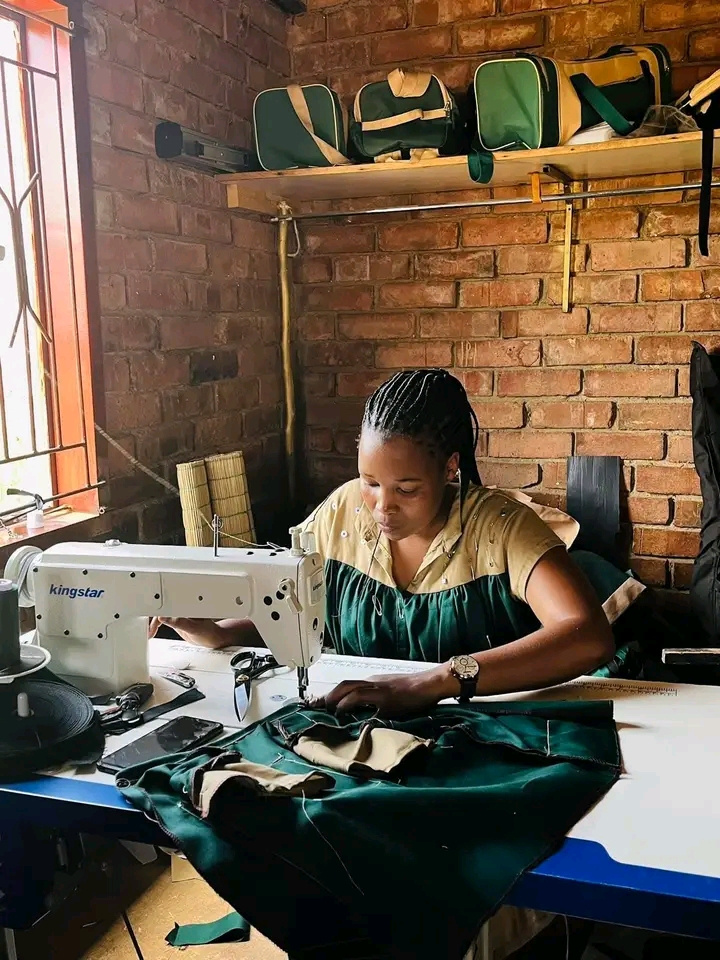
By manufacturing safari outfits under her own label, Malebo participates in an important part of the value chain instead of functioning purely as a reseller. That distinction matters because ownership of production often allows brands to maintain greater control over quality, design, and customer experience.
Many entrepreneurs overlook the strategic value of building operational capability. Businesses that control more of their process are often better positioned to maintain consistency and strengthen their reputation over time.
For aspiring founders, Mokatani offers a practical reminder that strong businesses are often built behind the scenes through craftsmanship, systems, and attention to detail.
The Bigger Lesson Behind Mokatani’s Growth
At its core, Mokatani’s story is about focused ambition.
It is about identifying a niche, developing practical skills, and building a brand that reflects both identity and purpose. It is also a reminder that entrepreneurship does not always begin with massive funding or national attention. Sometimes it begins with technical knowledge, a clear idea, and the willingness to start.
For young entrepreneurs across South Africa, especially those from smaller towns and communities, Mokatani’s journey sends an important message: location does not define potential.