
Woven With Identity: The Story Behind Lepot’s Modern African Fashion

Woven With Identity: The Story Behind Lepot’s Modern African Fashion. In many African homes, the three legged pot sitting over a fire is more than a cooking tool. It is a symbol of warmth, gathering, storytelling, and connection. Families sit around it. Conversations begin around it. Traditions survive through it.
That image became the inspiration behind Lepot, founded by Melikhaya Hempe.
Rather than building a fashion brand purely around trends, Lepot was created with a deeper purpose: to connect people to identity, heritage, and belonging through clothing. Drawing inspiration from African value systems while blending them with global fashion influences, the brand positioned itself as more than apparel. It became a reminder of home in a world where many young people leave familiar spaces in pursuit of opportunity.
That emotional foundation helped shape Lepot into a brand with a distinct voice in a crowded fashion industry.
Its journey offers important lessons about storytelling, cultural positioning, emotional branding, and the power of building businesses rooted in meaning.
The Brand Started With Symbolism Instead of Products
One of the most powerful aspects of Lepot’s rise is that the brand identity came before the clothing itself.
The three legged African pot became a symbol around which the entire business philosophy was built. That symbolism gave the brand emotional depth from the beginning.
Many fashion brands compete only through aesthetics. Lepot approached fashion differently by grounding the business in cultural meaning and belonging.
That distinction matters.
Consumers increasingly connect with brands that tell authentic stories and represent something larger than the product being sold. Clothing is often emotional. It reflects identity, memory, confidence, and community.
By linking the brand to ideas of home, warmth, and African heritage, Lepot created an emotional connection that goes beyond style alone.
For entrepreneurs, this highlights an important lesson: strong brands are often built around meaning before merchandise.

Blending Heritage With Modern Relevance
One of Lepot’s biggest strengths is its ability to merge African inspiration with contemporary global trends.
This balance is important because brands rooted entirely in nostalgia can struggle to stay relevant, while brands that ignore cultural identity often lack authenticity. Lepot positioned itself between those two extremes.
The company draws from African value systems while creating clothing that still fits into modern fashion conversations.
That approach broadens the brand’s appeal.
Young consumers today often want products that reflect both individuality and cultural connection. Lepot’s positioning allows customers to feel modern without disconnecting from heritage.
This strategy also reflects a broader entrepreneurial lesson: businesses grow stronger when they learn how to preserve authenticity while adapting to changing markets.
Innovation does not always require abandoning tradition. Sometimes the most compelling brands are the ones that reinterpret heritage in ways that feel fresh and relevant.
Creating Belonging Became a Competitive Advantage
One of the most overlooked elements in branding is emotional belonging.
Lepot understood this deeply.
The brand speaks directly to a generation of young people navigating movement, ambition, and identity. Many leave home for education, careers, or opportunity, often carrying with them a complicated relationship with culture and belonging.
Lepot positions itself as a reminder of home while also representing progress and aspiration.
That emotional positioning creates loyalty because customers are not only buying clothing. They are buying into a feeling and a story they recognize in their own lives.
This is one of the strongest branding lessons entrepreneurs can learn.
Businesses that make people feel understood often build deeper customer relationships than businesses focused only on transactions.
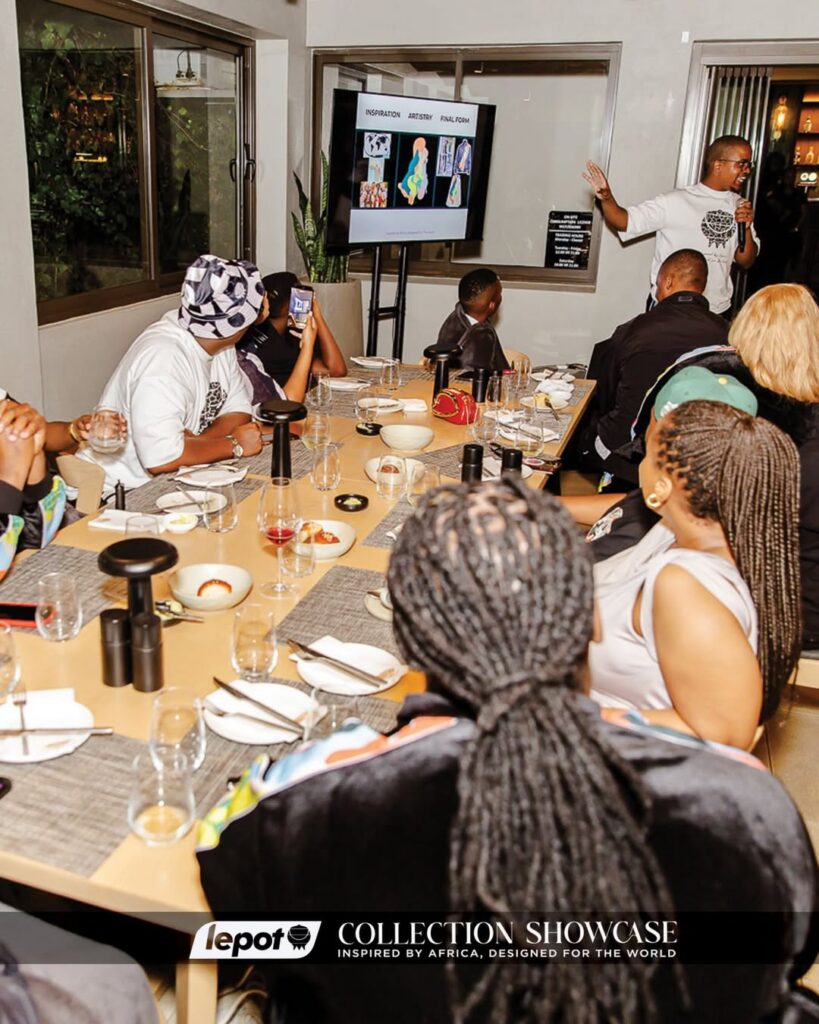
Cultural Authenticity Built Brand Identity
Another key lesson behind Lepot’s journey is the value of cultural authenticity.
In global fashion, there is increasing interest in brands with distinct origins and perspectives. But authenticity cannot be manufactured artificially. Consumers quickly recognize when cultural storytelling feels forced or purely commercial.
Lepot’s identity feels rooted in genuine inspiration rather than trend chasing.
The brand’s philosophy is closely tied to African values, shared experiences, and collective memory. That grounding gives the company a clearer identity in a highly competitive industry.
For entrepreneurs, this demonstrates that local culture can become a powerful differentiator when approached respectfully and thoughtfully.
The strongest brands often understand exactly where they come from before deciding where they want to go.
A Clear Brand Narrative Strengthened Marketing
Lepot’s story is also a reminder that effective marketing is often built around narrative clarity.
The brand communicates a consistent message about connection, identity, comfort, and belonging. That consistency strengthens recognition and trust.
Many emerging brands struggle because their messaging changes constantly or lacks focus. Lepot’s story remains cohesive across its philosophy and positioning.
This matters because modern consumers are exposed to thousands of brands daily. Businesses with a clear emotional narrative are more likely to stand out and remain memorable.
Entrepreneurs can apply this lesson by focusing less on trying to appeal to everyone and more on building a clear, consistent identity that resonates deeply with a specific audience.
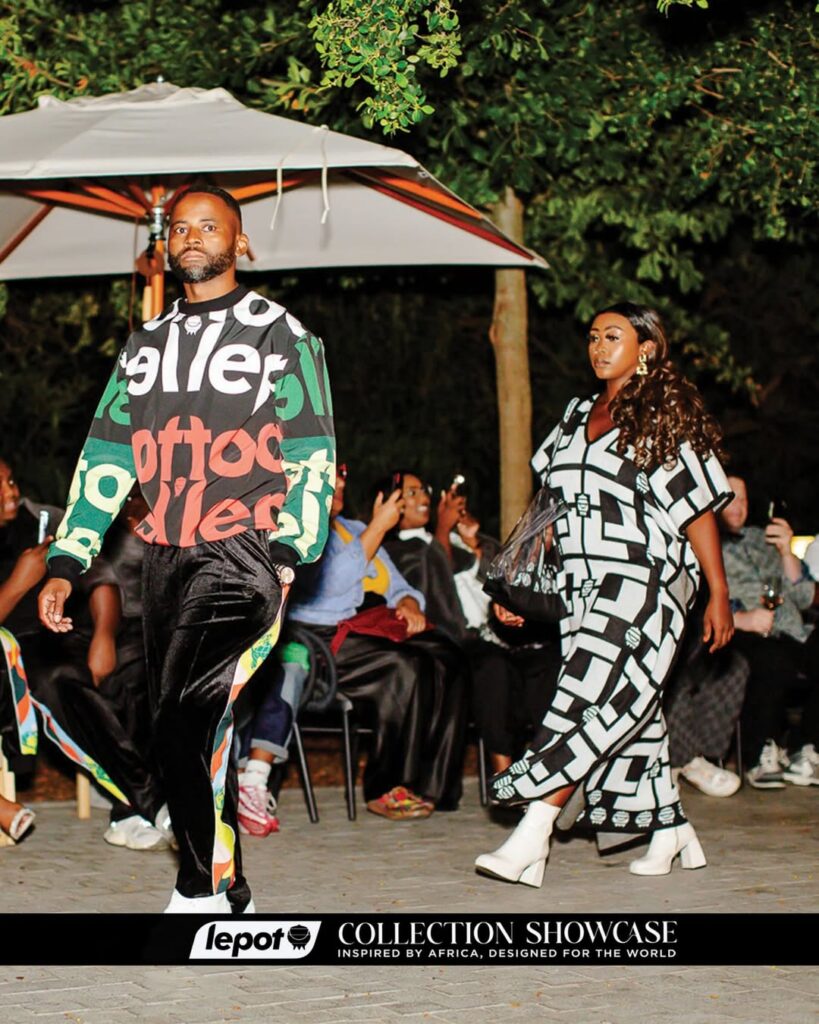
The Future Is Often Built From the Past
Perhaps the most compelling lesson behind Lepot is its belief that the past can inspire the future.
The brand was created for a generation moving toward opportunity while still carrying pieces of home, culture, and memory with them. Instead of viewing tradition as outdated, Lepot uses it as creative fuel.
That philosophy reflects a powerful entrepreneurial truth.
Businesses do not always need to invent entirely new ideas to succeed. Sometimes innovation comes from revisiting familiar symbols, values, and experiences through a modern lens.
Lepot demonstrates how cultural storytelling, emotional branding, and authenticity can transform a fashion label into something more meaningful.
Its journey shows that brands built with purpose often create stronger connections than those built purely around trends.