
From Rejection Letters to 45 000 Cabbages: The Drive Behind Sihle Maseko’s Farming Journey
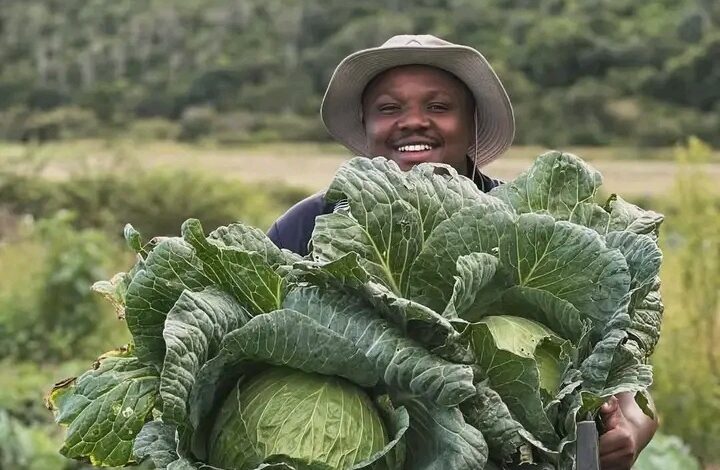
From Rejection Letters to 45 000 Cabbages: The Drive Behind Sihle Maseko’s Farming Journey. Not every entrepreneur starts with investors, industry connections, or a polished business plan. Some start with disappointment, uncertainty, and the stubborn refusal to give up. That is what makes the story of Sihle Maseko so compelling.
Raised in Burnshill Location in Keiskammahoek, also known as Qoboqobo, Sihle did not originally plan to become a farmer. He studied Agricultural Management at Nelson Mandela University George Campus and graduated in 2019. Like many graduates across South Africa, he entered the job market hoping for an opportunity that never came.
Instead of waiting endlessly for employment, he looked at the land available at home and made a decision that would completely change his direction.
Today, he farms on a 10 hectare plot, producing green mealies and tens of thousands of cabbages while supplying both formal and informal markets.
Turning Frustration Into Opportunity
One of the most important lessons from Sihle’s journey is that opportunities are not always obvious at first. Sometimes they are hidden inside difficult situations.
After graduating, Sihle applied for jobs in both the public and private sectors but faced repeated rejection. Rather than allowing those setbacks to define him, he focused on what he already had access to. Land became his starting point.
In 2020, he began by helping his uncle farm on a two hectare piece of land. That experience gave him practical exposure and confidence. By 2021, he decided to go solo.
This transition highlights a major entrepreneurial principle: start where you are, even if the conditions are imperfect. Sihle did not wait until he had the perfect equipment, large capital reserves, or years of experience. He started small and built gradually.
For aspiring entrepreneurs, especially young people in rural areas, this lesson matters. Growth often begins with using available resources creatively rather than waiting for ideal conditions.
Starting Small Before Scaling Big
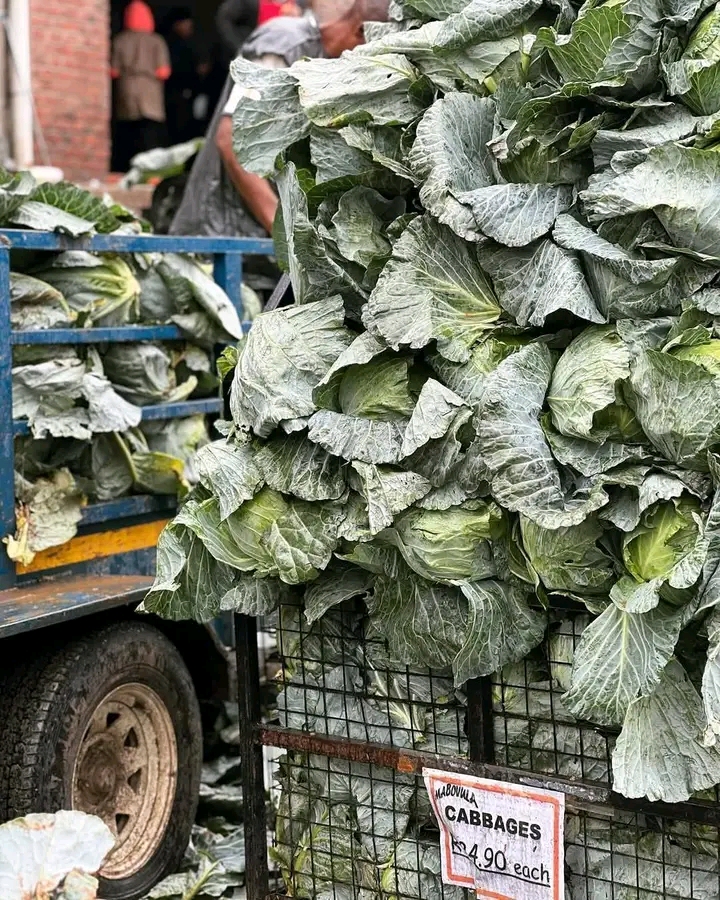
Sihle’s farming operation did not immediately begin at its current scale. He initially started on one hectare with green mealies.
That decision reflects another important business strategy: validate your idea on a manageable scale before expanding.
Instead of taking on more land than he could manage, Sihle focused on learning production cycles, understanding demand, and improving operations step by step. Over time, he expanded into a much larger farming operation.
Today, his farm includes five hectares of green mealies using the SC 701 variety and 45 000 cabbages planted in staggered monthly intervals of 15 000. That staggered approach is particularly important because it creates a more consistent harvest schedule and supply flow rather than producing everything at once.
Consistency is often what separates sustainable businesses from short-lived ventures.
Solving Problems With Determination
Another defining feature of Sihle’s journey was his willingness to solve difficult problems head-on.
He openly acknowledges that startup capital was one of his biggest challenges, especially when it came to irrigation systems. Rather than giving up, he searched for ways to raise money and keep moving forward.
He even mentioned doing taxi work and borrowing money in order to get started.
This part of his story reflects the reality many entrepreneurs face but rarely talk about publicly. Building a business often involves risk, sacrifice, and uncomfortable decisions.
What stands out is not the difficulty itself but the persistence behind it.
Many successful businesses are built by people who continue moving despite uncertainty. Sihle’s journey proves that resilience is not just motivational language. It is a practical business skill.
Understanding the Importance of Market Demand
A major strength in Sihle’s business model is his focus on products with clear demand.
Food remains one of the most essential sectors in any economy. By producing green mealies and cabbages at scale, Sihle positioned himself within a market that requires constant supply.
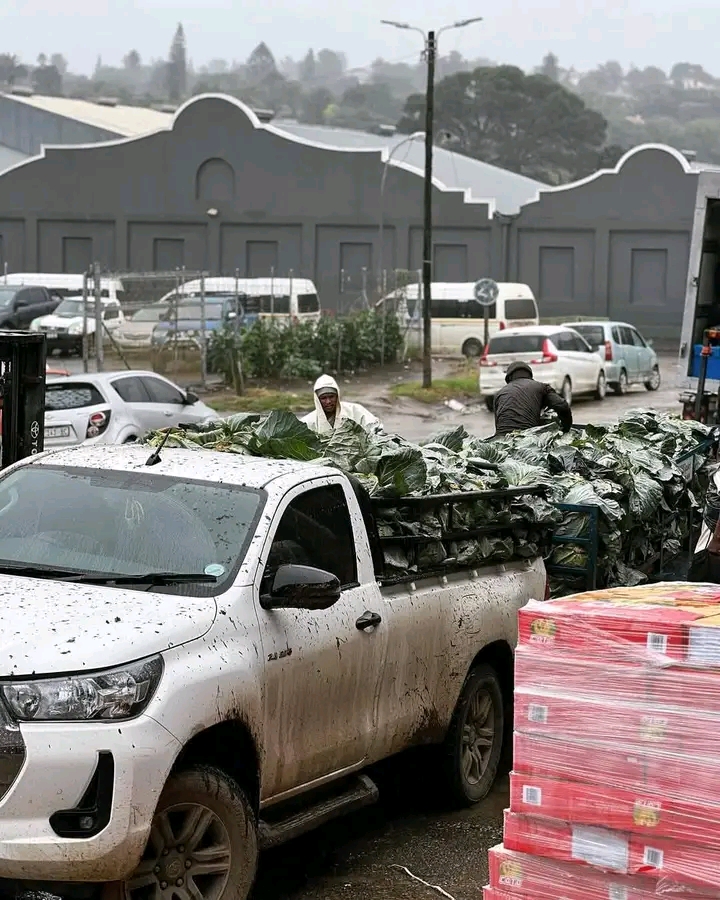
Since July 2022, he has reportedly been selling between 10 000 and 15 000 cabbages every month across formal and informal markets.
This demonstrates the importance of understanding where customers are and supplying products people consistently need.
Too many entrepreneurs focus only on passion without paying attention to market demand. Sihle’s business combines both. He found a practical opportunity in agriculture while creating a sustainable income stream.
Education Still Matters in Entrepreneurship
Although Sihle did not initially find employment after graduating, his diploma in Agricultural Management still played a valuable role in his journey.
His studies gave him technical knowledge that likely helped him manage crop planning, farming operations, and agricultural processes more effectively.
This is an important reminder that education does not always lead directly to traditional employment. Sometimes it becomes a tool that helps entrepreneurs create their own opportunities instead.
Knowledge, when combined with action, becomes powerful.
A Message That Resonates Beyond Farming
Perhaps the most powerful aspect of Sihle’s story is his honesty.
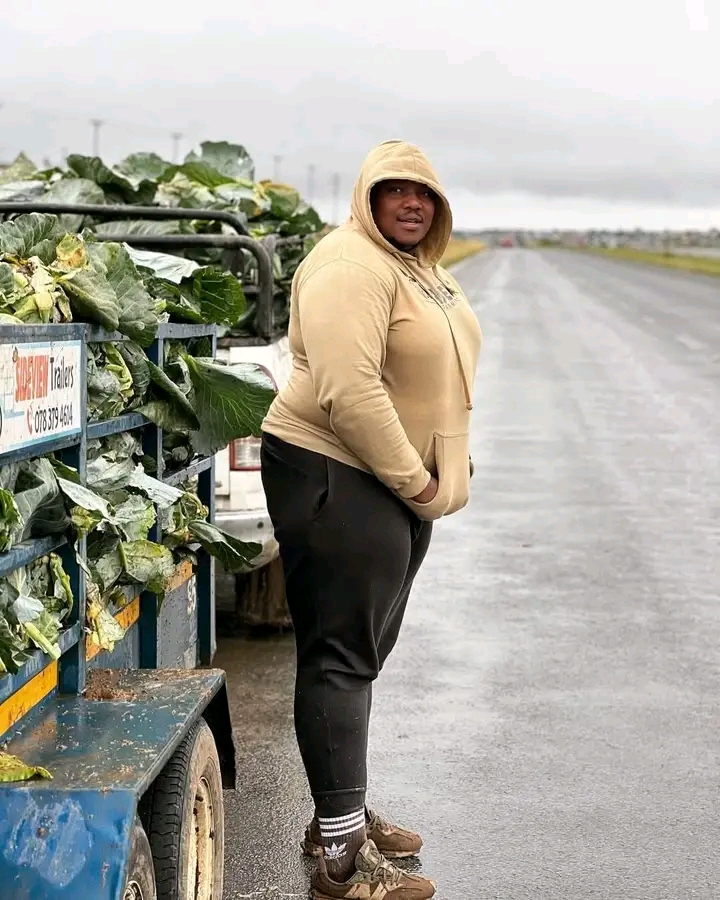
He openly speaks about rejection, stress, risk-taking, and the need for self-belief. His message to young people is direct: start where you are, take risks, and stop waiting for miracles.
That authenticity gives his journey real impact.
In a country where unemployment remains a major challenge, stories like Sihle Maseko’s resonate because they are grounded in action rather than theory. He built something practical, scalable, and community-driven from difficult circumstances.