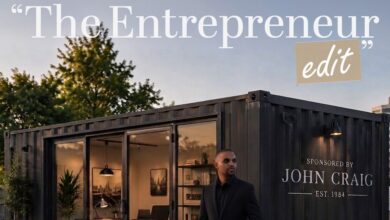
How Ndzilo Charcoal Briquettes Built a Sustainable Energy Brand from Grassroots Innovation
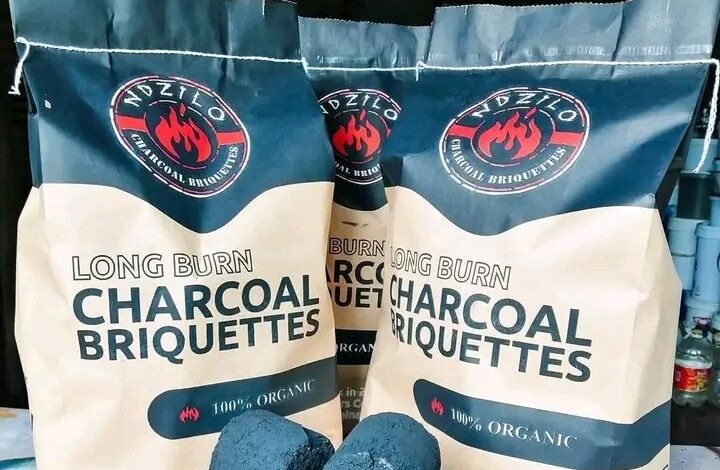
How Ndzilo Charcoal Briquettes Built a Sustainable Energy Brand from Grassroots Innovation. In a country where unemployment continues to challenge young graduates, some stories stand out not just for what was built, but for how it was built. The journey of Ndzilo Charcoal Briquettes, founded by Given Ngwamba, is one of those stories.
What started in 2019 as a personal response to joblessness in KaMaqhekeza has grown into a recognised charcoal manufacturing business stocked in major retail outlets like Pick n Pay and other supermarkets. But beyond distribution and growth, the brand reflects a deeper lesson about innovation rooted in necessity, sustainability, and resilience.
A Business Born from Unemployment and Practical Thinking
The foundation of Ndzilo Charcoal Briquettes was not a polished business plan or corporate funding. It began with a simple but urgent reality: a qualified sound engineering graduate unable to find employment.
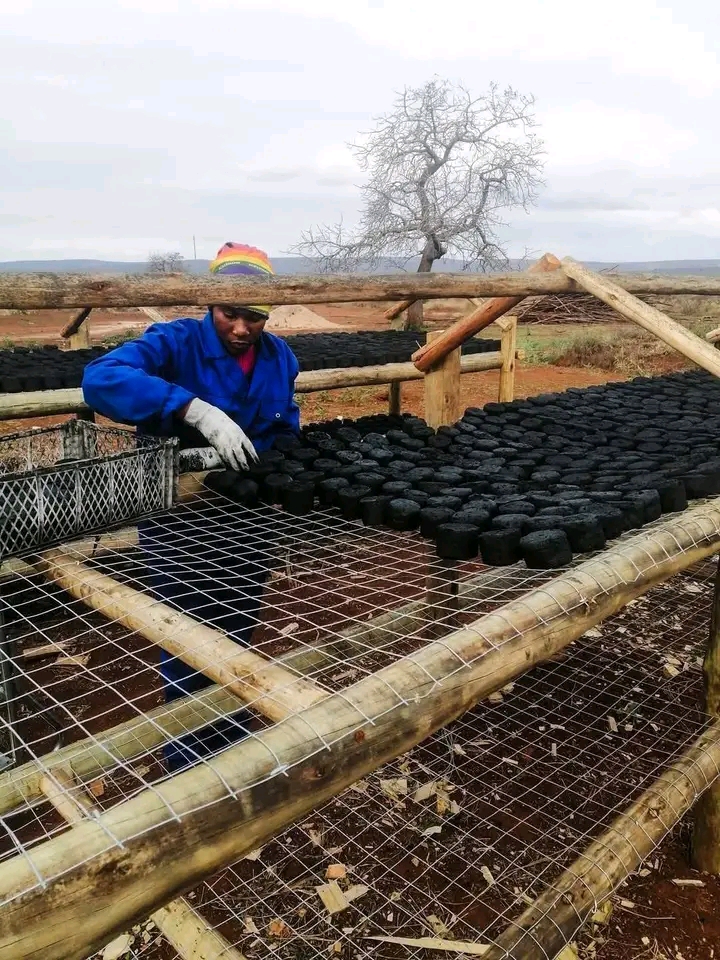
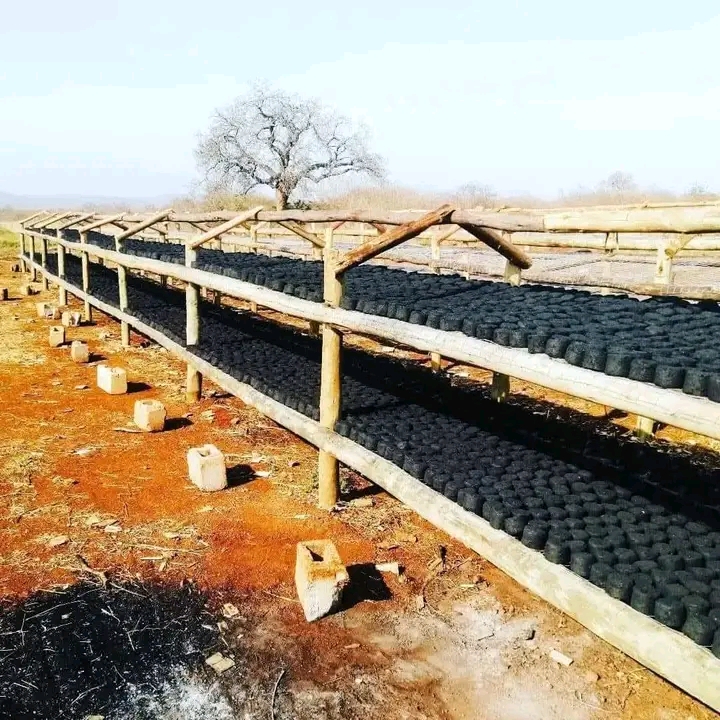
Instead of waiting for opportunity, Given Ngwamba created one. Working from his backyard, he began experimenting with dry sugar cane waste as a raw material for charcoal production. This was not only a creative solution but also an environmentally conscious one, transforming agricultural waste into a usable energy product.
This early stage highlights a key entrepreneurial lesson: constraints often force the clearest innovation.
Turning Waste Into Value: The Core Innovation
One of the defining strengths of Ndzilo Charcoal Briquettes is its use of dry sugar cane to produce charcoal. This approach positioned the brand within a growing global conversation around sustainability and waste reduction.
Rather than relying on traditional wood-based charcoal production, the business created a product that reduces environmental pressure while still serving everyday energy needs.
The turning point here was not just technical success, but recognition of market relevance. Sustainability is no longer a niche idea. It is a commercial advantage.
For entrepreneurs, the lesson is clear: innovation does not always mean creating something new. Sometimes it means rethinking what already exists.
From Backyard Production to Manufacturing Scale
What began in a residential backyard eventually evolved into a structured manufacturing operation. The establishment of a charcoal production factory marked a critical milestone for the brand.
This transition required more than product validation. It required systems, consistency, and the ability to meet demand at scale. Moving from informal production to formal manufacturing is often where many small businesses struggle, but Ndzilo Charcoal Briquettes managed this shift through gradual expansion.
This stage demonstrates an important growth principle: scale should follow stability, not ambition alone.
Breaking Into Retail and Building Market Trust
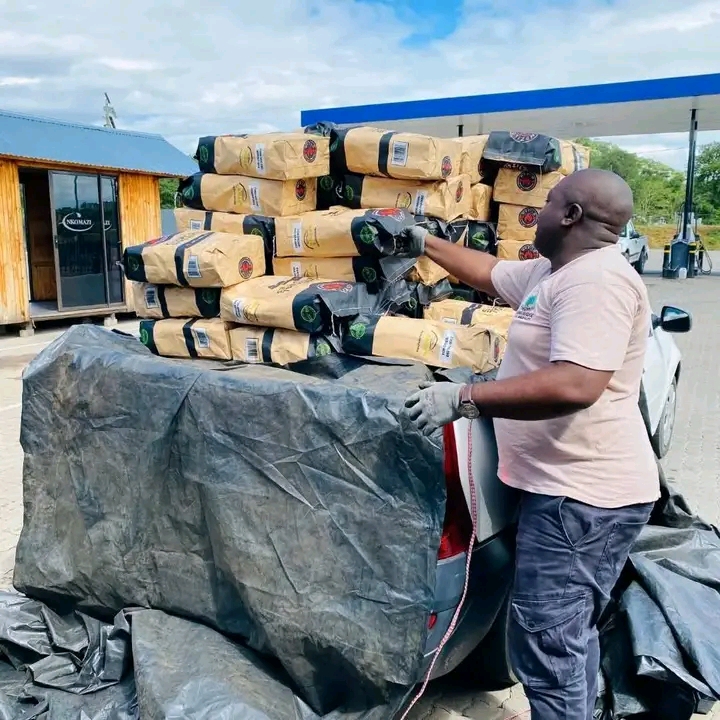
A major breakthrough for the brand came when its products became available in major retail outlets such as Pick n Pay and other supermarkets.
Retail entry is one of the toughest barriers for emerging manufacturers. It requires compliance, consistent quality, supply reliability, and trust from procurement teams.
For Ndzilo Charcoal Briquettes, this milestone represented more than sales growth. It was validation of product quality and operational maturity.
For aspiring entrepreneurs, this highlights a key strategic insight: retail success is not just about demand, it is about dependability.
Job Creation as a Core Business Outcome
Beyond production and distribution, Ndzilo Charcoal Briquettes has also become a source of employment for many young people. This shift from individual survival to community impact is a defining feature of the brand’s evolution.
Job creation is often treated as a byproduct of business growth, but in this case, it became part of the identity of the enterprise itself.
The lesson is powerful: businesses that solve personal problems can evolve into businesses that solve community problems.
Strategic Strengths That Drove Growth
Several strengths can be identified in the Ndzilo model:
- Resource innovation through agricultural waste reuse
- Early adoption of sustainable production thinking
- Gradual but structured scaling from backyard to factory
- Strong focus on product reliability for retail entry
- Community employment and youth inclusion
Each of these elements contributed to building a brand that could move beyond survival into structured growth.
Lessons for Aspiring Entrepreneurs
The journey of Ndzilo Charcoal Briquettes offers practical lessons that apply far beyond the energy sector.
First, start with what is available. Innovation often begins with constraints, not capital.
Second, focus on solving real problems. The use of sugar cane waste was not just clever, it addressed environmental and production efficiency challenges.
Third, build step by step. Scaling too early can destroy potential, while gradual growth builds resilience.
Finally, think beyond profit. Employment creation and sustainability strengthened the brand’s long-term value.
Conclusion: From Survival to Sustainable Industry Impact
Ndzilo Charcoal Briquettes is more than a manufacturing success story. It is a reflection of what happens when innovation meets necessity and when personal struggle becomes a driver for public impact.
From a backyard in KaMaqhekeza to supermarket shelves across South Africa, the brand demonstrates that meaningful business growth is possible without shortcuts.
It is built on waste transformed into value, unemployment transformed into opportunity, and determination transformed into industry presence.
For entrepreneurs watching closely, the message is simple: start where you are, use what you have, and build something that lasts.