Zero Trucks to 27: What Entrepreneurs Can Learn from Nona Monakali Chili’s Business Journey
Zero Trucks to 27: What Entrepreneurs Can Learn from Nona Monakali Chili’s Business Journey. Every successful company has a story that begins long before the growth, recognition, and scale become visible. Behind every fleet, factory, or thriving enterprise is often a founder who saw potential where others saw obstacles.
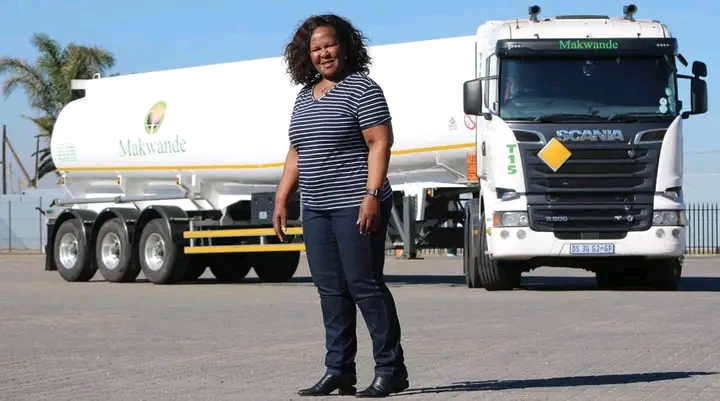
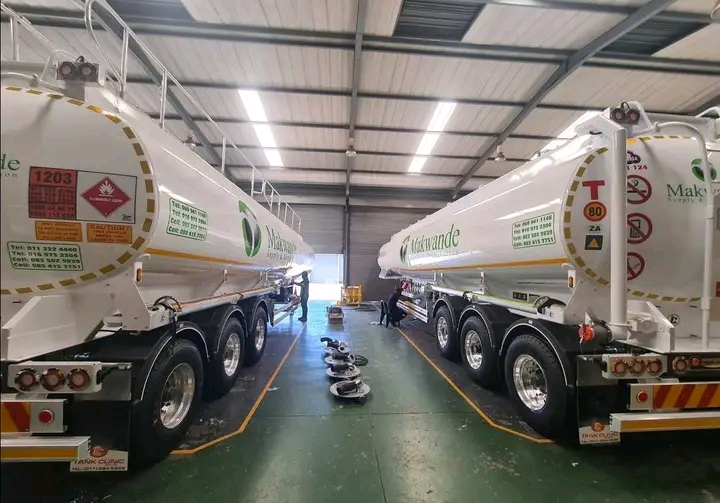
For Nona Monakali Chili, that story began with a vision to build a business in industries that are critical to the economy. In 2006, she founded Makwande Suppy & Distribution, a 100% black-owned petroleum and cargo company. At the time, she had no trucks. Today, the company operates 27 trucks that transport fuel and freight.
Her journey offers valuable lessons about preparation, persistence, and the importance of building a business on knowledge and experience. It is a story that demonstrates how long-term thinking and steady execution can transform a business from a small operation into a growing enterprise.
Building a Strong Foundation Before Launching
Many entrepreneurs focus heavily on the moment they launch a business, but one of the most important lessons from Chili’s journey is that success often starts long before a company is established.
Before founding Makwande Suppy & Distribution, she accumulated 14 years of experience in the oil industry and eight years in the banking sector. She also earned a Master’s degree in Economics from the University of Johannesburg.
This combination of education and industry experience gave her a strong understanding of both business operations and financial systems. Rather than entering an unfamiliar industry, she built her company on years of accumulated knowledge.
For aspiring entrepreneurs, this highlights the importance of developing expertise. Experience can become one of the most valuable assets a founder possesses, helping them identify opportunities, understand risks, and make informed decisions.
Starting Without Major Resources
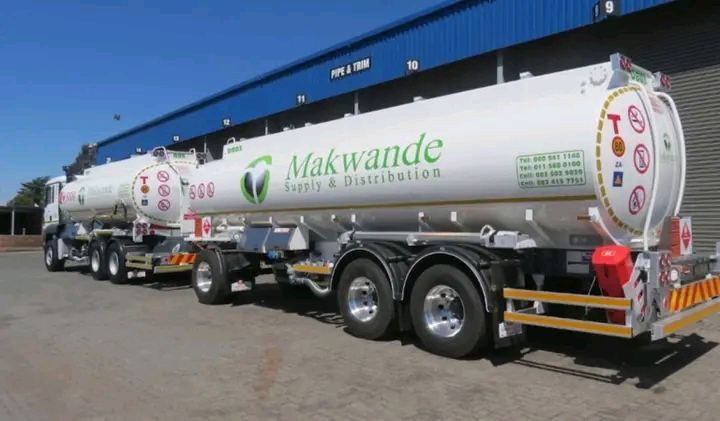
One of the most remarkable facts about Makwande Suppy & Distribution is that the company began without a truck.
In sectors such as petroleum transportation and cargo logistics, equipment is often considered one of the biggest barriers to entry. Many people assume they need significant assets before they can compete.
Chili’s journey challenges that belief.
While she did not begin with a fleet, she began with industry knowledge, experience, and a clear objective. Over time, the company grew from having no trucks to operating 27 trucks that transport fuel and freight.
This growth serves as a powerful reminder that entrepreneurs should not allow current limitations to define their future possibilities. Resources matter, but they are often acquired through consistent growth rather than being available from the start.
Choosing an Industry That Keeps Economies Moving
Petroleum and freight transportation are essential sectors that support businesses, industries, and communities.
Fuel must be transported efficiently, and goods need reliable logistics networks to reach their destinations. By establishing Makwande Suppy & Distribution within these industries, Chili positioned her company in markets that play an important role in economic activity.
One lesson entrepreneurs can take from this is the importance of understanding the value of the industries they enter.
Businesses that provide critical services often have opportunities to build long-term relationships and establish a strong market presence. Rather than focusing solely on trends, entrepreneurs can benefit from identifying sectors where demand remains consistently important.
Growth Happens One Step at a Time
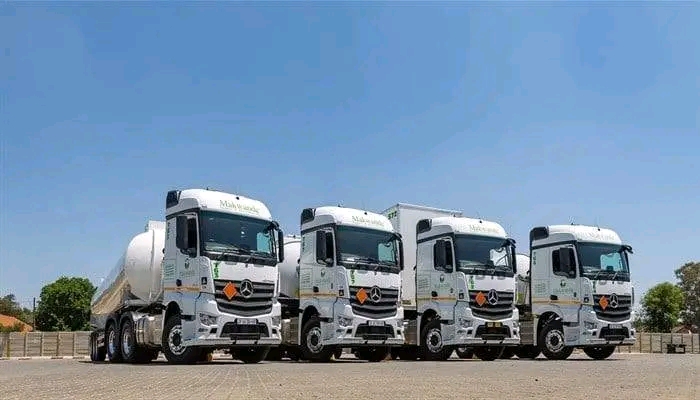
Looking at a company with 27 trucks today can make the growth seem impressive, but the real lesson lies in the process behind that achievement.
Businesses rarely expand overnight. Growth is typically the result of continuous effort, careful planning, and the ability to execute consistently over time.
Every stage of expansion introduces new responsibilities. As operations become larger, companies must maintain quality, manage resources effectively, and adapt to changing market conditions.
The development of Makwande Suppy & Distribution illustrates the importance of patience. Sustainable growth is often built through a series of small victories rather than one dramatic breakthrough.
For entrepreneurs, this means focusing on steady progress rather than becoming discouraged by how far there is still to go.
Combining Education and Practical Experience
Another notable aspect of Chili’s journey is the balance between academic achievement and professional experience.
Her Master’s degree in Economics provided a strong educational foundation, while her years in the oil and banking sectors provided practical insights into how industries operate.
The combination of theory and real-world experience can be a significant advantage for business leaders. Education helps entrepreneurs understand broader economic principles, while hands-on experience helps them navigate day-to-day business realities.
Entrepreneurs do not need to choose one over the other. Continuous learning, whether through formal education or practical experience, can strengthen decision-making and improve business outcomes.
Lessons Entrepreneurs Can Apply to Their Own Ventures
The journey of Nona Monakali Chili offers several practical lessons that entrepreneurs can use in their own businesses.
Build expertise before launching whenever possible.
Use education and experience as strategic advantages.
Do not let a lack of assets stop you from pursuing opportunities.
Focus on industries where businesses provide meaningful value.
Understand that growth takes time and requires consistency.
Stay committed to long-term objectives rather than short-term gains.
These lessons may seem simple, but they are often the foundation upon which sustainable businesses are built.
A Story of Determination and Steady Growth
The success of Makwande Suppy & Distribution is not defined solely by the size of its fleet. It is defined by the journey behind it.
When Nona Monakali Chili founded the company in 2006, she started without a truck. Through industry expertise, educational achievement, and years of professional experience, she built a business that now operates 27 trucks transporting fuel and freight.
For aspiring entrepreneurs, her story demonstrates that success is rarely about where you begin. It is about how effectively you use your knowledge, how consistently you pursue opportunities, and how committed you remain to building something meaningful over time.