How The Space Turned Local Design Into a National Retail Success Story
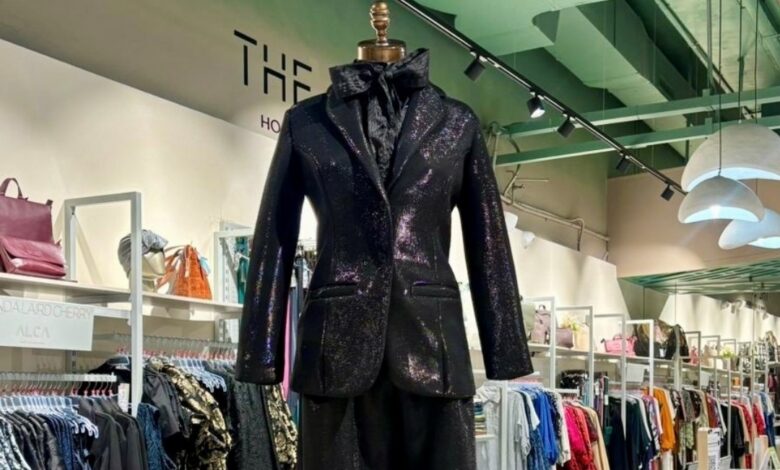
How The Space Turned Local Design Into a National Retail Success Story. In an era where global fashion brands dominate shopping malls and online stores, building a retail business around local designers might seem like a challenging proposition. Yet for more than two decades, The Space has demonstrated that there is significant demand for fashion that reflects local creativity, authentic storytelling, and African design excellence.
Established in 2000 by a group of local designers, The Space was created with a clear mission: to showcase African design while providing a platform for talented designers to reach customers through a professional retail environment. What began as a single store has evolved into a retail network spanning Johannesburg, Pretoria, Cape Town, and Durban, alongside a dedicated online store and multiple menswear outlets.
Its journey offers valuable lessons for entrepreneurs about identifying underserved opportunities, building strong partnerships, creating customer loyalty, and growing a business while remaining true to its founding purpose.
Finding Opportunity in an Underserved Market
Many successful businesses begin by recognizing a gap in the market that others overlook.
When The Space was established in 2000, its founders focused on something that set it apart from traditional fashion retailers. Rather than importing large volumes of international products, the business centered its offering on fashion and accessories created by African designers, produced locally and distributed locally.
This focus gave The Space a unique identity from the outset.
Instead of competing directly with mainstream retailers, it created a platform that celebrated local creativity and craftsmanship.
For entrepreneurs, this highlights an important lesson. Some of the strongest business opportunities emerge when founders identify valuable products, services, or talent that are not receiving enough visibility and build a business around solving that problem.
Building Exclusivity Through Small Production Runs
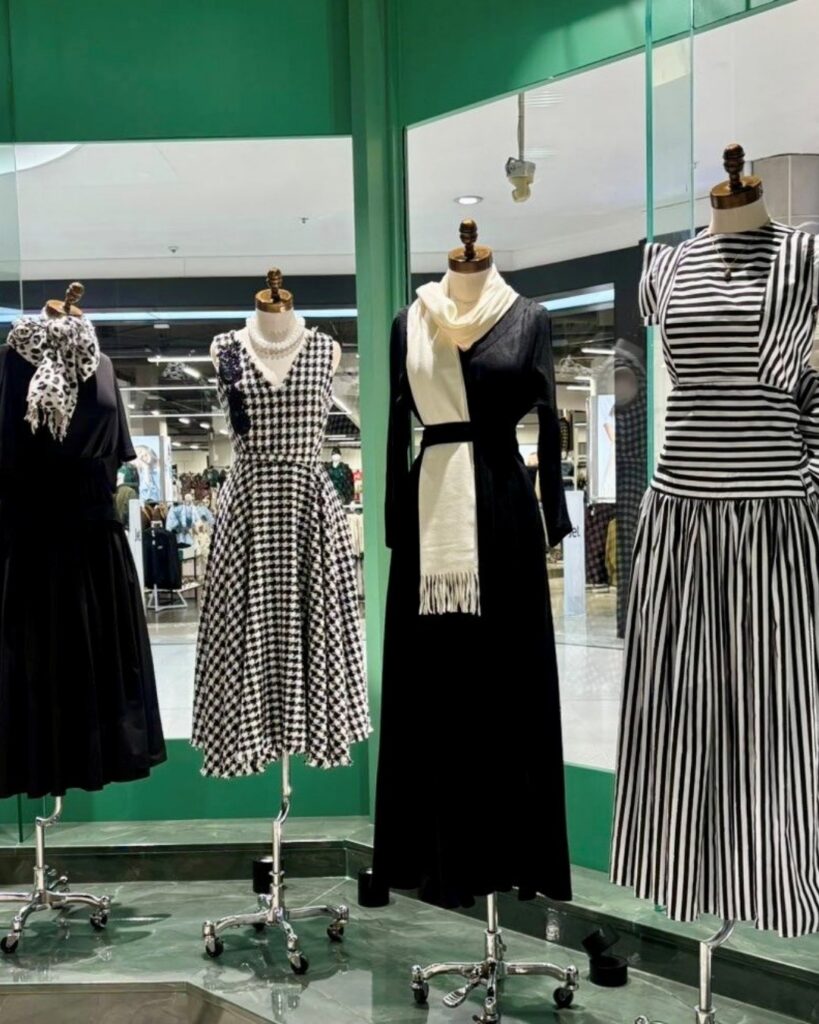
One of the defining characteristics of The Space is its emphasis on designer collections produced in small quantities.
Because designer runs are limited, customers gain access to exclusive pieces that are not widely available.
This strategy helped differentiate the brand in a retail environment often dominated by mass-produced products.
Exclusivity creates value because customers appreciate products that feel unique and personal.
For entrepreneurs, the lesson extends beyond fashion. Businesses can often strengthen their market position by offering something distinctive rather than attempting to compete solely on volume or price.
Standing out is frequently more powerful than simply being bigger.
Creating Products for Real Customers
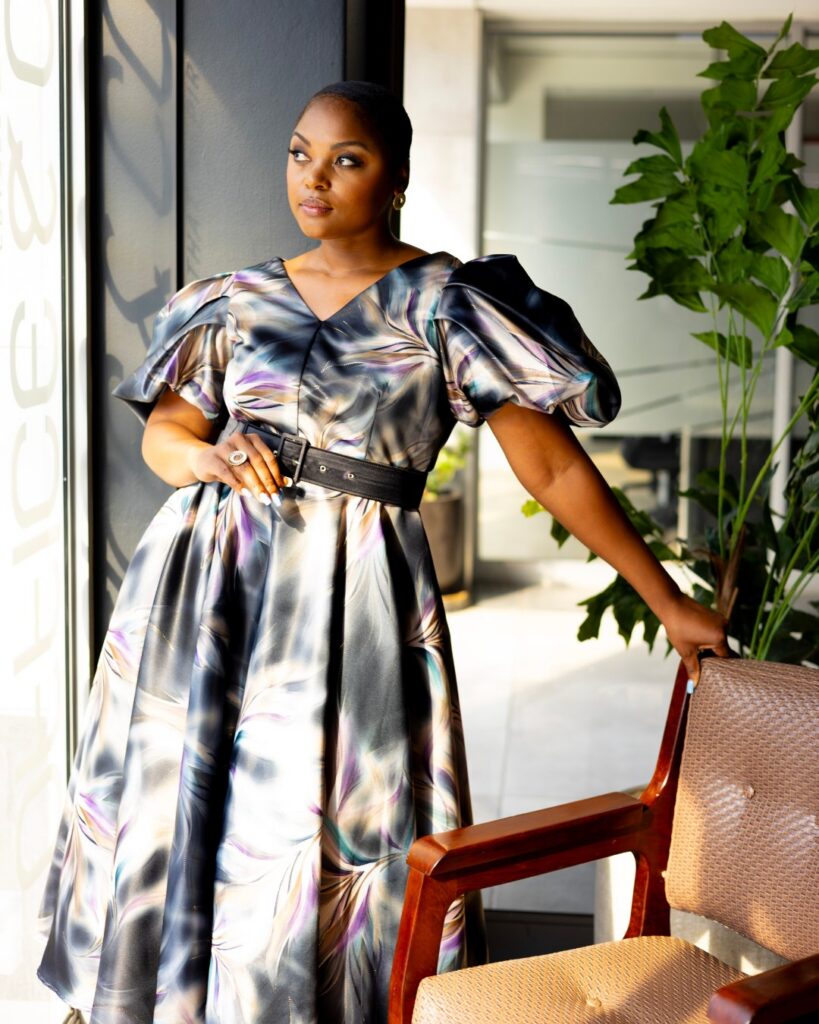
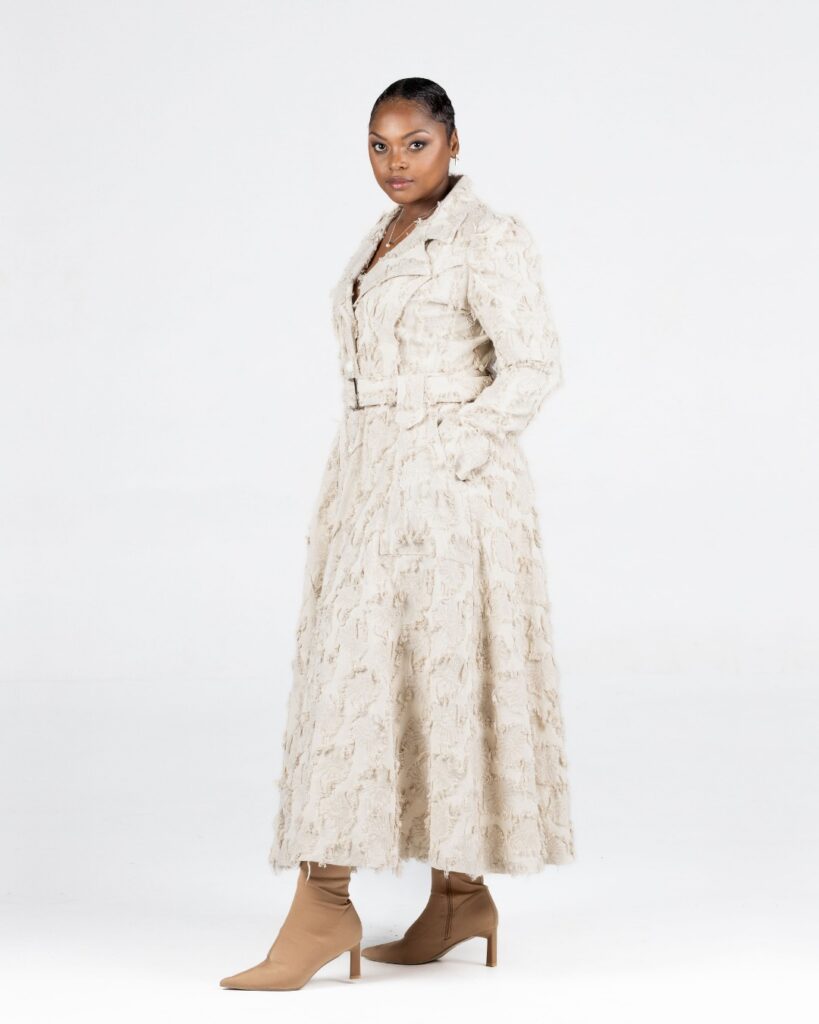
The Space emphasizes that its designers create clothing for real South African women and that customers are likely to find sizes that suit them.
This focus demonstrates a deep understanding of customer needs.
Many brands make the mistake of designing products based on assumptions rather than paying attention to the people they serve. The Space built part of its reputation by ensuring that local customers remained central to the design process.
For entrepreneurs, this serves as a reminder that customer understanding is one of the most valuable competitive advantages available.
Businesses that genuinely understand their audiences often create stronger products, better experiences, and more loyal customer bases.
The Power of Relationships
One of the most remarkable aspects of The Space’s story is its longevity.
According to the company, some of its earliest supporters remain loyal customers more than two decades after the business was founded.
The brand attributes this to the strong personal relationships it has built with both designers and customers.
This offers an important lesson about sustainable growth.
While marketing campaigns and promotions can attract attention, long-term success is often built through trust and meaningful relationships.
Entrepreneurs who invest in building strong connections with customers, suppliers, and partners often create businesses that are more resilient over time.
Providing Value Beyond Retail
The Space does more than sell clothing.
The company provides African designers with access to professional retail infrastructure and premium shopping mall locations, helping reduce some of the risks associated with entering the retail market independently.
This approach transformed the company from a traditional retailer into a platform that supports creative entrepreneurs.
For business owners, this demonstrates the value of creating ecosystems rather than simply transactions.
Businesses that help their partners succeed often strengthen their own position at the same time.
The stronger the designers become, the stronger The Space becomes as a destination for customers seeking unique fashion.
Expanding Without Losing Purpose
Growth is often one of the most difficult stages in a business journey.
The Space expanded from a single standalone store into eight regional brick-and-mortar locations across major South African cities. The company also launched a dedicated Space+Man outlet in Rosebank, introduced menswear sections in selected stores, and established an online retail presence.
What makes this expansion noteworthy is that the company maintained its original focus on African designers throughout its growth journey.
Many businesses lose sight of their founding purpose as they scale. The Space demonstrates that expansion can be achieved while remaining aligned with core values.
For entrepreneurs, this highlights the importance of ensuring that growth strengthens rather than dilutes a brand’s identity.
Combining Sustainability With Business Growth
Another important aspect of The Space’s philosophy is its commitment to sustainability and local production.
The company carefully curates locally designed and manufactured garments, accessories, and gifting products while emphasizing the positive impact of supporting local industries.
This commitment reflects a broader understanding that business success and community development can work together.
Entrepreneurs can learn an important lesson here. Businesses that create value for customers while supporting broader economic and social goals often build stronger and more meaningful brands.
Purpose and profitability do not have to exist in opposition.
Lessons Entrepreneurs Can Apply to Their Own Ventures
The journey of The Space offers several practical lessons for aspiring entrepreneurs:
Identify opportunities that others overlook.
Build a clear and distinctive market position.
Focus on customer needs rather than assumptions.
Create strong relationships with customers and partners.
Develop business models that help others succeed alongside you.
Expand carefully while remaining true to your original purpose.
Use local strengths and talent as competitive advantages.
These principles have helped The Space remain relevant for more than two decades in a highly competitive industry.
A Retail Brand Built on Creativity and Community
Since its founding in 2000, The Space has become far more than a fashion retailer. It has evolved into a platform that connects African designers with customers while helping local creativity reach a larger audience.
From one store to a national retail presence, the company’s journey demonstrates the power of staying committed to a clear purpose. By championing local design, fostering meaningful relationships, and creating opportunities for designers, The Space has built a brand that stands out in South Africa’s retail landscape.
For entrepreneurs, its story serves as a powerful reminder that lasting success often comes from creating value not only for customers, but also for the broader community that supports the business.