Absa Highlights Entrepreneurship Education as a Pathway to Economic Participation
Absa Highlights Entrepreneurship Education as a Pathway to Economic Participation. Absa has reinforced its focus on entrepreneurship education as part of its efforts to support economic participation and address South Africa’s ongoing unemployment challenges, particularly among young people.
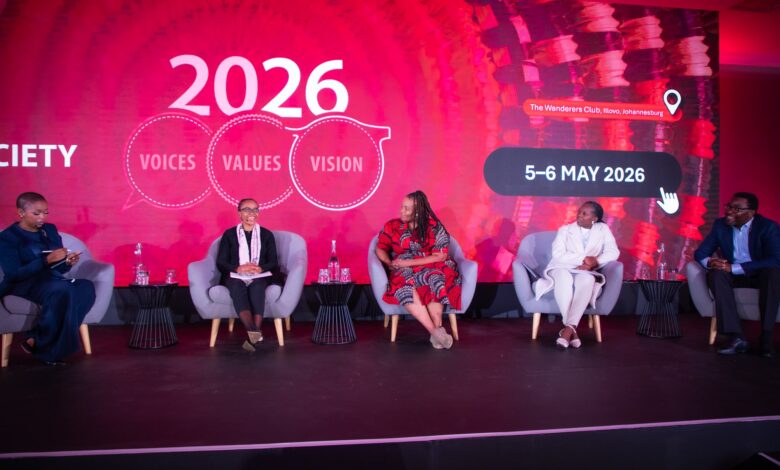
The discussion formed part of Absa’s sponsored panel at the 2026 Trialogue Business in Society Conference, where representatives from business, academia, philanthropy and entrepreneurship explored the role that entrepreneurship education can play in helping young people participate more actively in the economy.
According to figures shared during the discussion, South Africa’s unemployment rate reached 32.7% in the first quarter of 2026, while youth unemployment stood at 60.9%. Against this backdrop, Absa said it views entrepreneurial thinking as an important capability that can help individuals create opportunities for themselves, whether through self-employment, business creation or participation in the formal workforce.
Clement Motale, Absa’s interim group managing executive for Corporate Citizenship, said economic exclusion remains a challenge across Africa and highlighted entrepreneurship as a practical pathway to economic participation.
“The work is about equipping young people with the capabilities that hold real economic value, the ability to recognise opportunity where others see constraint, the confidence to solve practical everyday problems, the discipline to think commercially and the resilience to navigate risk with maturity,” said Motale.
Absa said its entrepreneurship programmes are designed to support young people at different stages of development. These initiatives focus on exposing learners to entrepreneurial thinking, strengthening business skills, and connecting aspiring entrepreneurs with mentorship, funding opportunities and support networks.
The bank also shared several outcomes from its broader corporate citizenship activities. According to Absa, it mobilised R53.5 billion in sustainable finance during 2025 and invested more than R373 million in corporate citizenship initiatives focused on youth and women. The organisation said its education, entrepreneurship and financial inclusion programmes reached more than 366,000 people during the year.
The conference panel also featured contributions from representatives of academia and philanthropy, including discussions on the long-term value of entrepreneurship education, the importance of mentorship and the need for market access to help emerging entrepreneurs grow sustainable businesses.
Entrepreneur Lerato Tladi, founder of Hunadi Air Conditioning and Refrigeration, shared her own experience of receiving entrepreneurship education and support. She said the knowledge, skills and funding she accessed helped her establish and grow her business.
Absa said entrepreneurship education should be viewed as a long-term investment aimed at building confidence, problem-solving ability and economic participation among young people.