
When people think of GALXBOY, the mind immediately jumps to signature graphics, statement hoodies, and high-demand streetwear that sells out within hours. But as the brand has scaled into a massive retail empire—boasting 18 flagship stores, 3 warehouses, and over 1 million processed orders—expanding beyond apparel became essential to building a true global luxury brand.
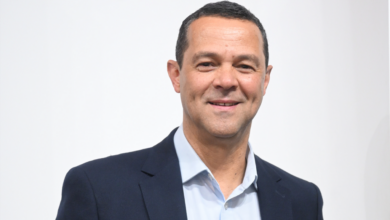
Speaking at Standard Bank’s Kasi SME Summit in Port Elizabeth, founder and Creative Director Thatiso Dube opened up about product engineering, revealing the single most difficult product category to design, manufacture, and bring to market: footwear and custom sneakers.
1. Why Footwear is a Completely Different Beast
For most emerging fashion brands, scaling from T-shirts to tracksuits is a natural progression—textile sourcing, screen printing, and cut-and-sew manufacturing follow similar operational rules. However, stepping into footwear requires an entirely different engineering and supply chain framework.
Dube explained that creating custom sneakers and footwear molds isn’t just about aesthetics; it’s about structural ergonomics, durability, and high upfront capital costs.
“With t-shirts or hoodies, if a sample needs a tweak, you adjust the pattern or print. With footwear, every single sole requires custom molds, specialized tooling, and rigorous wear-testing. If the fit is off by a millimeter, the entire batch is unusable.” — Thatiso Dube
2. Tooling Costs, Molds, and Sizing Complexity
One of the biggest barriers for African streetwear labels attempting to enter the sneaker market is the astronomical cost of manufacturing molds.
Unlike garment manufacturing—where a single pattern can be graded for different sizes—footwear requires individual, precision-engineered metal molds for every single shoe size (from size 3 to size 11).
- High Initial Tooling Capital: Designing a unique silhouette requires millions of rand upfront in mold production before a single pair is produced.
- Complex Material Sourcing: Balancing premium leather, rubber outsoles, and interior cushioning requires managing multiple specialized factories rather than a single textile mill.
- Zero Room for Error: While an oversized graphic hoodie is forgiving on fit, uncomfortable or poor-quality footwear will destroy a brand’s reputation overnight.
3. Prioritizing Product Quality Over Hype
Despite the technical hurdles and high financial risk, Dube refused to take the easy route of placing a GALXBOY logo on cheap, white-label blank sneakers. True to his philosophy of prioritizing product craftsmanship over marketing hype, the team spent years in R&D refining custom silhouettes like the 012 Runner, 012 Trainer, and custom mule sandals.
For Dube, mastering difficult product lines is the only way an African streetwear brand can compete with global heavyweights like Nike, Adidas, or Puma.
“I believe in investing in the product… making it better, because that’s the only thing the customers live with every day,”Dube emphasized. “If you want to build a brand that lasts, you can’t run away from the hard products. You master them.”

4. Key Lessons for Emerging Designers
For young entrepreneurs looking to expand their product lines beyond basic apparel, Thatiso Dube’s experience offers crucial takeaways:
- Master the Core First: Build cash flow and supply chain stability with apparel before sinking capital into high-risk R&D like footwear or hardware.
- Respect the R&D Process: Allow ample time for sampling, wear-testing, and structural feedback. Never rush a complex product to market just to meet a drop deadline.
- Compete on Quality, Not Just Locality: To justify premium price points, local footwear must meet global standards in comfort, materials, and finish.
The Big Picture
The evolution of GALXBOY’s catalogue—from simple printed tees in high school to custom-engineered luxury footwear on store shelves nationwide—proves that Thatiso Dube is no longer just making clothes; he is engineering an enduring African luxury fashion house.