Bonnita Lifestyle Brings African Craftsmanship and Conscious Living Into the Home

Bonnita Lifestyle Brings African Craftsmanship and Conscious Living Into the Home. Creating a beautiful home is about more than choosing attractive furniture and decorative accessories. For Bonnita Lifestyle, the idea extends to the ingredients used in everyday products, the people involved in making them and the environmental considerations behind their packaging.
Positioned as a lifestyle brand inspired by the elements of nature, Bonnita Lifestyle focuses on creating calm spaces for delicate home living and environmental kindness. Its collection brings together handmade products, natural ingredients and locally sourced artisanal skills, with an emphasis on making conscious consumption part of the home environment.
The brand’s philosophy is built around the relationship between personal wellbeing and the natural world. It identifies a healthy mind, body and soul as the main reason for its existence, while presenting mindful living as a principle that should influence everyday purchasing decisions.
This gives Bonnita Lifestyle a defined position in the home and lifestyle market. Rather than focusing exclusively on the appearance of its products, it connects design, naturalness and ethical sourcing to a broader idea of beautiful living.
Plant-based ingredients form the foundation
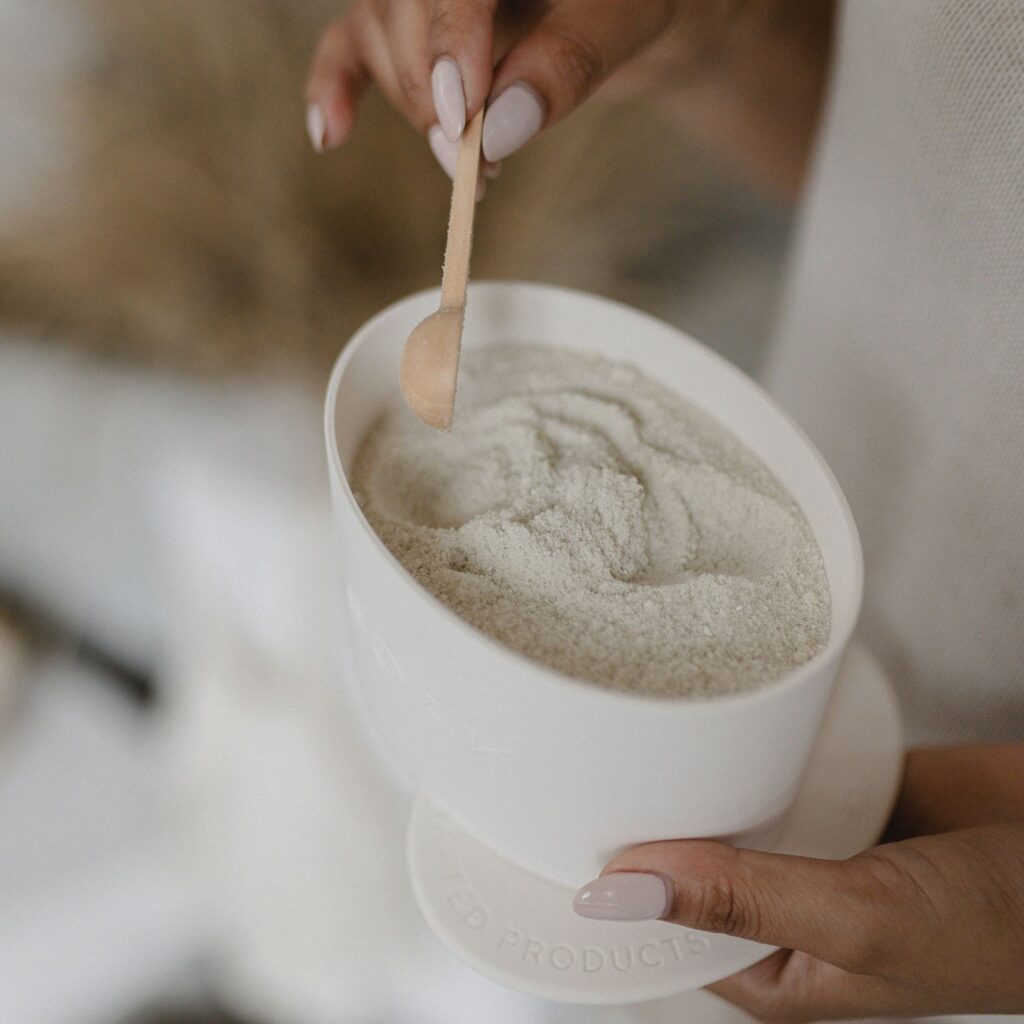
One of Bonnita Lifestyle’s central commitments is its focus on 100% plant-based products. The brand prioritises organic ingredients and naturalness, placing particular importance on avoiding synthetic or potentially harmful ingredients.
This emphasis gives customers a clear understanding of the values informing product creation. For consumers who pay attention to what they bring into their homes, ingredient choices can be an important consideration alongside fragrance, appearance and functionality.
The approach also demonstrates the value of having a recognisable product philosophy. Businesses operating in the lifestyle sector can face the challenge of communicating what makes their offerings different. Bonnita Lifestyle addresses this through its stated commitment to plant-based ingredients and environmentally friendly practices.
For aspiring entrepreneurs, the lesson is to make product principles specific and understandable. Broad claims about quality or wellbeing can be difficult for customers to distinguish from competing messages. A clearly communicated ingredient policy gives a brand a more tangible point of difference.
Local artisans give the collection its identity
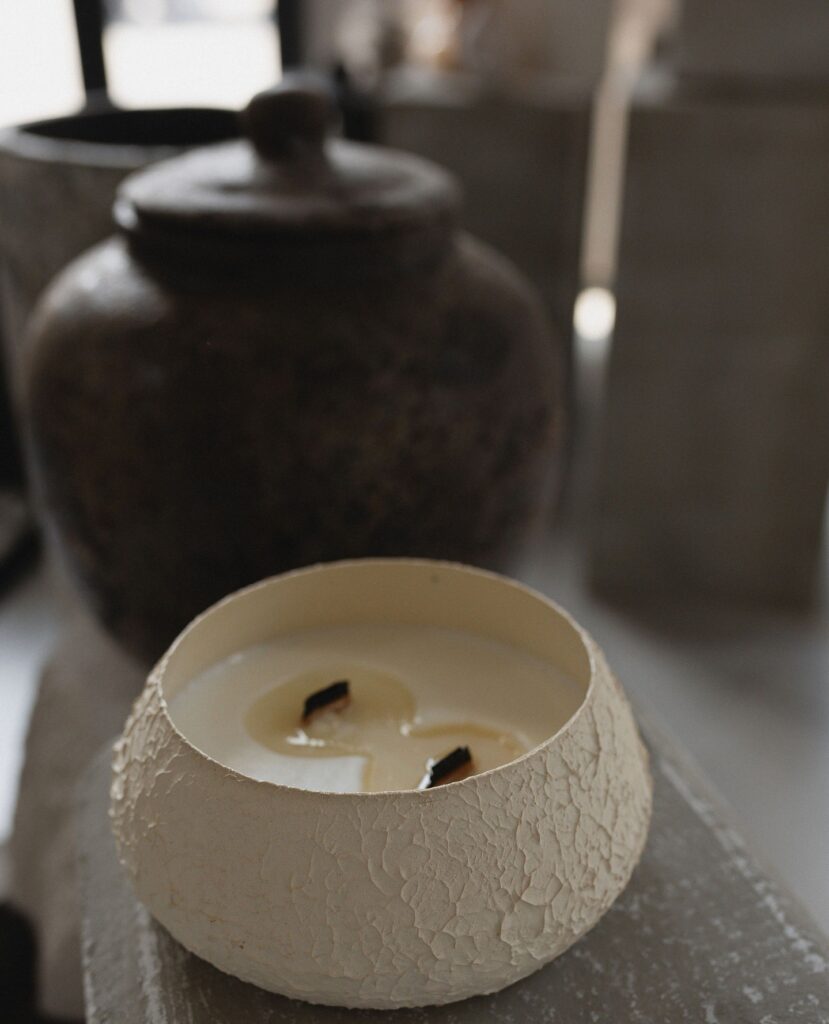
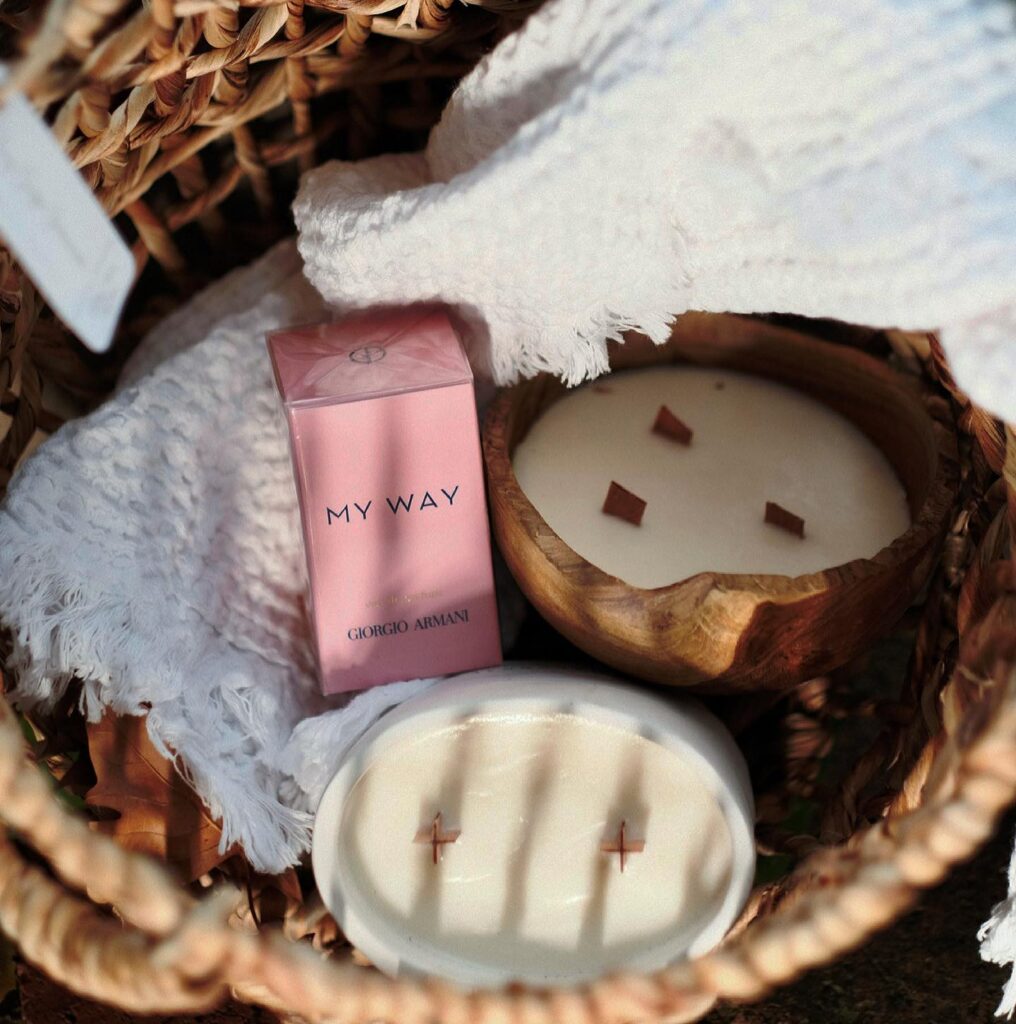
Bonnita Lifestyle’s focus on locally made products is another important part of its positioning. The brand describes its collection as handmade in the heart of Africa, with production drawing on traditional pottery techniques, wood turning methods and moulding craftsmanship.
These skills influence the vessels and other elements used across the collection. The brand also highlights the process of hand-filling each product into individually perfected vessels, emphasising the care and attention involved in its production.
This approach places craftsmanship alongside product design. Instead of treating packaging as an afterthought, Bonnita Lifestyle incorporates the work of interior designers and expert artisans into the way its products are presented.
For a lifestyle business, this creates an opportunity to make the product itself part of the brand story. The materials, manufacturing techniques and people involved in production can all communicate values that customers may consider when deciding what to buy.
It also highlights the importance of recognising the skills already available within local communities. By making use of local artisanal talent, a business can build its offering around distinctive craftsmanship while supporting the people involved in producing it.
Packaging becomes part of the customer experience
In many product categories, packaging is primarily used to protect an item and communicate basic information. Bonnita Lifestyle gives it a more considered role.
The brand’s products are packaged and designed with input from interior designers and expert artisans, with the aim of ensuring that the home looks, smells and feels balanced. Its approach connects visual presentation with the wider atmosphere a product is intended to create.
Mindful packaging also forms part of the brand’s conscious-living philosophy. This is significant because packaging influences how customers encounter a product before they even begin using it.
For entrepreneurs, the practical lesson is to think about packaging as part of the overall offering. It should reflect the product’s identity, serve a purpose and remain consistent with the values a business communicates. In Bonnita Lifestyle’s case, design and environmental consideration are presented as connected priorities.
Conscious consumption extends beyond the product
Bonnita Lifestyle’s philosophy does not stop at plant-based ingredients or handmade vessels. The brand also emphasises ethical sourcing, locally sourced talent and environmentally friendly practices.
Its stated intention is to give back to nature by encouraging a more conscious approach to everyday living. This connects the business to consumers who consider the wider implications of their purchases, including where products are made and the resources involved in creating them.
The approach illustrates an important branding principle: values are more meaningful when they influence practical business decisions. For Bonnita Lifestyle, this is reflected in its focus on natural ingredients, local craftsmanship and mindful packaging.
Entrepreneurs seeking to establish values-led businesses can take a similar lesson from this approach. Rather than relying on environmental messaging alone, they should identify the specific choices through which those commitments are reflected in their products and production processes.
Building a lifestyle brand around a consistent philosophy
Bonnita Lifestyle brings several elements together under one identity: natural ingredients, handmade products, traditional artisanal techniques, considered design and conscious consumption.
Its positioning shows how a lifestyle brand can build a coherent offering by connecting the practical qualities of its products with a broader philosophy. The focus is not simply on creating items for the home, but on presenting them as part of an approach to living that values nature, craftsmanship and wellbeing.
For aspiring entrepreneurs, one of the clearest takeaways is the importance of consistency. A brand’s identity becomes easier to understand when product development, sourcing, packaging and communication all reflect the same principles.
Bonnita Lifestyle’s emphasis on locally made craftsmanship and nature-inspired living provides the foundation for that identity. It demonstrates that a distinctive brand proposition can begin with a clear belief about what products should represent, and then carry that belief through the details of how they are made and presented.