
Hive & Earth: Taking Raw Honey From the Apiary to Global Markets
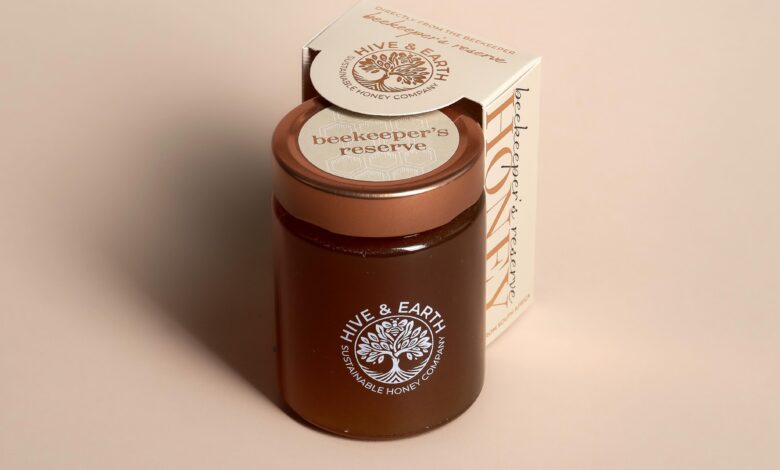
Hive & Earth: Taking Raw Honey From the Apiary to Global Markets. For Hive & Earth, honey is more than a natural sweetener. It is a product shaped by the environment, the plants that bees visit and the health of the agricultural systems that depend on pollination. This understanding sits at the centre of the South African business, which focuses on premium raw honey, ethical beekeeping and environmental sustainability.
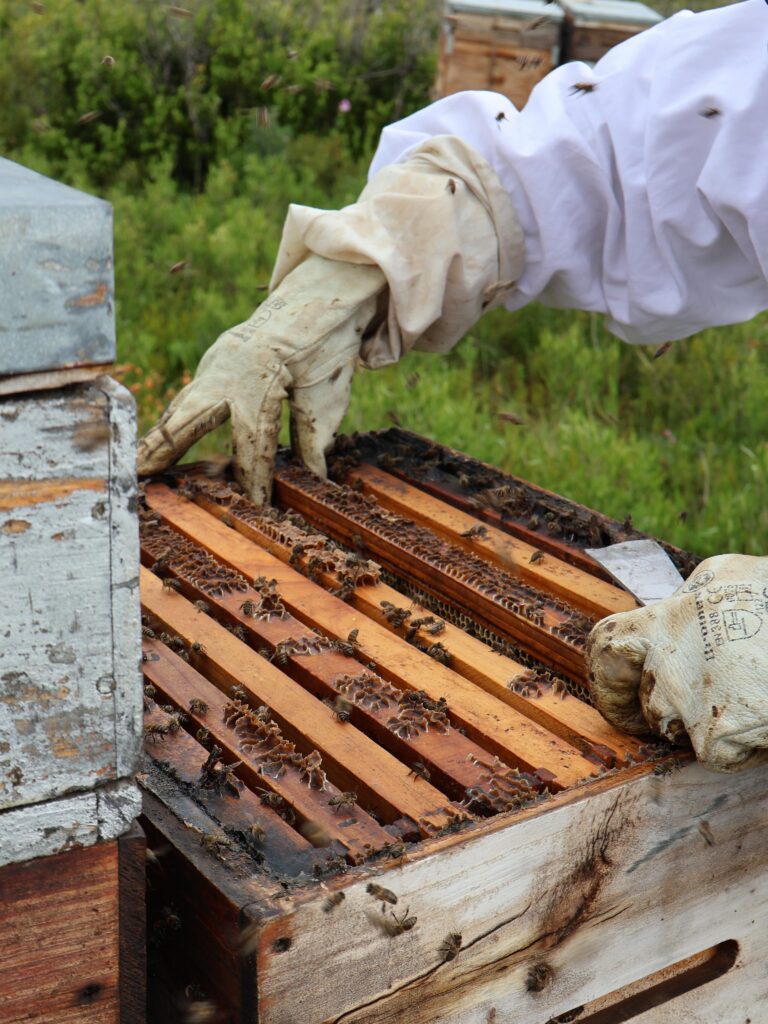
The brand’s approach begins long before a jar reaches a retailer or customer. Its operations are built on the expertise of a master beekeeper with more than 20 years of experience, bringing practical knowledge of apiary management into a business with ambitions across retail, commercial supply and international markets.
This combination of traditional expertise and modern business thinking gives Hive & Earth a clear foundation. Rather than treating honey as a commodity that can be sourced and packaged without much consideration, the business places importance on where it comes from and how it is produced.
For aspiring entrepreneurs, the first lesson is to understand the foundations of the product being sold. In agriculture and food production, quality starts at the source. Knowledge of the raw material, production process and environmental conditions can become a meaningful business advantage.
Why Raw Honey Is Central to the Brand
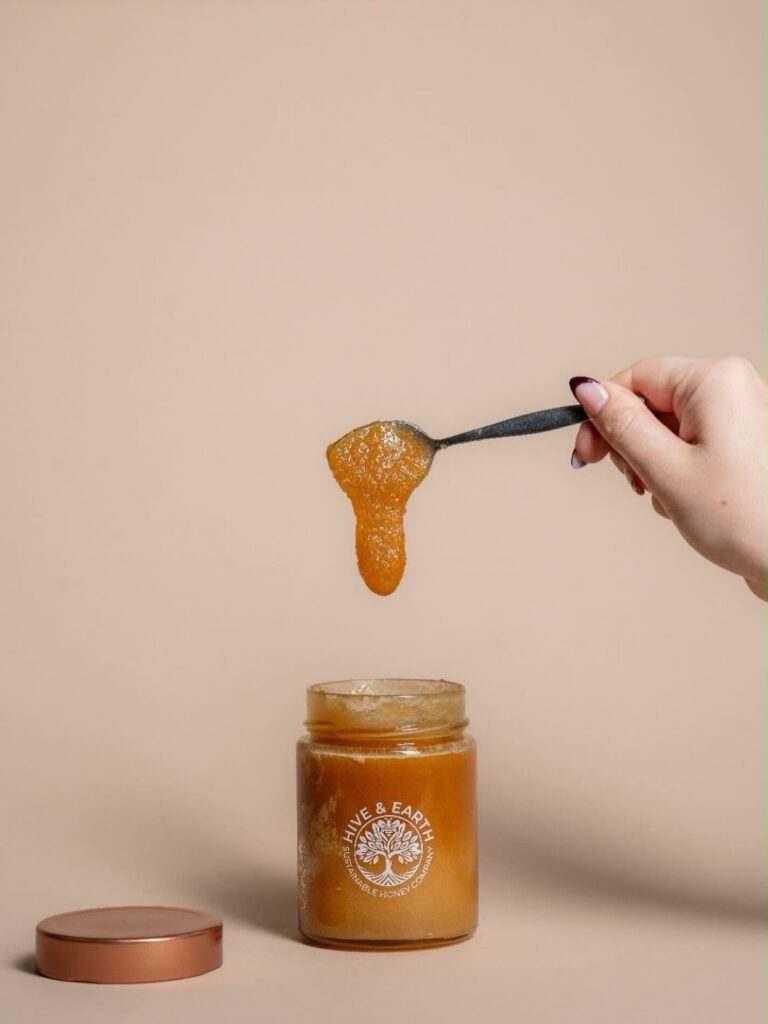
One of Hive & Earth’s defining commitments is its focus on 100% raw South African honey. The business does not pasteurise or over-process its honey, explaining that this approach preserves naturally occurring enzymes and pollens.
This decision gives the brand a clear product position. Its offering is built around the idea that honey should be experienced in its purest form, with processing kept to a minimum.
For customers, this creates a straightforward point of distinction. For retailers and commercial buyers, it provides a product proposition that can be communicated through packaging, product information and sourcing details.
The wider entrepreneurial lesson is that a strong product identity needs to be specific. Simply describing honey as premium would offer little explanation of what makes it different. Hive & Earth connects its positioning to a defined production philosophy: raw honey, responsible hive management and attention to quality.
Businesses in other sectors can apply the same thinking by identifying the decisions that genuinely distinguish their products and explaining those decisions clearly to customers.
Turning South Africa’s Floral Diversity Into Product Variety
South Africa’s diverse floral kingdoms provide an opportunity to explore different honey profiles. Hive & Earth uses this natural variety as part of its product development approach, continuously exploring distinctive raw honey variations that reflect local floral sources.
This creates an opportunity to offer customers more than one standard honey profile. Different floral sources can produce variations in flavour and character, allowing the brand to communicate the relationship between the product and the environment in which it originates.
For a food business, this is a useful example of developing variety from an existing strength. Instead of expanding into unrelated product categories, Hive & Earth is exploring the possibilities already present within its core offering.
The lesson for entrepreneurs is to look closely at the potential within their existing products, resources and expertise. Innovation does not always require moving into a completely new market. Sometimes, it means finding additional value in what the business already understands.
Sustainable Beekeeping as a Business Priority
Hive & Earth’s environmental commitment is closely connected to its respect for honeybees and natural habitats. The business identifies habitat protection, ethical hive management and sustainable honey production as central priorities.
This approach also influences how it thinks about growth. The company highlights sustainable hive management and efficient supply chain logistics as important areas of innovation, with the intention of increasing production without compromising environmental integrity.
That balance is particularly important in a business dependent on natural resources. Increasing output is not simply a matter of selling more products. Production methods and environmental responsibilities need to remain part of the decision-making process.
For aspiring entrepreneurs, the lesson is to consider sustainability as part of the operating model rather than an isolated marketing message. It should influence how resources are managed, how suppliers are selected and how growth is planned.
Hive & Earth’s emphasis on the honeybee also gives its brand story a clear purpose. Protecting natural habitats is connected directly to the quality and future of the product it sells.

Reaching Retailers, Export Markets and Commercial Buyers
Hive & Earth has developed its business offering around several routes to market. It supplies shelf-ready raw honey to retailers, grocers and specialty stores, with packaging designed to stand out while communicating the value of sustainable, locally sourced South African honey.
Its ambitions also extend beyond the domestic market. The business facilitates international honey exports, with attention to agricultural and customs requirements. This creates a route for South African honey to reach customers in markets beyond the country.
A further part of its offering is direct-to-brand and private-label supply. Hive & Earth provides businesses with solutions that include sourcing raw honey and packaging it under their own brands. This allows other companies to enter or develop their honey offering without managing the entire sourcing and packaging process themselves.
These three channels demonstrate an important commercial strategy: one core product can serve different types of customers through different supply arrangements.
For entrepreneurs, the practical lesson is to understand that growth does not always depend on selling directly to individual consumers. Retail supply, exports and business-to-business services can provide additional routes to market, although each requires its own operational capabilities and quality controls.
Innovation Without Losing Sight of Quality
Hive & Earth’s ambition to scale sustainable honey production places operational efficiency alongside product quality. Its focus on supply chain logistics recognises that a business serving retailers, exporters and private-label clients needs dependable systems behind the product.
The challenge is to expand while maintaining the standards that define the brand. For a honey business, this means keeping sourcing, hive management, processing and quality assurance connected as operations develop.
The information provided does not specify production volumes, export destinations, retail partnerships or completed expansion milestones. Its growth story is therefore best understood through its stated market strategy and operating priorities rather than unverified claims about commercial performance.
The Bigger Lesson Behind Hive & Earth
Hive & Earth demonstrates how specialist knowledge, a clearly defined product philosophy and multiple routes to market can work together to shape an agricultural business.
Its approach offers practical lessons for entrepreneurs: build expertise at the source, make product quality part of the brand identity, explore opportunities within existing resources and develop different customer channels around a consistent offering.
Most importantly, growth should not come at the expense of the principles that make a business distinctive. Hive & Earth wants to bring South African raw honey to more customers while maintaining its commitment to ethical beekeeping and environmental responsibility.
At the heart of that ambition is a simple idea: good honey begins with healthy bees, responsible management and respect for the natural environment. By building its business around those foundations, Hive & Earth is positioning South African honey as a product with both local character and international potential.