
Turning Rubber into Reputation: How Mzokhona Maxase and Tshepo Sithole Built Cubic 38 from Scrap Tyres
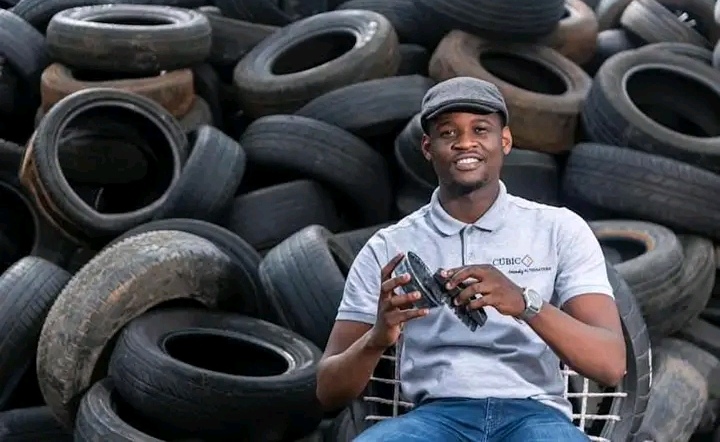
Turning Rubber into Reputation: How Mzokhona Maxase and Tshepo Sithole Built Cubic 38 from Scrap Tyres. In May 2017, two students from Tshwane University of Technology, Mzokhona Maxase and Tshepo Sithole, launched Cubic 38 from a modest garage at Muzinda residence. They were inspired by the staggering piles of scrap tyres around Pretoria West. After visiting a pyrolysis plant, they realized that tyre char, considered worthless by the recycling industry, could form the basis of valuable consumer products. With ingenuity and drive, they began experimenting, ultimately developing wax‑based shoe polish and tyre shine extracted from recycled tyre carbon black.
This was a key turning point: the moment they saw raw waste as raw material and turned environmental challenge into business opportunity.
Anchoring with a Clear Mission
From day one Cubic 38 had a mission to reduce waste tyres and provide eco-friendly alternatives. Their founders named the business after a compressed gas equation, an allusion to green energy’s promise. This clarity of purpose allowed them to create authentic marketing stories and attract early attention during Red Bull’s Amaphiko accelerator, which provided vital mentorship and visibility.
Lesson: A mission rooted in problem-solving creates meaningful differentiation and draws partners who share that vision.
Innovation and Product Development
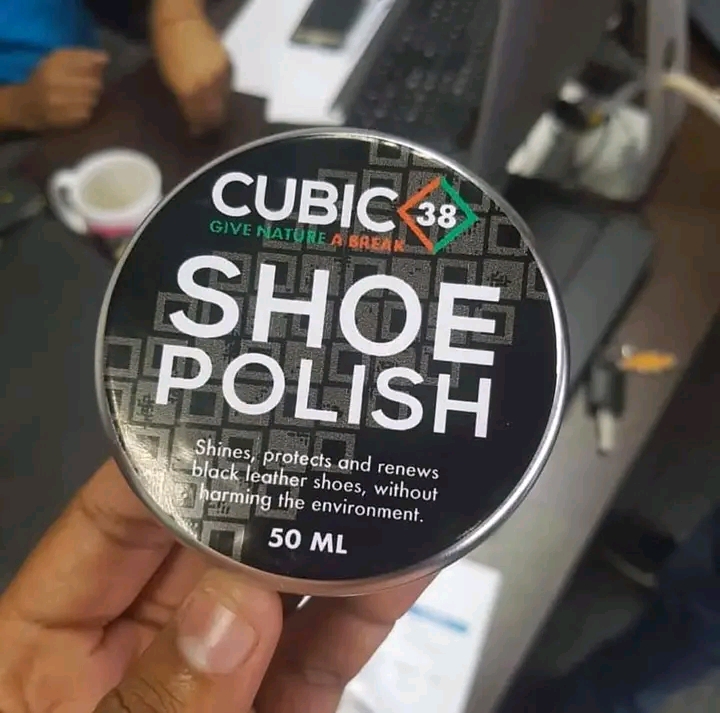
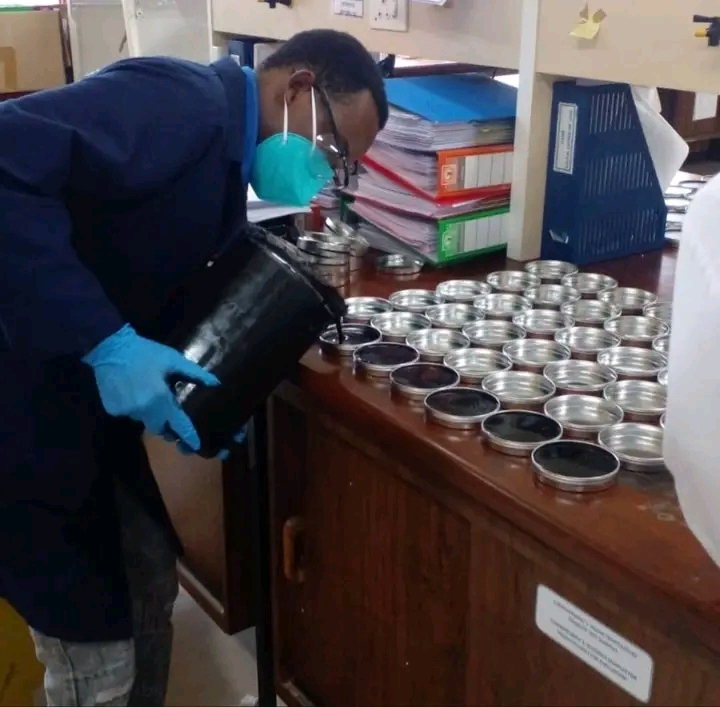
They invested time mastering pyrolysis science and refining formulas. Their shoe polish offered leather shine, water protection, and a pleasant scent while being easy to clean off hands. Their tyre shine promised high gloss without dust attraction or staining rims. In lab tests done by Nelson Mandela University’s Chemical Engineering department, these products proved effective and safe.
By focusing on quality and usability, they turned unconventional ingredients into consumer-grade products.
Lesson: Recycling ideas are revolutionary, but they need refinement and lab validation to build trust.
Overcoming Knowledge Gaps and Scaling
Neither founder came from a chemistry or environmental background. They learned on the job, visiting recycling plants, sourcing expert help, and tuning formulas through trial and error. They balanced study, development, and part-time jobs to fund the venture before product sales could sustain them.
Lesson: Lack of expertise is not a barrier, self‑education, mentorship, and hands‑on learning can fill gaps.

Marketing Soil to Shelf Presence
Early traction came through consumer feedback on Twitter and regional media coverage. Johnny Fortune, a pilot, posted positive reviews after using their polish and shine. Press features from BizCommunity, News24, Mail & Guardian, and Red Bull Amaphiko added credibility. They launched an e‑commerce site that enabled nationwide South African delivery.
Lesson: Early wins from real customers and earned media create word‑of‑mouth momentum that budgets alone cannot buy.
Strategic Strengths: Circular Economy and Local Impact
Cubic 38’s strengths lie in its underlying purpose. They create value from a material that causes landfill strain, health hazards, and ecosystem pollution. With only about 6% of tyres recycled responsibly in South Africa, they tapped into a massive waste‑to‑value opportunity.
They also engaged local communities by planning future operations that include hiring youth for tyre collection and processing.
Lesson: Positioning your brand within a circular economy narrative adds strong environmental and social appeal.
Challenges and Resilience
Scaling a waste‑derived product has its hurdles. Supply was inconsistent, labelling required scientific data, and customer education was needed. Funding and access to lab facilities were limited. But the founders tackled each challenge bit by bit, tapping into accelerator programs and reinvesting revenue into infrastructure .
Lesson: Persistence and smart resource allocation let small teams push beyond their limits.
Expanding Product Lines and Infrastructure
By late 2019 they had run multiple production batches and earned repeat purchases. They aimed to establish a full-time production facility and expand their workforce to meet rising demand.
They also laid the groundwork for future innovation, potential tyre-derived inks, greases, or composite materials. The brand name itself spoke to their broader ambition: Cubic 38, nodding to compressed gas and future clean energy ideas.
Lesson: Leverage early success to partner, prototype, and expand beyond core products.

Real-World Advice for Entrepreneurs
- Start with what’s around you. Waste hides opportunities, look at local issues with fresh eyes.
- Learn relentlessly. Even if your background isn’t technical, learn enough to produce safe products.
- Seek mentors and accelerators. Seed support and structured programs can multiply growth.
- Validate with real users. Honest feedback builds credibility and guides iterations.
- Tell your story well. Environmental and social purpose resonate with customers and media.
- Plan scale from day one. Structure your brand for growth, both financially and operationally.
Driving Growth with Purpose
Today Cubic 38 stands among South Africa’s emerging eco‑brands. Their eco‑friendly shoe polish and tyre shine are sold online and through e‑commerce, and they continue seeking distribution in car washes, auto shops, and green retail outlets.
Their journey shows how two students turned discarded rubber into a platform for environmental stewardship, local jobs, and consumer change. Mzokhona Maxase and Tshepo Sithole remind us that entrepreneurship starts with observing problems, building prototypes, and scaling with integrity.