Coding Confidence: How Robotics with Neurodiverse Ignites Potential with Lego and Inclusivity
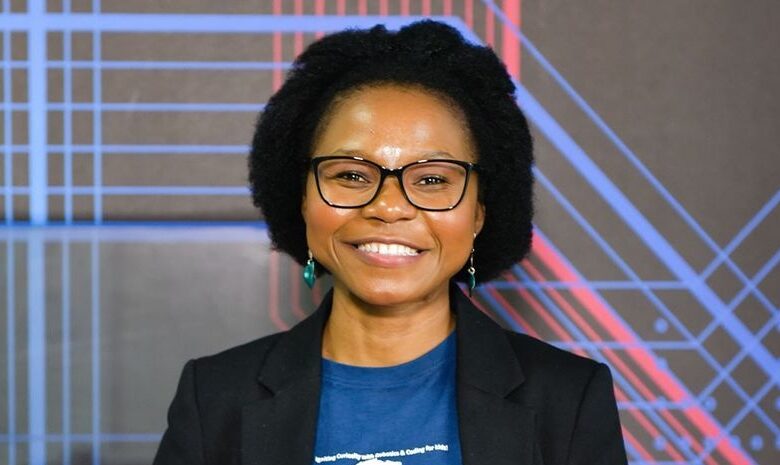
Coding Confidence: How Robotics with Neurodiverse Ignites Potential with Lego and Inclusivity. In classrooms across South Africa, children are often separated by labels, neurotypical, neurodiverse, special education. But for Emma Mphahlele, none of those labels determine a child’s potential. As founder and CEO of Robotics with Neurodiverse, a programme under Kids Innovate Africa, Emma has built something far beyond code and Lego. She has built a bridge, one that connects neurodiverse learners with opportunity, collaboration, and self-belief.
Building More Than Robots
Starting at a time when many underestimated the power of neurodiverse innovation, Emma introduced robotics education using Lego Mindstorms and block coding in a curriculum that recognized different learning styles. Her classrooms became a platform to teach technical skills, yes, but also key workplace readiness qualities like teamwork and conflict resolution. In one memorable moment, a third grader told Emma about the dilemma of balancing team mates with different strengths. By guiding the students to value diverse abilities and work through the situation, Emma demonstrated that soft skills can grow alongside hard skills within robotics learning.
That balance is the essence of her programme: neurodiverse students gain technical skills, but also social confidence.

Scaling with Purpose
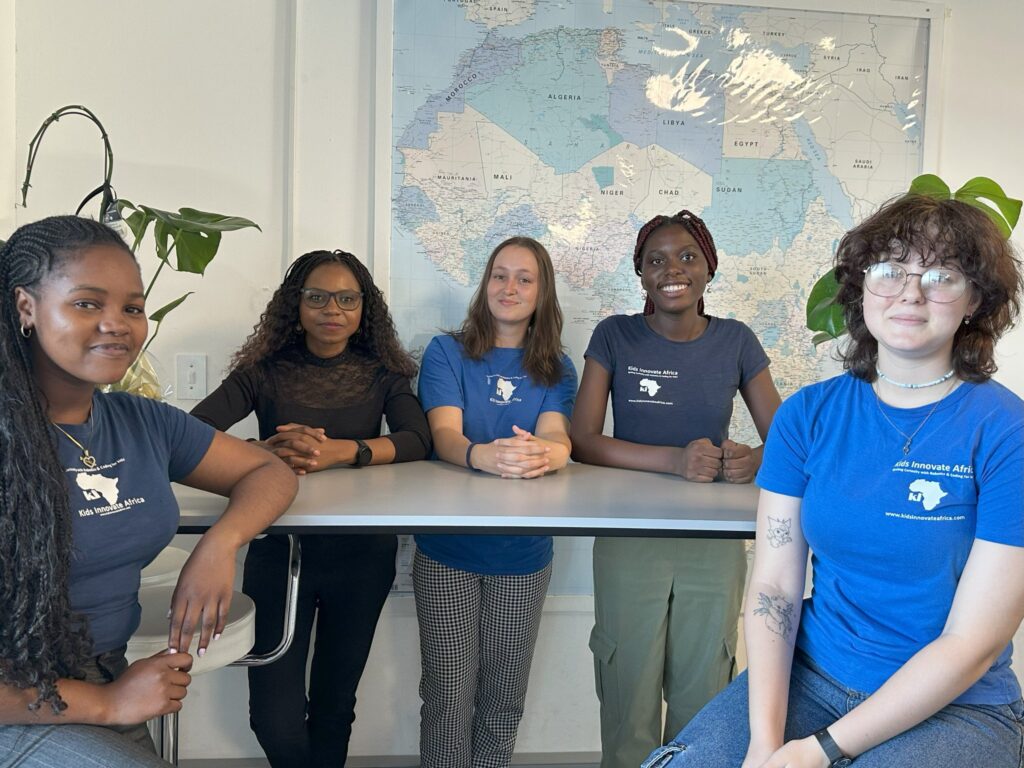
Robotics with Neurodiverse is not just a hands-on programme, it is a model. Through partnerships with African Youth Ignited and the TechWomen alumni network, Emma expanded from one school to many, empowering young minds with coding skills and problem-solving abilities. She also serves as CEO of Kids Innovate Africa, the wider platform supporting this mission. Her leadership earned recognition as a finalist for the South African Department of Science and Innovation’s NSTF Special Annual Theme Award.
Turning Learning into Inclusion
The genius of Emma’s approach lies in inclusion. The curriculum weaves together technical literacy, social emotional learning, and storytelling. Learners are not just coding robots, they are giving form to their ideas, navigating collaboration, and building empathy among peers.
That ethos resonated when Emma spoke at career day at Sea Point High School on the need for women in STEM. She didn’t just represent robotics, she represented possibility.
Lessons from the Journey
| Lesson | Insight |
|---|---|
| Embrace diverse strengths | Neurodiverse learners bring unique brilliance—build systems that see that. |
| Practical empathy empowers | Conflict resolution teaching builds both soft skills and team cohesion. |
| Scale through partnerships | Networks like African Youth Ignited and TechWomen helped amplify impact. |
| Champion visibility | Emma’s public engagement is opening doors for inclusion in STEM. |
| Design for inclusive learning | Tailor curriculum to celebrate different learning modalities. |
A Future That Includes Everyone
Looking ahead, Emma’s vision is both simple and powerful: a world where neurodiverse learners code robotics, collaborate in inclusive teams, and lead with confidence. She is already preparing new educators, exploring deeper partnerships, and expanding the network of inclusive classrooms across South Africa and beyond.
Through her guidance, robotics has become more than a teaching tool. It has become a vessel for belonging, expression, and a new kind of leadership that values all minds and imagines futures where everyone has the power to build.