
From Soweto Kitchens to Store Shelves: The Lessons Behind Ama Shwam Shwam
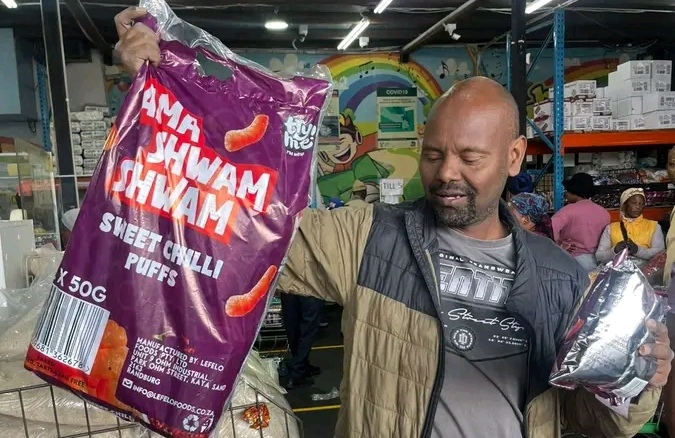
From Soweto Kitchens to Store Shelves: The Lessons Behind Ama Shwam Shwam. In the bustling township of Braamfischerville, Soweto, three young entrepreneurs turned their shared love for food into a fast-moving consumer goods brand that is beginning to carve its own path in the South African snack market. Ama Shwam Shwam, the brainchild of Lesedi Tshabalala, Mbongeni Fakude, and Tsholofelo Mongwenyane, is more than just a corn puff snack. It is a story of resilience, learning through trial and error, and building opportunities from the ground up.
From Atchar to Ama Shwam Shwam
The journey did not begin with puffs. The trio initially ventured into the food business by producing atchar, experimenting with bold flavours like lemon lime zest, sweet chilli, and tomato. While their product was well received in the community, they soon realized that breaking into the broader atchar market was not as simple as they hoped. Large competitors and established distribution channels left little room for newcomers.
This first setback could have easily ended their entrepreneurial journey. Instead, it became their turning point. By acknowledging the barriers and choosing to pivot, they demonstrated a valuable lesson for any entrepreneur: sometimes, the best path forward is to reimagine your idea rather than abandon your dream.
Creating Something Familiar Yet Different
With the birth of Ama Shwam Shwam in 2022 under their company Lefelo Foods, the founders focused on a product they all knew and loved: corn puffs. These extruded snacks, made with corn meal, are staples in many South African households. Yet, the trio saw a gap, most of the brands dominating the shelves were not black-owned, and few told a story rooted in township culture.
By grounding their product in familiarity but infusing it with their own identity, they created a brand that resonated strongly with local consumers. Their first batches were made possible with the help of suppliers, and in July of that year, they launched with modest packaging and a soft community rollout. The response was overwhelmingly positive, proving that starting small and testing with your immediate market can be a powerful strategy.
Overcoming Barriers in a Tough Industry
Despite the excitement, Ama Shwam Shwam’s journey has not been without challenges. Financing has been their greatest hurdle. Unlike industries with low start-up costs, manufacturing food products requires capital for machinery, packaging, compliance, and distribution. With no outside funding, the trio relied solely on personal savings to get the brand off the ground.
Packaging, in particular, was a costly lesson. The process turned out to be more complex than anticipated, reinforcing the importance of understanding supply chains and production logistics before scaling. For aspiring entrepreneurs, this is a reminder that hidden costs can derail your plans, and careful research is essential before committing to large investments.

Building Step by Step
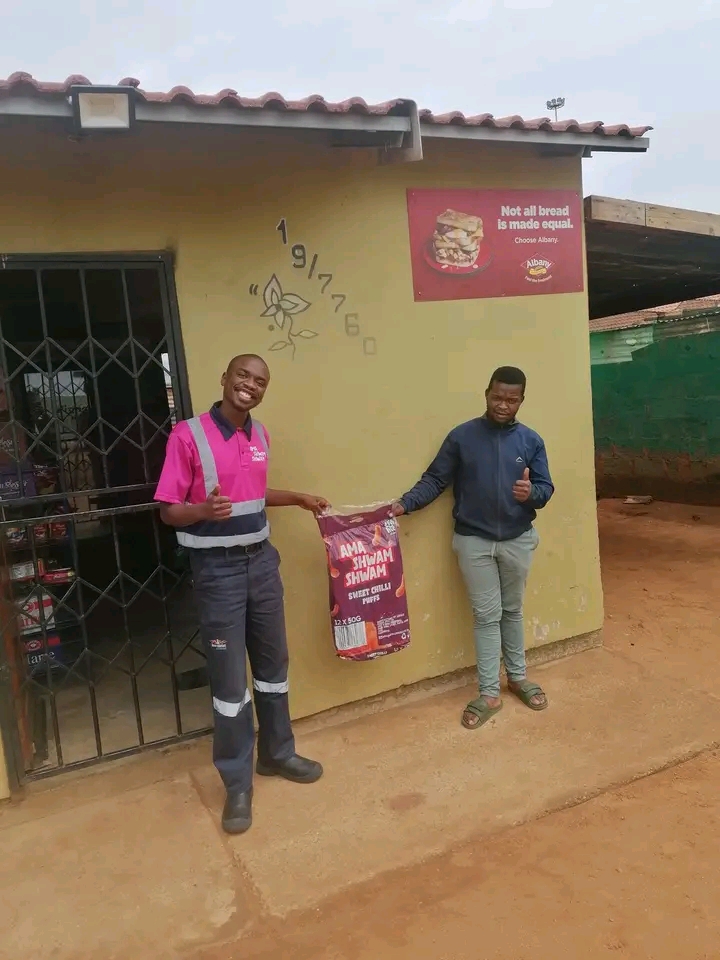
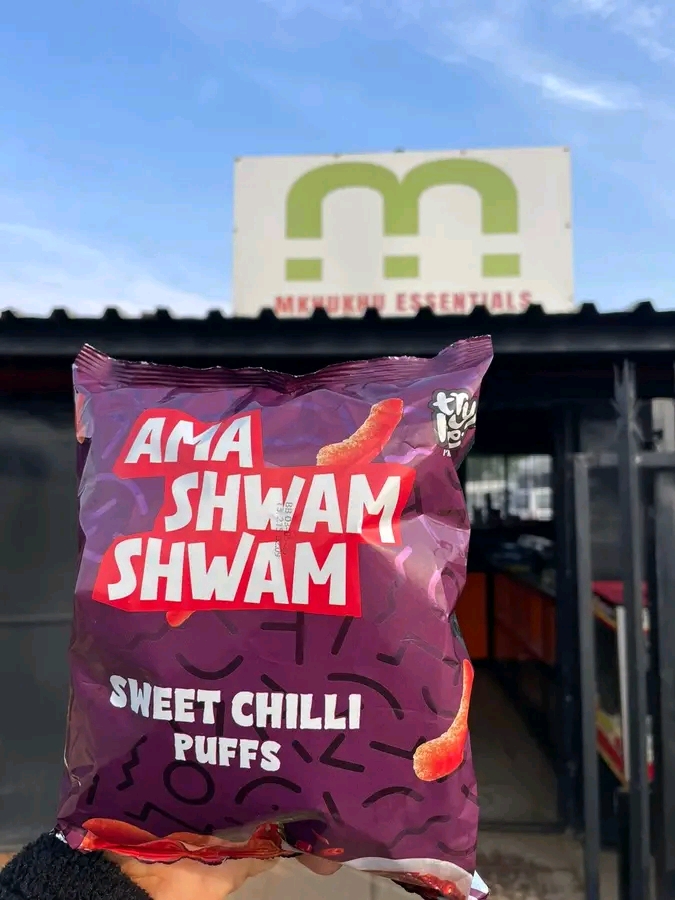
Today, Ama Shwam Shwam is sold through local supermarkets, tuckshops, and individual resellers. While they have not yet penetrated major retail chains, the brand has built a loyal customer base in their community. Part-time staff are employed on a rotational basis, with the goal of creating at least 10 permanent jobs as production increases.
What makes their story particularly inspiring is their ability to stay grounded while thinking big. They have ambitions to one day see Ama Shwam Shwam stocked on shelves across South Africa, but for now, they are focused on strengthening their foundation and growing sustainably.
Lessons for Entrepreneurs
The rise of Ama Shwam Shwam offers several key insights for entrepreneurs:
- Pivot when necessary: The trio’s decision to move from atchar to corn puffs shows the importance of flexibility in business.
- Start local: By launching within their own community, they created a base of loyal customers who became their first marketers.
- Bootstrap wisely: Financing challenges can be daunting, but self-funding forced them to be resourceful and careful with expenses.
- Tell your story: Ama Shwam Shwam is not just about snacks. It represents ownership, cultural pride, and the drive to break into spaces where representation has been scarce.
The Road Ahead
Ama Shwam Shwam is still in its early chapters, but the determination of Tshabalala, Fakude, and Mongwenyane is clear. They are not only creating a snack brand but also rewriting the narrative of who gets to lead in South Africa’s food manufacturing sector.
For entrepreneurs watching their story unfold, Ama Shwam Shwam is proof that big businesses often start with small experiments, tough lessons, and an unwavering belief that tomorrow holds bigger opportunities than today.