From Street Pots to Shelves: How Last Number Mabele Turned Nostalgia into a Thriving Beverage Brand

From Street Pots to Shelves: How Last Number Mabele Turned Nostalgia into a Thriving Beverage Brand. In Vosloorus during the COVID‐19 pandemic Tshepo Sethosa, a comedian and media studies graduate, hit a lull in his entertainment work. He noticed that people passing through Johannesburg CBD had very few affordable breakfast choices, mostly vetkoek or scones. Sethosa saw a gap. He grabbed his pot, stove, and began selling a hot breakfast pap drink (mabele or “pap”) on the streets. In winter, in just 45 minutes, two big pots were sold. This was his first real proof of concept.
Lesson #1: Start where you are, with what you have. An underserved need plus a low‐cost test can validate your idea fast.
Early Growth: From Stove to Formal Product
That street pot experiment wasn’t enough. Sethosa tapped into training via the National Youth Development Agency (NYDA) to understand nutrition, food safety, and business planning. He formalised the product (the pap drink) and adapted it for sale beyond “grab and go”. He invested in production, packaging in PET bottles, and compliance (food safety, audits) so he could enter retail channels.
Lesson #2: Turn authenticity into process. If you want scale, you must master the standards, packaging, and legal/regulatory foundations.
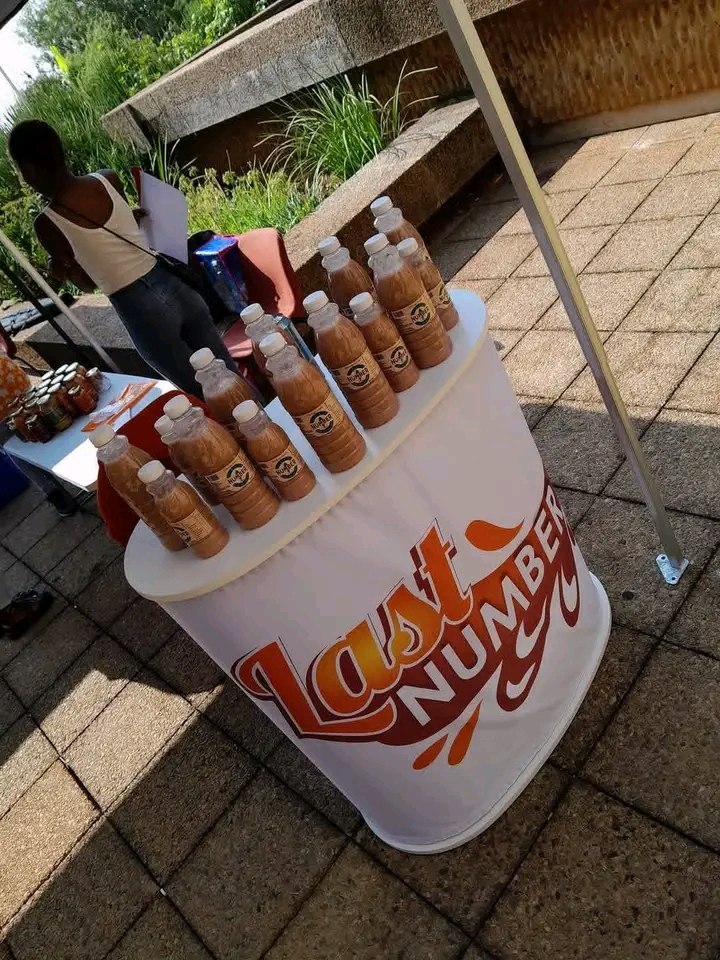
Defining the Brand Identity: Culture, Nostalgia, and Competitive Edge
Sethosa did not just sell pap drink. He sold something deeper. He leaned into nostalgia, “mabele prepared the way our grandparents and mothers used to”. The name Last Number Mabele was chosen partly in playful rivalry with an established brand called Number 1. That competitive positioning gave him both identity and conversation starter.
He used his voice (literally, as a comedian and media personality) to tell the story of Vosloorus, of township heritage, and of his earlier experiences helping his mother sell food door to door from a young age. That background became part of the brand’s narrative.
Lesson #3: A powerful brand is more than product. It’s background, story, identity, and emotion. Don’t hide where you come from, use it.
Reaching Retail: Distribution Strategy & Overcoming Barriers
Once the product was packaged and regulated, Sethosa worked to get the drink into local stores, filling stations, and supermarkets (including brands like Spar). He used both in‐store marketing (shelf‐visibility etc.) and social media awareness. His media background helped him amplify the narrative. He used radio (he hosts on Benoni FM) to motivate youth and promote his product while building trust.
One crucial challenge was customer scepticism. Getting people to buy a traditional product in a new format (packaged pap drink) required proof. Being visible in community spaces, letting people taste it, and slowly building recognition helped. Complying with food safety standards was also non‐negotiable for entering mainstream retail.
Lesson #4: Distribution & visibility matter equally to product quality. Presence in store, compliance, and consumer trust are foundational.
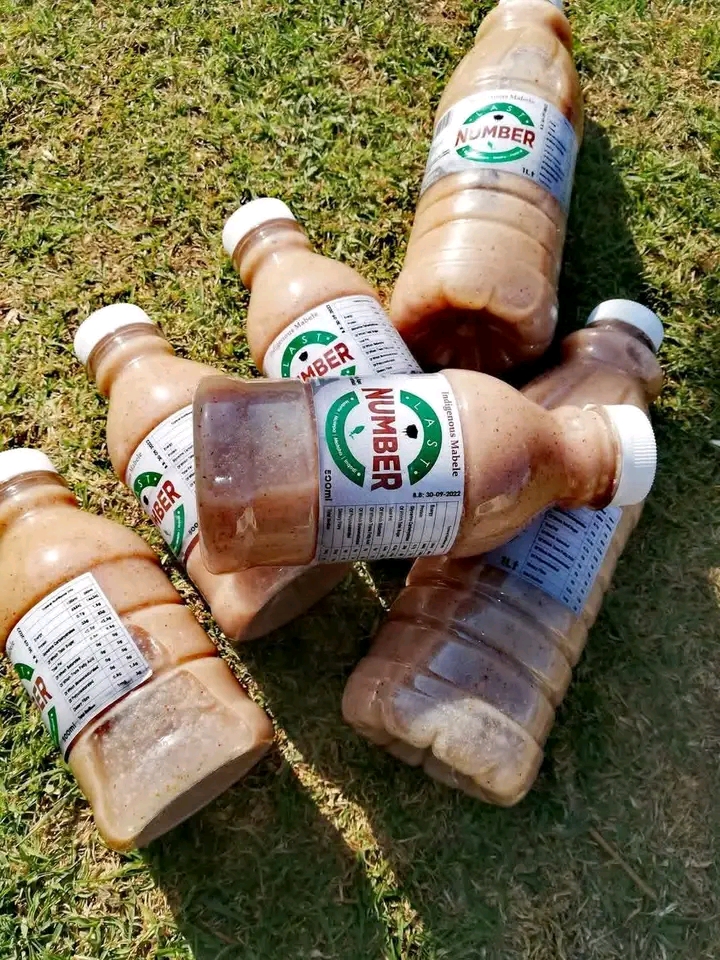
Scaling, Ambition, and Innovation
From the early stage of selling in the CBD and local stores, Sethosa is pushing for more: fortified blends to address malnutrition; expansion into school nutrition programmes; scaling production facilities; registering across Southern Africa.
He also employs a small team (six permanent, several part‐time) and uses his media presence not just to sell but to mentor, uplift, and connect with community. He uses his show on Benoni FM to share lessons, encourage youth, and support small businesses.
Lesson #5: Never stop expanding the vision. Once proof‐of‐concept is strong, think bigger: social impact, new markets, product innovation.
Turning Points: When Strategy Meets Resilience
- Winter and location: Selling in CBD during cold mornings was a turning point. Demand was immediate. That early momentum built confidence.
- NYDA partnership: Access to training, capital, regulatory knowledge enabled him to move from informal to formal business. Without that support, scaling would have been harder.
- Packaging and compliance: Moving into PET bottles and meeting food safety/audit requirements unlocked access to supermarkets and filling stations. That change of format and meeting standards changed his reach.
- Leveraging media & identity: Because Sethosa already had performance, communication, and media skills, he used them. Brand visibility, storytelling, presence in community media helped build trust and identity faster than many purely product‐driven founders.
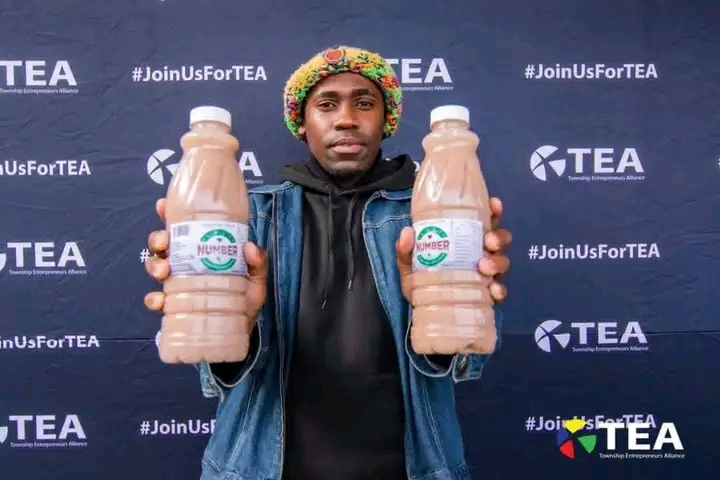
Practical Takeaways for Aspiring Entrepreneurs
- Test before scale: Try selling locally, test product versions, gather feedback before spending heavily on packaging or large production.
- Find partners for capacity building: Organizations like NYDA or local business support networks can supply training, funding, and regulatory help.
- Own your story: Where you come from, your identity, your roots, they can differentiate you in crowded markets.
- Prioritize compliance: Regulations, safety, audits may seem secondary early on but are essential for working with big retailers and scaling.
- Use every platform: Local radio, social media, direct customer interaction, they all help. Visibility builds credibility and then sales.
Conclusion: What It Really Takes
The story of Last Number Mabele is not about overnight success. It’s about seeing a gap, taking a risk, refining the idea, building trust, and scaling with heart. Behind each milestone, selling those first pots of pap, packaging in bottles, getting into Spar shelves, is a lesson in resilience, authenticity, and strategy.
For anyone building a brand: start small, learn fast, keep your identity strong, and don’t be afraid to adapt. That combination can turn even humble beginnings into something that resonates, sells, and grows.