
Retail Giant Pepkor Makes Power Move Into Banking
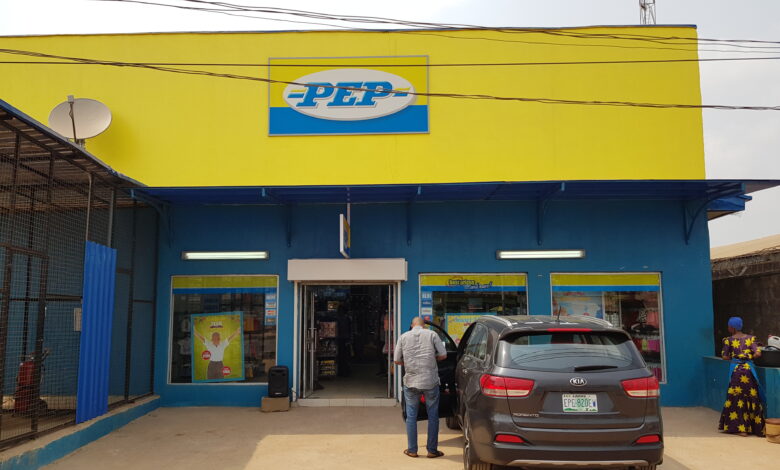
Retail Giant Pepkor Makes Power Move Into Banking. Pepkor Holdings has confirmed that it has secured regulatory approval to establish a banking presence in South Africa, marking one of the most significant strategic shifts by a major retailer in recent years. The approval, granted by the Prudential Authority in November, paves the way for the clothing and household goods giant to expand beyond its traditional retail and financial services offerings and formally enter the country’s highly competitive banking sector.
The move is strengthened by Pepkor’s recent acquisition of Cloudbadger, a fintech software provider whose capabilities are expected to form the backbone of Pepkor’s upcoming digital banking operations. Speaking to investors, Group CEO Pieter Erasmus said the Cloudbadger platform and its technical team are central to the company’s banking ambitions, positioning Pepkor well as it prepares to launch its new offering.
Pepkor plans to reveal full details of its product suite and targeted customer segments in March, a timeline that will be closely watched by industry observers and entrepreneurs who track shifts in South Africa’s evolving retail-finance landscape.
South Africa’s major retailers have increasingly pursued financial service innovations as pressure intensifies within the retail sector. Shoprite has expanded its banking-related services through its Money Market ecosystem, while Pick n Pay continues to deepen its partnership with TymeBank, allowing in-store account services and digital onboarding. Pepkor’s entrance broadens this trend, signalling that retail groups see financial services as a pathway to diversification, customer retention and new recurring revenue streams.
However, the company will be entering a banking environment long dominated by established players including Standard Bank, First National Bank (under FirstRand), Absa, Nedbank and Capitec. These banks have invested heavily in digital infrastructure and customer acquisition, setting a high bar for new entrants. Nevertheless, Pepkor’s extensive footprint through brands such as PEP and Ackermans may offer a unique advantage, particularly among price-sensitive consumers and informal market participants already familiar with the group’s retail ecosystem.
The regulatory milestone comes at a time when Pepkor’s broader financial performance has shown resilience. In its results for the year ending 30 September, the retailer reported a 14.8 percent increase in headline earnings per share (HEPS) from continuing operations, rising from 140.2 cents to 161 cents. Normalised HEPS grew by 23.4 percent over the same period.
Pepkor’s fintech segment posted strong growth of 31.1 percent, reaching 16.6 billion rand. This surge was driven largely by a 61.4 percent increase in financial services and a 13.7 percent rise in Flash, the company’s informal market transaction platform used widely by township and small-business traders.
Overall group revenue climbed 12 percent to 95.3 billion rand. Clothing and general merchandise, the company’s largest portfolio, grew 8.9 percent to 66.9 billion rand, while the furniture, appliances and electronics division increased by 7.2 percent.
For South African entrepreneurs and business leaders, Pepkor’s banking approval underscores an important shift: retail-based financial ecosystems are becoming central to the country’s future economic landscape. The next phase, the unveiling of Pepkor’s banking model in March, may redefine competitive lines across both the retail and financial sectors.