
Thriving Rural Enterprise: The Business Lessons Behind Athi Jack’s Journey

Thriving Rural Enterprise: The Business Lessons Behind Athi Jack’s Journey. Some business stories are loud, filled with headlines and rapid scale. Others grow quietly, rooted in patience, discipline, and everyday decisions that compound over time. Athi Jack’s journey as a farmer from Mdantsane in the Eastern Cape belongs to the second kind. It is a story shaped by consistency rather than hype, showing how small beginnings, when treated seriously, can evolve into life changing outcomes.
Starting With What Was Available
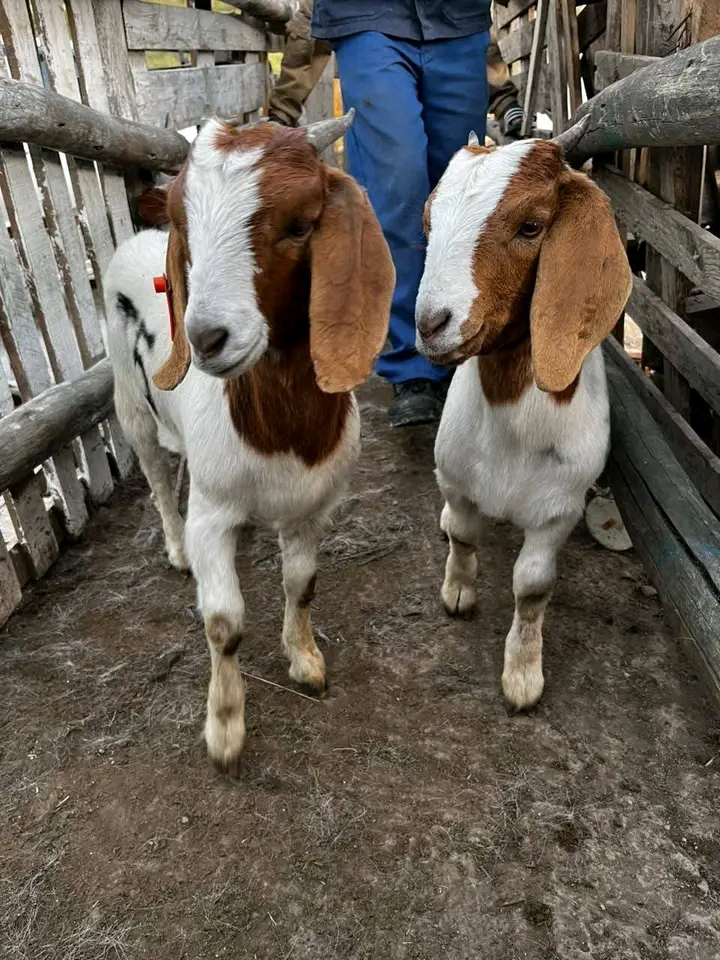
Athi Jack began his farming journey shortly after matric, using savings from his employment to buy just four goats. There was no external funding, no inherited operation, and no shortcut into the agricultural space. What existed was a clear decision to turn savings into productive assets rather than short term consumption.
This moment marks an important entrepreneurial lesson. Many aspiring business owners wait for ideal conditions before starting. Athi Jack did the opposite. He committed early, using limited resources to enter a space he understood and could manage. Starting small did not limit his vision. It allowed him to learn without exposing himself to unsustainable risk.
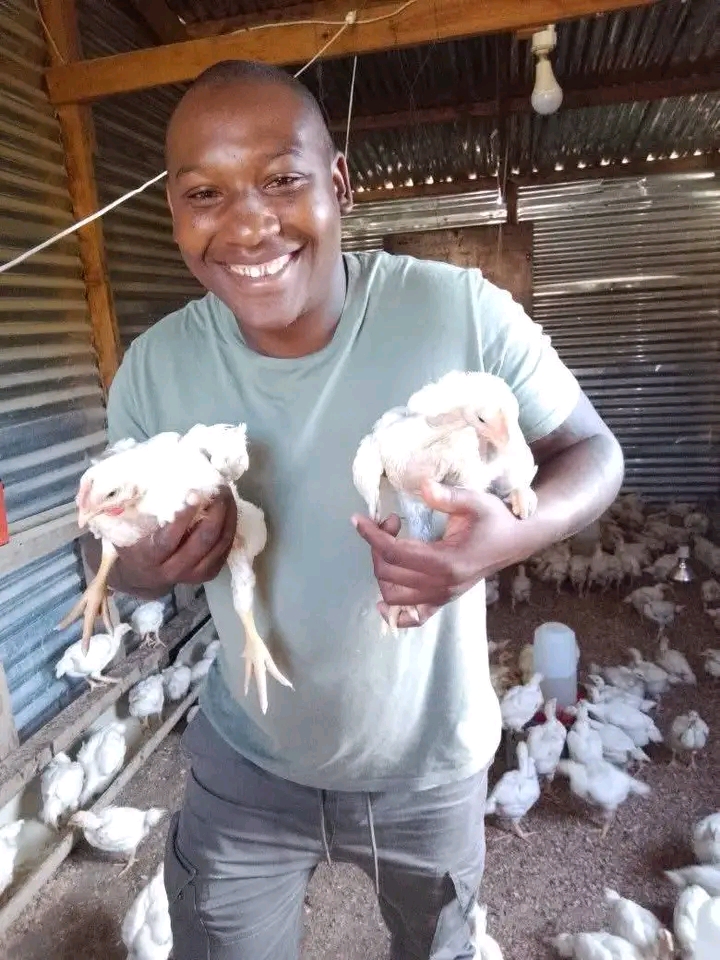
Treating Farming as a Business, Not a Hobby
From the beginning, Athi Jack approached farming with intent. The goats were not kept as a side activity or casual experiment. They formed the foundation of a business mindset where livestock was viewed as an investment that could grow in value over time.
This approach highlights a key strength in his journey. Farming, particularly in rural communities, is often dismissed as informal or unscalable. Athi Jack’s progress shows that when farming is managed with discipline, reinvestment, and patience, it can generate real economic outcomes. The lesson for entrepreneurs is to treat even the smallest operation with professionalism from day one.
Reinvesting Profits for Long Term Growth
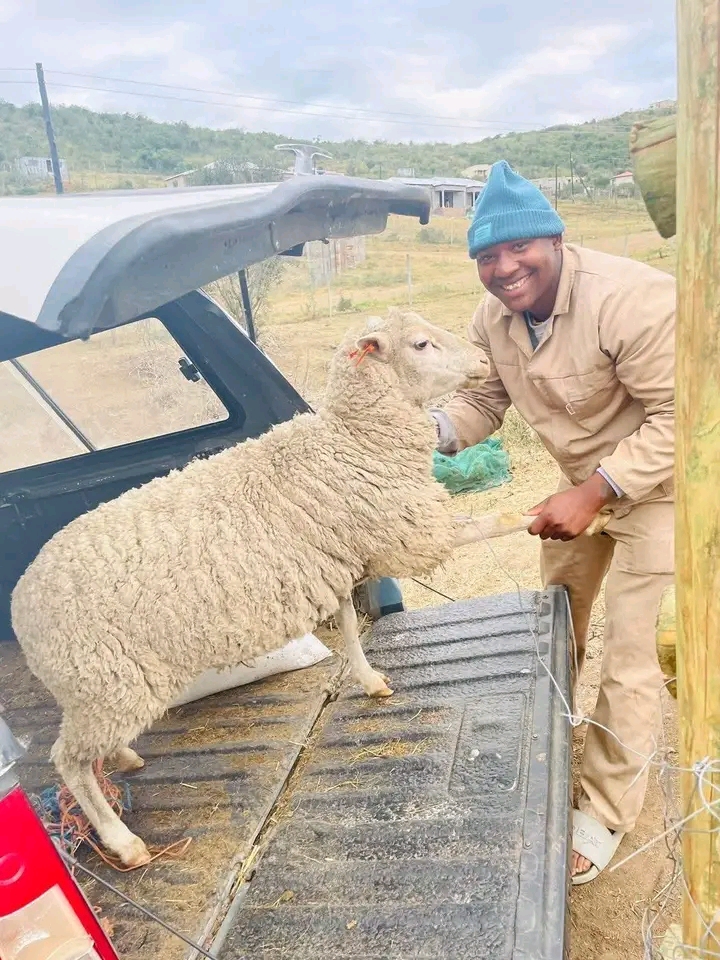
One of the most defining elements of Athi Jack’s journey is what came next. Over the years, profits from his farming business enabled him to build himself a house. He later bought a bakkie and eventually opened a butchery, all funded through the returns generated by his agricultural work.
These milestones did not happen overnight, but they reflect a deliberate strategy of reinvestment. Instead of extracting profits purely for lifestyle upgrades, each step strengthened his capacity to operate and expand. The bakkie, for example, is not just a symbol of success but a practical business asset. The butchery represents vertical expansion, moving closer to the end consumer.
For aspiring entrepreneurs, this reinforces the importance of letting the business pay for its own growth. Reinvestment builds independence and reduces reliance on external debt.
Building Assets That Create Stability
Housing is often seen as a personal milestone, but in Athi Jack’s journey, building a house using business profits also signals stability. It shows how entrepreneurship can move beyond survival and contribute to long term security.
This aspect of his story highlights a broader opportunity within entrepreneurship. Businesses are not only vehicles for income. They can be tools for building generational stability, dignity, and independence. Athi Jack’s ability to translate agricultural profits into tangible assets is a reminder that success does not always mean rapid expansion. Sometimes it means creating a solid foundation.
Opening a Butchery as a Strategic Step
The opening of a butchery marks a significant turning point in Athi Jack’s journey. It represents a move from primary production into processing and retail. By doing so, he positions himself closer to customers and captures more value within the supply chain.
This step demonstrates strategic thinking rather than coincidence. Farming alone exposes producers to price fluctuations and external dependencies. A butchery creates an additional revenue stream and offers more control over how products reach the market. For entrepreneurs, the insight is to look for ways to extend value rather than remaining locked into a single role.
Challenges That Shape Discipline
While specific obstacles are not detailed, Athi Jack’s journey implies years of persistence. Farming requires resilience, especially when started with limited resources. Progress from four goats to multiple business assets suggests careful management, delayed gratification, and consistency.
The lesson here is that not all challenges need to be publicly dramatized to be meaningful. Quiet endurance, especially in rural entrepreneurship, is often the difference between survival and growth.
Lessons Aspiring Entrepreneurs Can Apply
Athi Jack’s journey offers grounded lessons. Start with what you have and where you are. Treat small beginnings with respect. Reinvest profits intentionally. Build assets that strengthen your position. Look for opportunities to expand within your value chain.
Most importantly, his story shows that entrepreneurship does not have to follow urban or tech focused narratives to succeed. Rural businesses, when managed with discipline and vision, can transform lives.